
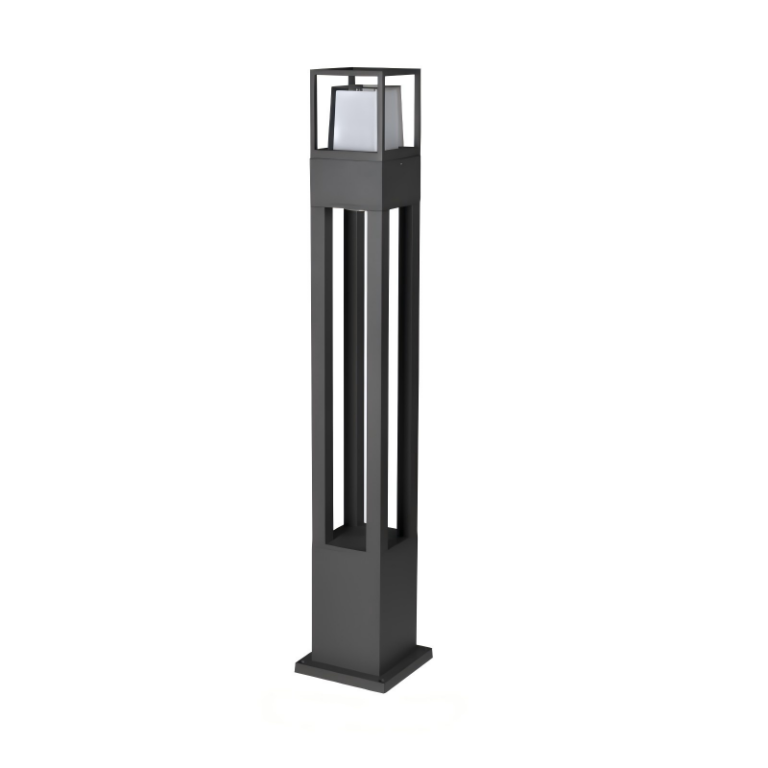
Pulling up: the real problem with cheap outdoor lighting
Listen — you buy a pack of backyard bollards from a big-box joint ’cause they’re cheap, but next rainy season they wobble, flicker, or die off faster than your patience. That’s the problem: low upfront cost, high long-term headaches. If you’re thinking about pathway safety, curb appeal, or cutting energy bills, you gotta weigh more than price. Start here: bollard lights set the scene differently — better optics, sturdier housings, and drivers designed to last, not just pass inspection.
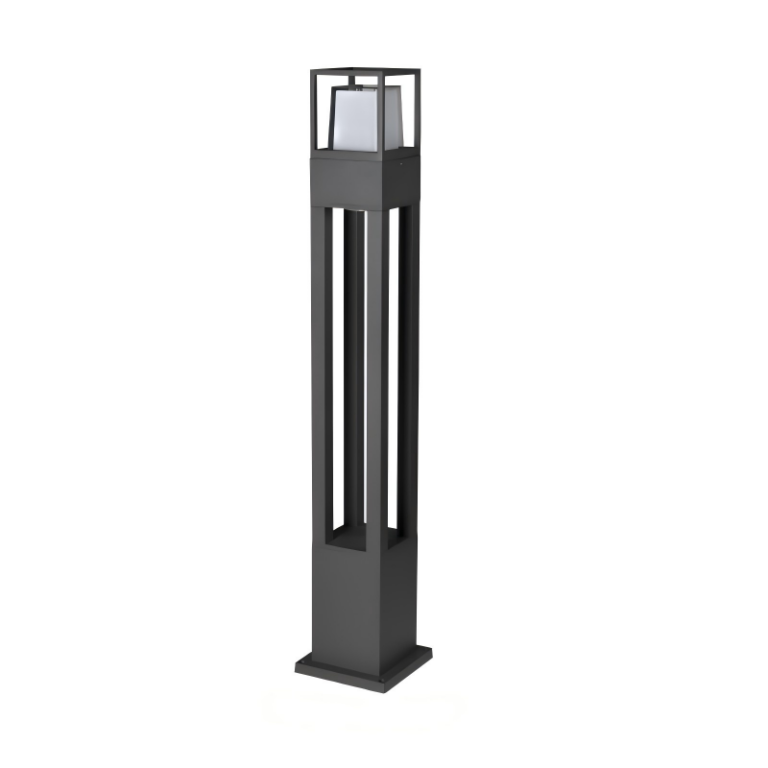
Where big-box stuff trips up
Most mass-market fixtures shortcut on three things: materials, thermal management, and real-world testing. They use thin die-cast or plastic housings that corrode or crack (low IK rating), basic LED modules with poor heat sinking, and generic drivers that fail under voltage swings. Combine that with vague IP ratings and you get moisture ingress on year two. End result: uneven light distribution, buzzing, early lumen depreciation — and more returns than an NYC thrift shop.
How Keyida tackles those problems — product design and build
Keyida engineers bollards to address failure points up front. Think die-cast aluminum with corrosion-resistant finishes, sealed optics to hit reliable IP65/IP66 protection, and thermal paths that keep LED junction temps down so lumen maintenance holds up season after season. They spec drivers and LEDs with matching thermal and electrical tolerances — so you’re not gambling on a discount driver that cooks out. In plain talk: better materials plus smarter thermal design equals longer life and cleaner photometric output (beam control you can count on).
Performance face-off: lumen efficacy, CCT, and CRI
When you compare, check these technical bits: lumen output per watt (efficacy), correlated color temperature (CCT), and color rendering index (CRI). Big-box fixtures often tout high lumen numbers but use cheap optics that spill light and create glare. Keyida focuses on usable lumens and consistent CCT options — warm 2700K to crisp 4000K — plus CRI values that make landscaping and facades look right after dusk. That matters if you’re lighting a path or highlighting a façade; bad CCT or low CRI makes everything look flat.
Installation, maintenance, and real-world durability
Concrete anchors, bolt patterns, and driver access matter. Cheap units hide the driver under the ground or behind glued panels — not ideal when you need a swap-out. Keyida designs for serviceability: easy driver replacement, accessible wiring compartments, and clear mounting instructions so electricians don’t jury-rig the job. I’ve seen better installs on the High Line — fixtures that still look tight after years — and that’s the kind of longevity a lot of projects actually need. —
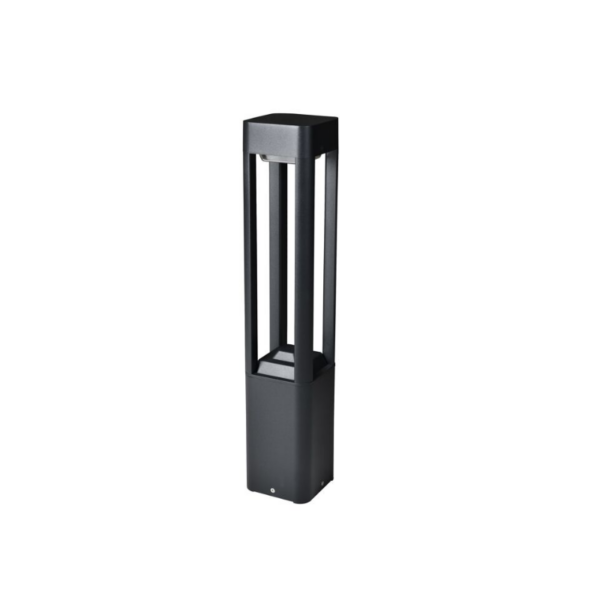
Energy, controls, and lamping flexibility
LED drivers, dimming protocols (0-10V, DALI), and smart controls change the economics. Municipal and commercial buyers lean on controls to cut wattage during low-use hours; cheap bollards often lack consistent dimming or flicker-free drivers. Keyida offers drivers and control-ready options that integrate with lighting control systems — so you get predicted savings that line up with municipal LED retrofit numbers from the U.S. Department of Energy (LED retrofits typically cut lighting energy use roughly 50% in many projects).
Common buyer mistakes — and how to dodge ’em
Buyers often trip over these: assuming IP66 means “no water ever,” ignoring corrosion cycles in coastal zones, and skipping photometric checks. Also, they pick based on looks alone and forget driver specs or lumen maintenance (L70). The fix? Ask for IES files, check IP and IK ratings for your environment, and require driver specs and warranty terms in writing. Don’t be shy — suppliers who resist that are hiding risk.
Quick comparison chart (what to ask)
Before you pull the trigger, get answers to these:
- IP/IK ratings and finish corrosion test results.
- Lumen maintenance (L70 at X hours) and measured efficacy (lm/W).
- Driver specs: dimming type, surge protection, and temperature range.
- Serviceability: can the driver be swapped without digging up the base?
- Photometrics: IES files or layout simulations for uniformity.
Three golden rules for picking outdoor bollard lights
1) Prioritize long-term performance metrics: lumen maintenance and efficacy beat flashy spec sheets. 2) Match IP/IK and finish to site conditions — coastal spots and NYC sidewalks ain’t the same. 3) Require photometric files and serviceable designs so maintenance stays simple and cheap.
When you run these checks, outdoor bollard lights from builders who follow robust spec practices usually come out on top — lower lifetime cost, fewer callbacks, and lighting that actually looks the part. For pros and homeowners alike, Keyida nails the practical stuff.
Measure lifespan, ease of service, and real installed uniformity — those are your primary evaluation metrics. —