
Opening: what you need, voiced plainly
Think of a towel that listens—soft, swaddling, quick to drink the water without tugging at the melody of your strands. You’re picking for texture, for the quietly aggressive goal of less breakage and frizz. If you already sleep in a silk lined beanie, you know the comfort of a gentle surface; the same logic applies to the towel you wrap around your head.

User priorities: what matters first
Ask yourself: damp-dry time, gentleness, fit, and how it behaves with your routine. Shorter drying time reduces heat styling later. A soft face for wet hair reduces friction. A shape that stays on during a post-shower scroll or while you apply product saves annoyance. Decide which of these matters most to you, then compare materials and construction against that single priority.
Materials compared—what each does
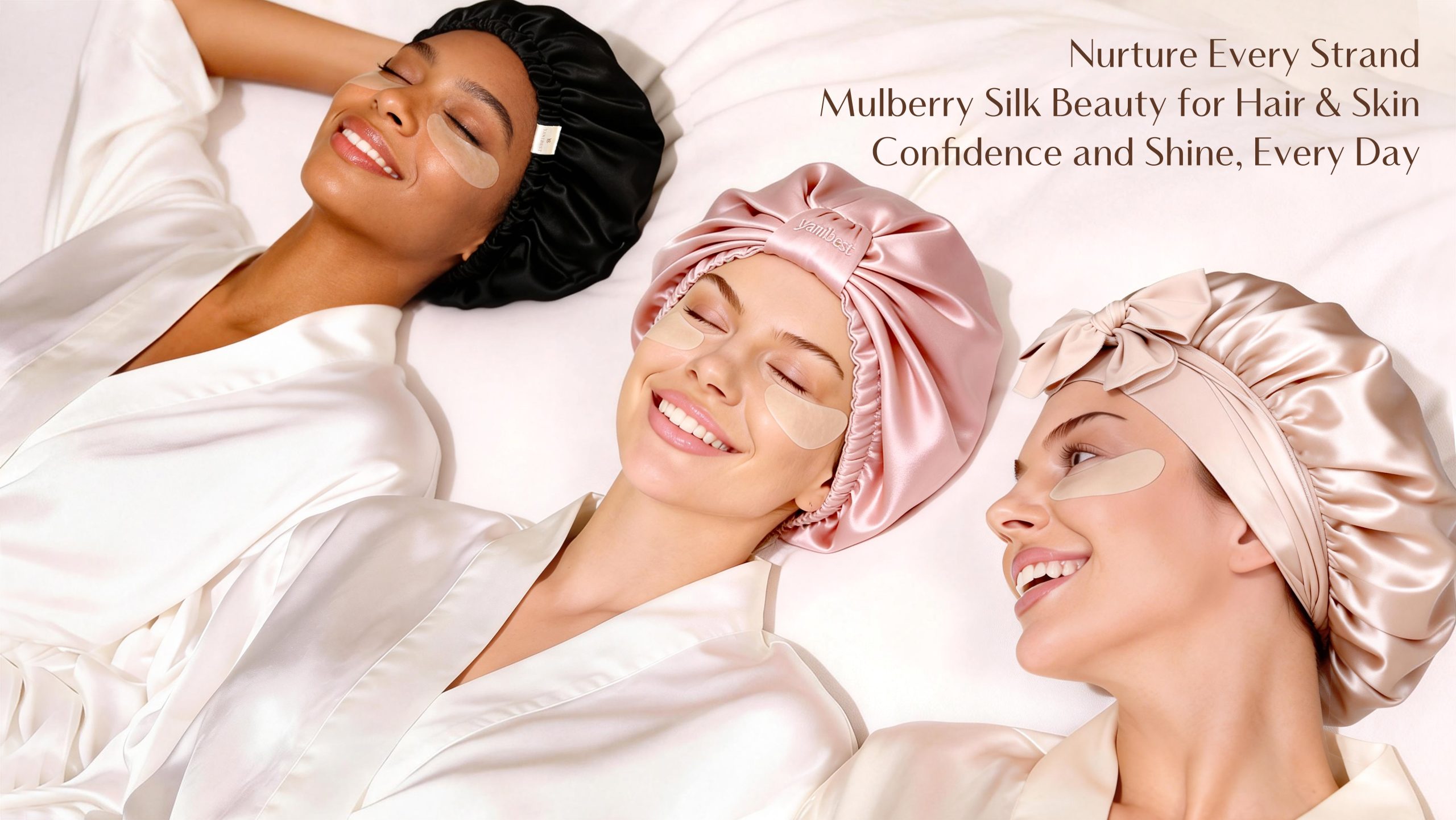
Microfiber: highly absorbent, compact, fast; great if you towel-dry aggressively but pick a low-lint weave to avoid fuzz. Cotton terry: reliable, plush, but heavier and slower, which can mean more rubbing. Bamboo blends: naturally soft with a smooth nap; a good middle ground. And silk or satin linings protect cuticles—I’ve seen the backstage use of beanie silk lined caps at New York Fashion Week; they keep styles intact and hair shiny. Match material to how tender your hair is and how much time you’ll wait for dry.
Construction and fit: the parts that make a towel usable
Look at thickness and weight—dense loops absorb but can be heavy; thin microfibers trap moisture without dragging the head down. Closure systems matter: buttons, loops, or elastic pulls keep the towel in place. Length and shape decide coverage: short wraps can miss long ends. Seams and edge binding tell you durability—flat, well-stitched hems avoid snagging and last longer.
Care, lifespan, and honest maintenance
Heat kills special finishes. Wash with mild detergent, skip fabric softener if you want absorbency retained. Air-dry or tumble low depending on the label. Expect microfiber to shed a little at first; expect terry to soften over time but not necessarily stay compact. Replace when absorbency falls or when the weave starts to pill—cheap towels look cheap fast.
Common mistakes people make
Buying based on color or cheap thickness. Choosing heavy terry for delicate, chemically treated hair. Confusing satin with silk—both feel smooth, but silk is natural and usually pricier. Ignoring size. And thinking one towel fits all routines; it won’t. Make choices that match how you actually dry and style, not how you wish you behaved.
Alternatives you might test
A cotton T-shirt: gentle, cheap, fine for very rough drying without friction. A microfiber wrap: fast and functional for busy mornings. Silk-lined caps or bonnets: perfect for overnight protection and when you want next-day smooth. Try one based on your hair density and schedule; keep options for different uses—one for the gym, one for sleep, one for styling.
Final synthesis
Choose a towel by answering a few direct questions: how quickly do I need hair dry, how fragile are my ends, and will the towel stay put while I move? Compare materials by absorbency and surface friction, check construction for seams and closures, and follow care to keep performance. Practical experience—my hands-on hours in salons and backstage—teaches me that the right choice reduces breakage and makes styling sing. For balanced options and thoughtful design that respects hair through every routine, look to the assortment at yanibest—it fits the logic you just used to decide.