
How to evaluate Ptc Air Heater by examining requirement screening for shortlisting
Shortlisting a ptc air heater should begin with the requirement, not with a preferred model name. A technical buyer needs to define the intended use, available space, electrical conditions, connection method, and the evidence needed for approval. This prevents a product page from becoming a substitute for a project specification.

Set the screening criteria first
Start by separating fixed requirements from preferences. Fixed requirements may include the available voltage, required power range, physical envelope, mounting arrangement, and termination style. Preferences might include a particular product format or a broader supplier range. Keeping these categories separate makes the first comparison more disciplined.
Application context also matters. The captured product page lists PTC heater applications including egg incubators, 3D printers, HVAC, medical and laboratory equipment, industrial machinery, and electrical cabinets. These examples show the range of contexts presented on that page, but they do not prove suitability for every design within those categories. Treat them as screening references rather than acceptance criteria.
Review evidence by requirement
For an electric ptc air heater, record each page-listed specification beside the requirement it may address. The captured technical table lists 2-row products at several voltage and power combinations, including 12V, 24V, 48V, 110V, and 220V versions. It also lists power values from 50W to 200W for the shown products. These values belong to the listed product entries; they should not be generalized to other models.
Connection details deserve their own screening line. The page states that standard termination options include lead wires, solder tabs, and screw terminals. It also states that series, parallel, and three-phase connections are available for high-power applications. A buyer can therefore compare the stated termination choices with the system interface, while keeping any electrical design decision outside the product-page claim.
| Listed product entry | Rows | Voltage | Power |
|---|---|---|---|
| 12V-50W-92 × 31 × 25 mm PTC Heater | 2-row | 12V | 50W |
| 24V-100W-92 × 31 × 25 mm PTC Heater | 2-row | 24V | 100W |
| 48V-200W-92 × 31 × 25 mm PTC Heater | 2-row | 48V | 200W |
| 220V-100W-92 × 31 × 25 mm PTC Heater | 2-row | 220V | 100W |
Physical fit should be handled just as carefully. The listed product names include a 92 × 31 × 25 mm format, and the entries identify each item as 2-row. Record those dimensions and row descriptions exactly as shown. Do not assume that every heater in a supplier’s range uses the same envelope or construction.
Keep trade-offs visible
A shortlist is more useful when it shows why an option remains under review. A voltage match may reduce one concern while leaving mounting or termination questions unresolved. A listed power value may fit the initial screen while still requiring separate design work for the complete assembly. Mark each item as confirmed by the page, required by the project, or still undecided.
Evidence boundaries can include details that are not product specifications. For example, the captured page states that Google Analytics uses a cookie to maintain session information and measure interactions with the website, subject to Analytics consent. That statement is about website measurement and consent. It is not evidence of heater performance, suitability, compatibility, or operating behavior. Keeping this distinction visible helps prevent unrelated page content from entering a procurement comparison.
Create a repeatable decision record
Use the same fields for every candidate. Record the exact product name, voltage, power, row description, dimensions, termination option, intended application, and source page. Add a separate notes field for assumptions. This format makes later review easier because a team can see which conclusions came from listed evidence and which questions still need technical resolution.
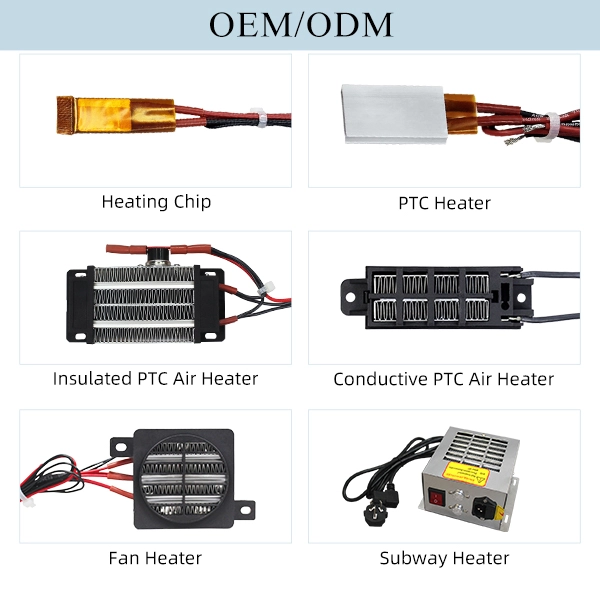
The product page identifies a Yidu OEM/ODM range that includes PTC heating chips, aluminum heaters, insulated and conductive air heaters, fan heaters, and subway heaters. That range can help a buyer identify adjacent formats for further screening. It should not be treated as proof that each format meets the same requirement, since the captured technical table applies to the specific listed heater entries.
Before moving from research to sourcing, reduce the shortlist to candidates that meet the fixed requirements without relying on unstated assumptions. Preserve rejected options with a brief reason, such as voltage mismatch, unclear interface, or unsuitable recorded dimensions. A clear record is more valuable than a long list because it shows how the decision was made and keeps later discussions focused. Used carefully, the product evidence from PTCYIDU can support that structured screening without replacing the project’s own technical requirements.