
Quick comparative snapshot
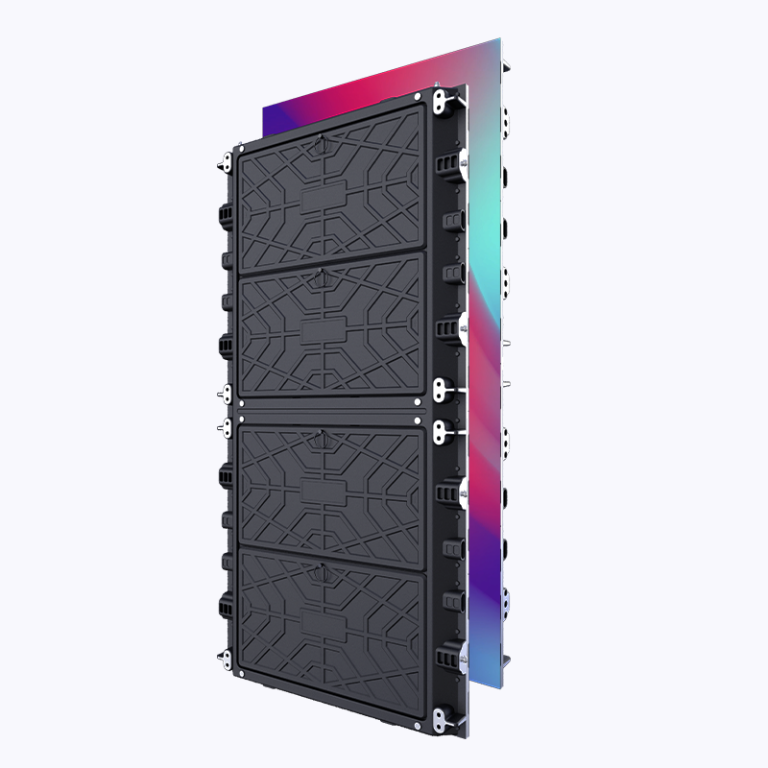
I lay it out plain: indoor LED wall screens and stadium displays ain’t the same animal, and the makers who do each well often fix different problems. Right off, think of whether you need tight pixel pitch for up-close viewing or raw brightness for big venues. If you want a simple example to inspect, check a flexible led display—those panels show how modular design and thinner cabinets can change installation work and viewing angles.
What to compare: specs that matter
Compare practical specs, not buzzwords. Pixel pitch tells you how close viewers can stand. Refresh rate matters for video and camera-friendly output. Brightness in nits decides whether a screen holds up under lights. Look at cabinet build and serviceability—can one person swap a module, or do you need a crew? Also note calibration options; good units let you tune color and uniformity after install. Manufacturers who trade off easy maintenance for marginal cost savings usually cause headaches later.
How the makers differ — a clear walk-through
Some firms focus on custom cabinets and heavy-duty outdoor tech for stadiums; others lean into sleek indoor modules that shrink pixel pitch. The first group bolts on thick frames and weather seals. The second makes LED boards with shallow depth and lower weight. Costs differ, yes, but so does downtime during maintenance. I’ve seen arena crews spend a whole day on a repair that could’ve been ten minutes with modular front-access panels—so think long term, not just sticker price. In an operational production teardown, you want teams comfortable with disassembly, firmware updates, and on-site calibration. That last bit—firmware and calibration—separates box sellers from specialists.
Real-world anchor and deployment notes
Look at Times Square: its digital billboards show how brightness, color stability, and service cycles get tested in public day after day. Big venues borrow that same logic but tune it differently. Indoor retail screens run 800–1,500 nits; stadium screens push higher. For install, factor in mounting load, HVAC impact, and viewing sightlines. If you plan a curved display, confirm the modules were designed for bending—otherwise seams and heat build-up become problems.
Common mistakes and sensible alternatives
People skip warranty details or buy panels with limited local support. They also choose too-fine pixel pitch thinking it’s always better—when the crowd is fifty feet back, that’s wasted cost. Another slip is ignoring refresh rate; broadcast cameras favor higher refresh and you’ll see flicker otherwise. – For alternatives, consider renting modular systems for short events, or pick hybrid setups: fixed indoor screens for constant content plus a few portable led display flexible panels for temporary signage. That balance saves money and keeps content clear.
Operational production teardown: who does what
A proper teardown checks module removal, spare inventory, network control systems, and software updates. In the field, crews should verify pixel shaders, check refresh rate stability under load, and run brightness drift tests. Keep spares for the most common failures—power supplies and single LED driver boards. Training matters: one quick lesson on front service access cuts repair time in half.
Advisory: three golden rules for picking the right setup
1) Match pixel pitch to the closest viewing distance. As a rule, multiply the viewing distance (in meters) by 1,000 and you’ll get a sensible pixel pitch ceiling in millimeters. Keep viewers comfortable; don’t overbuy tight pitch where it won’t show.

2) Choose brightness and refresh rate to fit the use case. For bright indoor atriums go 1,500+ nits; for broadcasted stadiums favor higher refresh rates and stable calibration options. Test with your actual camera gear when live capture matters.
3) Prioritize modular serviceability and clear local support. Count on field swaps, firmware updates, and routine calibration. A supplier who stands by installs and trains crews saves you time and money down the road.
For practical installations and honest kit choices, I point people toward brands that back up those three rules—like the reliable options you find at Coblinks. –