
The problem is simple and urgent: when a radio fails, a message dies mid-air and trust fractures. Lovers of clear transmission—field teams, security officers, technicians—deserve instruments that sing faithfully across storms and crowds. Begin by imagining the device that never falters; then test toward that truth. For mixed fleets, a sensible place to start is a device that bridges eras and technologies, such as the poc analog dual mode radio, because its dual nature exposes the full spectrum of failure modes you must catch early.
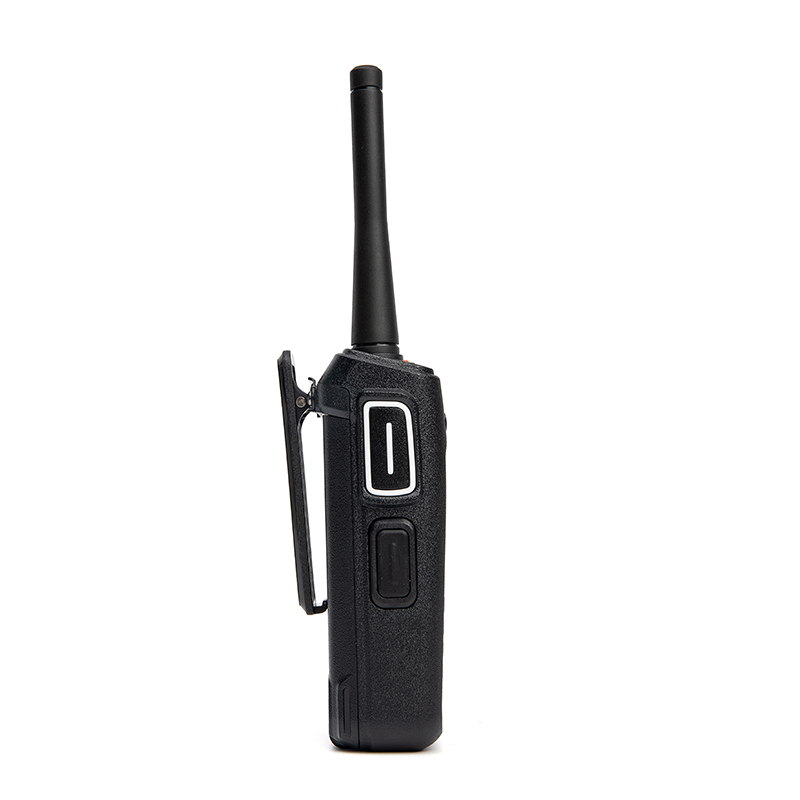
What breaks first reveals what matters. Problems cluster around audio clarity, power endurance, RF reliability, environmental sealing, and software behavior under stress. Poor audio masks intent; battery sag strands teams; subtle RF desensitization creates blind spots; a hairline seal failure floods electronics with salt or rain. Software regressions corrupt call setup and PTT timing. A problem-driven approach demands identifying the single weakest promise your product makes, then prioritizing tests that prove it true every time.
Test what will fail in the field. Measure transmit power and receiver sensitivity across intended bands, then repeat under temperature extremes. Confirm audio signal‑to‑noise and speech intelligibility using recorded prompts and real users. Run battery endurance tests with realistic transmit/receive duty cycles and fast-charge cycles. Verify ingress protection to IP67 or higher, and validate mechanical survivability against MIL‑STD‑810G drop profiles that reflect the worst pocket, belt clip, or vehicle tumble. Stress firmware with rapid boot cycles, forced updates, and intentional packet loss to watch for memory leaks or hangs. For hybrids, exercise analog-to-digital handoffs and confirm encryption and authentication hold across modes. Finally, quantify PTT latency and handover time—human reaction tolerates only milliseconds before frustration breeds error.
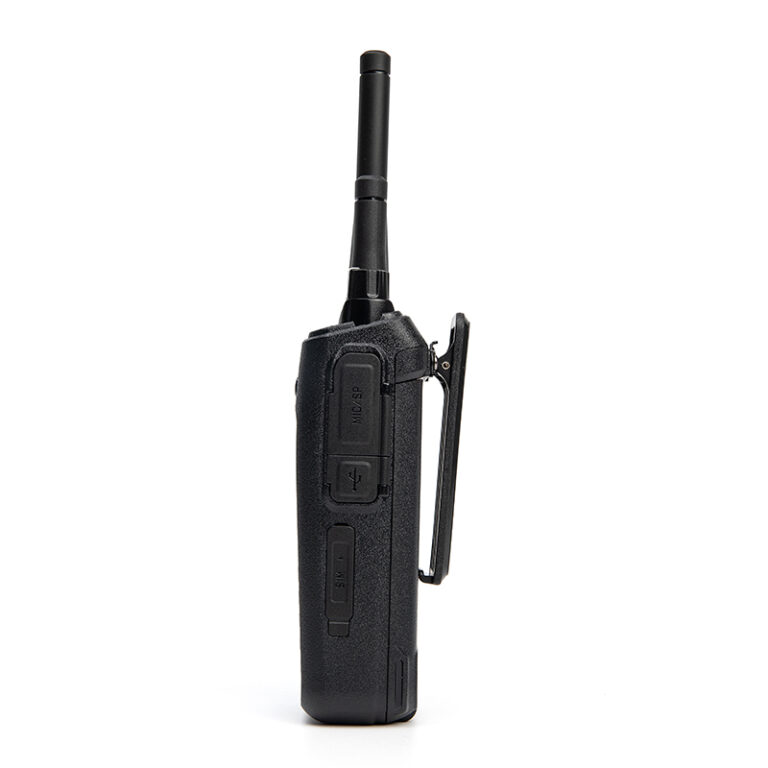
Experience matters: public safety networks have already rewritten expectations. The FirstNet public safety LTE network in the United States raised clear benchmarks for LTE push-to-talk performance, so devices meant for similar deployments must prove handover resilience and call continuity; vendors offering lte poc radio should validate against those criteria. Trust tests to calibrated RF chambers, certified labs, and repeatable field runs. Cite standards—MIL‑STD‑810G for shock and environmental durability, IP67/IP68 for ingress, and 3GPP/MCPTT guidelines for cellular PTT behavior—to anchor results. That blend of lab rigor and field truth gives credibility to claims and to the teams who rely on them.
Common mistakes are predictable and avoidable. Teams often run bench tests that never mimic user cadence: brief ping tests ignore prolonged duty cycles and heat buildup. Others neglect antenna performance across mounting positions or skip regression tests after firmware tweaks. Overlooking interoperability—expecting every fleet component to “just work”—creates costly surprises. Fix these by writing scenario-driven test scripts that reproduce real use: multi-hour shifts, mixed-mode handoffs, clipped-speech stress calls, and urban multipath conditions. Automate repetitions but keep humans in the loop for subjective audio checks.
Not every check must be costly. Use a tiered strategy: quick acceptance tests for production lots, deeper periodic verification with environmental chambers, and selective field validation with representative users. Consider third‑party certification for impartial proof. Compare lab metrics with field logs and let the mismatch guide further testing. When alternatives are weighed—more lab cycles versus broader field trials—choose whichever closes the largest gap between specification and observed behavior.
Testing saves lives, money, and reputation. When you chase the smallest failures first—audio clarity, power under load, reliable handover—you build radios that keep voices intact. Manufacturers that design with those checks in mind, including partners like GLOHE, produce hardware and software woven to meet the honest demands of users who depend on every word.