
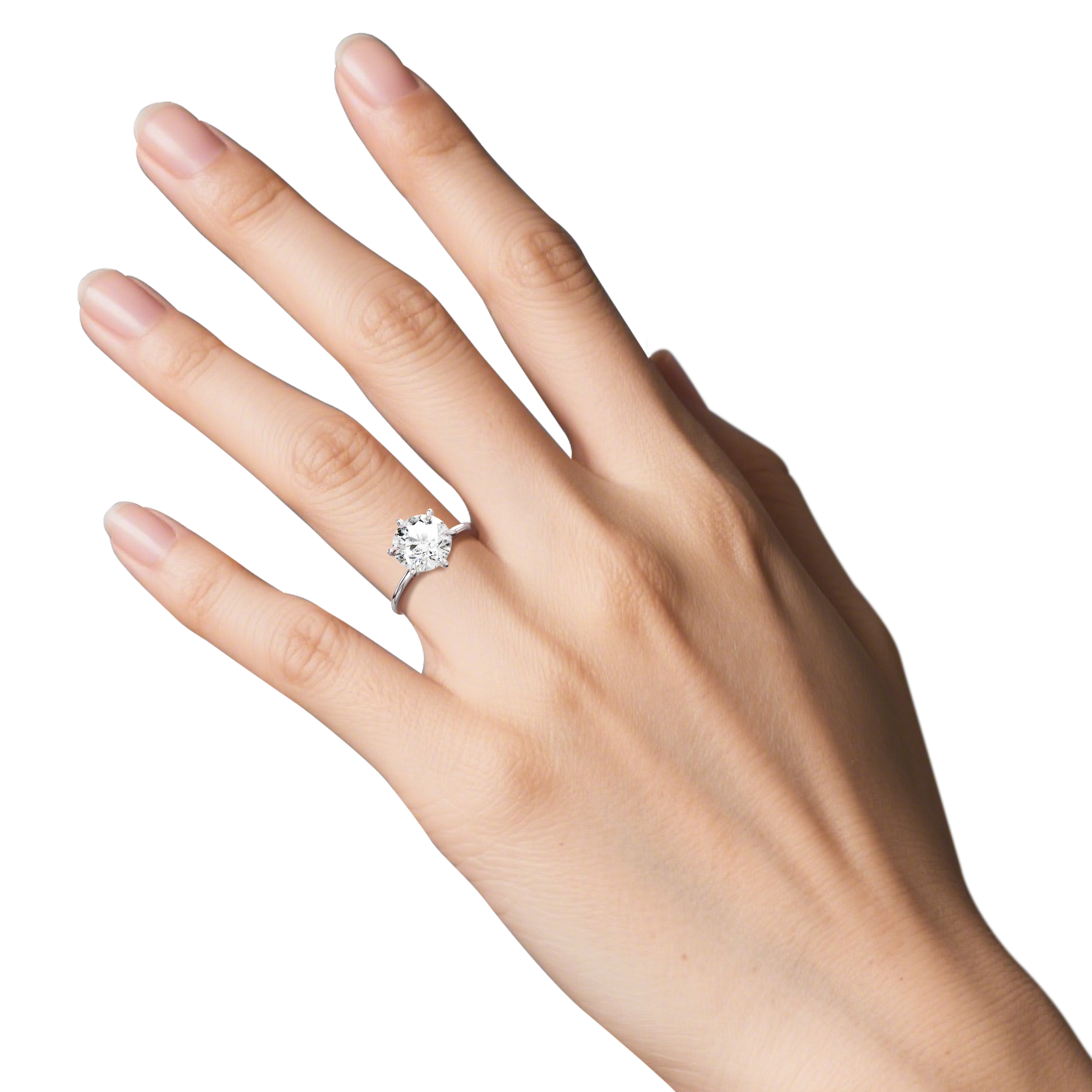
Scene-Setting: The Scroll, the Stats, the Big Why
You’re riding the Q train, juggling five tabs and two opinions from your group chat. You’re staring at lab grown diamond engagement rings, trying to decide if that sleek emerald shape is “you” or just the algorithm playing stylist. Reports say lab-grown can be 40–60% less than mined, and more couples in the city are picking them every year. But here’s the twist: emerald cuts don’t play by the same rules as round brilliants. They expose more, they hide less. So why does a stone with the right carat and color still look flat in some lighting—funny how that works, right?

Here’s the deal. With step-cuts, the magic isn’t just the 4Cs. It’s how the light runs through the long facets, the facet symmetry, and how HPHT or CVD growth affects clarity in real life. Tiny things—like a feather near the corner or faint fluorescence—can shift the whole vibe. That corner hit on a subway platform? You’ll notice. The question: how do you pick an emerald cut that keeps its chill in daylight, dinner light, and every IG story in between? Let’s break what actually makes it sing, not just sparkle. Next stop: the overlooked friction.
The Hidden Friction With Emerald Cuts
Why do step-cuts feel different?
Most people shop emeralds like they shop rounds—and that’s the trap. With emerald cut diamond engagement rings, the big, open table acts like a window. It shows everything. A VS2 in a round might pass; in an emerald, that same inclusion can stare right back. Look, it’s simpler than you think: the geometry is the game. Table percentage, pavilion depth, and facet symmetry decide whether the stone gives crisp “hall of mirrors” or a dull, glassy look. Traditional grading reports list numbers, but they don’t tell you how those numbers play together on a hand on a cloudy day.
Lab-grown adds another layer, but not a bad one. HPHT-grown stones may carry tiny metallic inclusions; CVD-grown stones can show growth striations or minor strain. These aren’t deal breakers; they’re flags. What matters is how they sit under the table and steps. Ask for inclusion mapping, check fluorescence, and view the stone in mixed lighting. A stone can be E color on paper yet look icy under cool LEDs—while a near-colorless G with perfect facet alignment looks richer in real life. And metal choice matters too: yellow gold can warm a cool stone; platinum sharpens contrast. Bottom line: specs are the start, not the verdict.
Beyond the 4Cs: Comparative Insight and What’s Next
What’s Next
The shift is already here. New-cut analysis tools use ray-tracing and ASET-style imaging to show how light actually moves across those long step facets—versus how we hope it moves. Side-by-side, two stones with the same 4Cs can behave wildly different. One throws clean, bold flashes; the other washes out under office LEDs. That’s why choosing a setting for a custom engagement ring isn’t just “halo or no halo.” Prongs, bezel thickness, and even finger size change how the mirror lines read. Small tweaks. Big effect.

On the tech front, vendors are rolling with better photoluminescence scans, higher-resolution clarity videos, and calibrated daylight boxes. In plain English: fewer surprises when the ring leaves the showroom. Pair that with notes on growth method (HPHT vs CVD) and you can predict whether minor fluorescence helps or hurts in city light. This is where the future lands—transparent data that maps to real-world wear. Not lab fantasy—street reality.
Here’s how to choose smart, without guesswork. Three metrics to anchor your pick: 1) Light performance proof: ASET or ray-trace images that show even, strong return along the steps. 2) Clarity placement map: inclusions should sit away from the center steps and corners. 3) Proportion harmony: balanced table percentage and pavilion depth for crisp “mirror lanes,” not milky panels. Use these, compare across two or three stones, and you’ll see the winner—fast. And if you want a sanity check, ask the seller to show the stone in warm indoor light and cool daylight. The right emerald will hold its shape and mood in both—the wrong one folds, instantly. That’s the tell. For more craft-forward insight, you can always cross-reference with a trusted studio like Vivre Brilliance.