
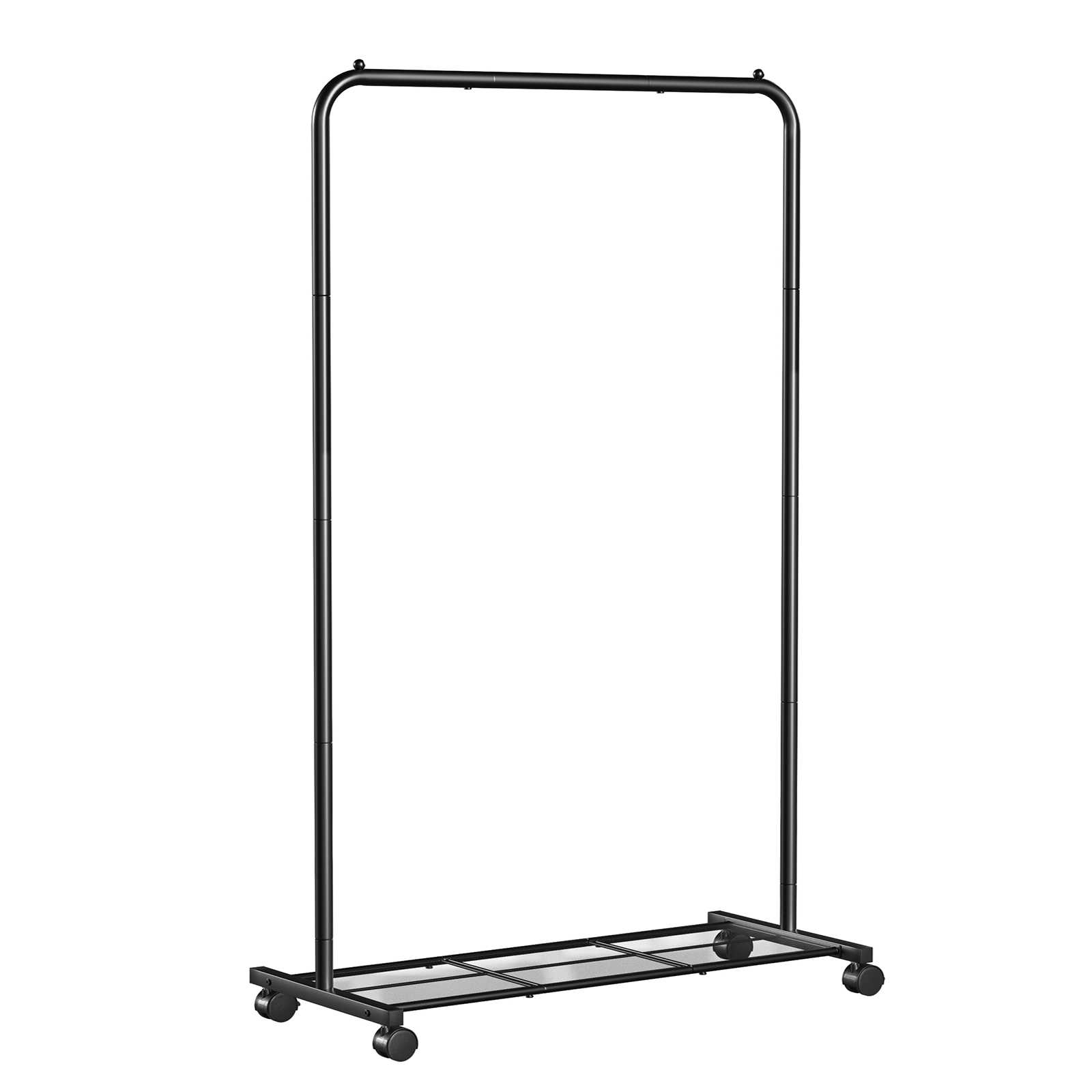
When the Morning Rush Meets Real-World Loads
You’ve seen it: a busy stockroom at 8 a.m., hangers clacking, a rack shimmying as wheels squeak across tiles. A clothes rack manufacturer says the frame will hold, but one wrong turn and it bows like a reed. Industry audits show that returns tied to bent rails and chipped finish can hit double digits in fast-turn retail, and freight claims spike when packaging fails the drop test. So, why do some racks feel sturdy on day one and wobble by week three (especially when promotions load them up)? The answer sits in the small details—metal gauge, weld consistency, caster tolerance—not only in the price tag. Picture the end of a long shift: a rack loaded to “just under” its rating, nudged over a threshold, and the caster stem flexes. It’s not dramatic, but it’s costly.
Now, think about the math. If one rack fails in a set of ten, the team moves slower, and the replacement loop eats margin. That’s avoidable. The trick is learning what to compare, not just which unit looks nice. We’ll break down where typical designs fall short and how to read the specs without guessing—funny how that works, right? Let’s move to the parts that matter most in your choice.
Under the Finish: The Hidden Gaps You Don’t See
Why do traditional racks fail?
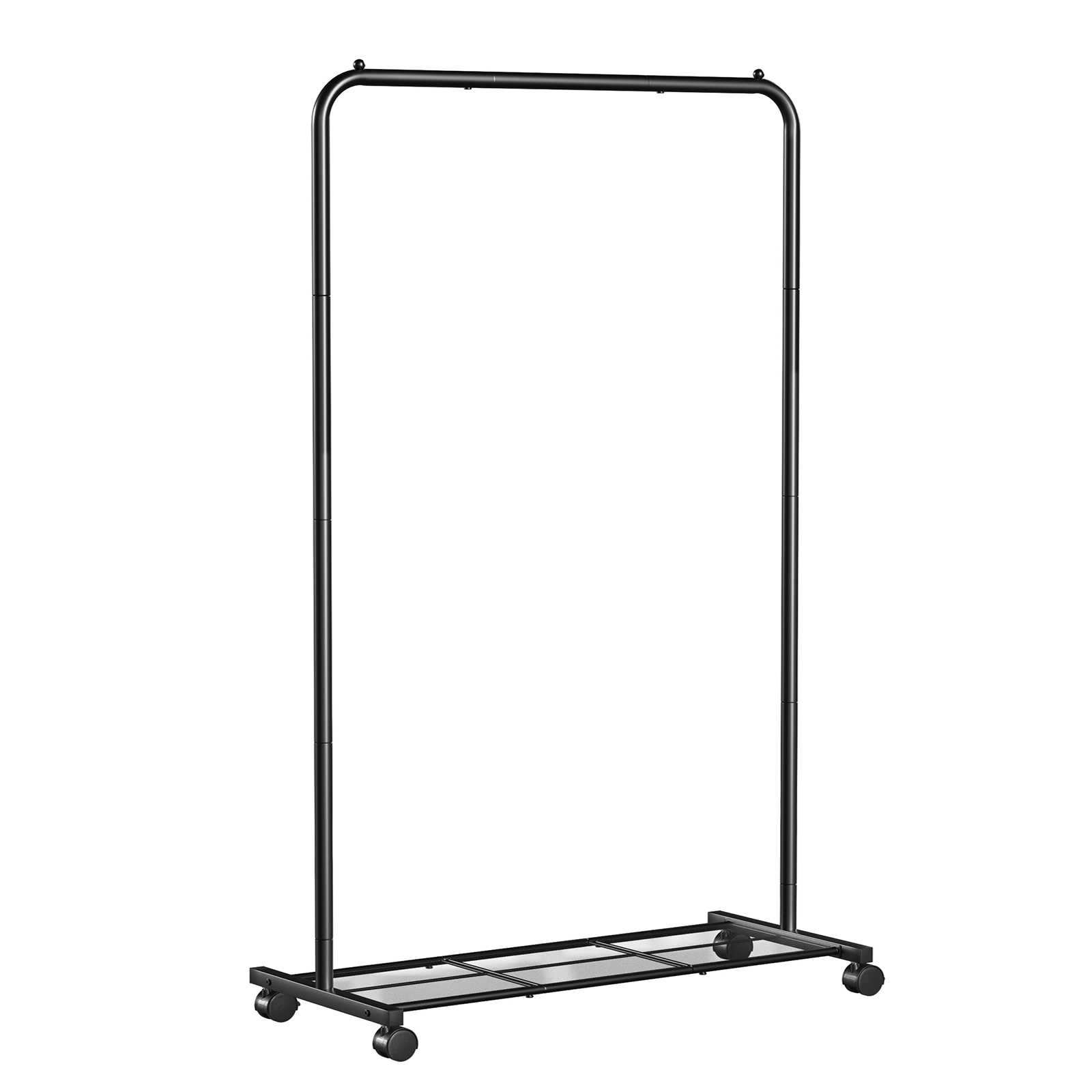
Many teams rely on “good enough” specs and glossy photos. But a cloth stands manufacturer lives or dies by the quiet numbers: tensile strength of tubing, weld integrity at the cross brace, and the true load distribution across casters. Traditional fixes—thicker paint, heavier tube—don’t solve root issues if the geometry is weak. Powder coating can look smooth and still chip if pre-treatment is poor. A high load rating on paper means less if the test skipped dynamic movement or a proper 1.5x safety factor. Look, it’s simpler than you think: ask how they test, not only what they claim.
Hidden pain points stack up fast. Inconsistent QC sampling leads to racks that roll fine in the lab but rack-knife on rough floors. A weak fastener spec lets uprights twist under lateral force. Thin base plates increase wobble when casters meet a ramp—tiny, but real. And packaging? If corner blocks don’t align, a 1.2 m drop test can crush an end cap, then the tube takes a dent before it even meets your team. The old “add more foam” fix only adds weight and cost. The better path is upstream: verify fixture jigs, repeatable torque specs, and simple finite element analysis on stress points. That’s where a reliable cloth stands manufacturer proves its value—by building stability into the frame, not hiding it under paint.
Comparative Lens: From Today’s Racks to What’s Next
What’s Next
Let’s compare two paths. One buyer sources standard tubular frames with generic casters from a mixed lot. Another sets a spec with minimum wall thickness, caster stem shear values, and verified bracing angles. In six months, the second path shows fewer service tickets and smoother moves across thresholds—less drag, fewer stem bends. When scaling to garment racks wholesale, the gap widens. Why? Because small tolerances compound at volume— and yes, that matters. A case in point: a regional retailer swapped to locked-in jig welding and raised the QC sampling rate from ANSI/ASQ Z1.4 General II to tightened inspection for the first three lots. Defects dropped, returns cooled, and rollout stayed on calendar. Not flashy, just disciplined.
Future-facing suppliers are also moving to modular braces and standardized fasteners, so replacements are quick and SKUs stay clean. Some are piloting QR-coded batch traceability and simple torque indicators on assembly points (nice for audits, even nicer for speed). The lesson is calm and practical: compare not only tube size, but the process around it—testing protocol, packaging engineering, and consistency of casters across batches. To choose with confidence, track three metrics: 1) dynamic load rating with a 1.5x safety factor and pass/fail video proof; 2) drop and vibration test results for packaging at the actual ship weight; 3) weld and caster variance, measured by a repeatable gauge or jig report. Meet these, and your racks glide instead of groan. If you want a partner that speaks this language without the noise, take a look at SONGMICS HOME B2B.