
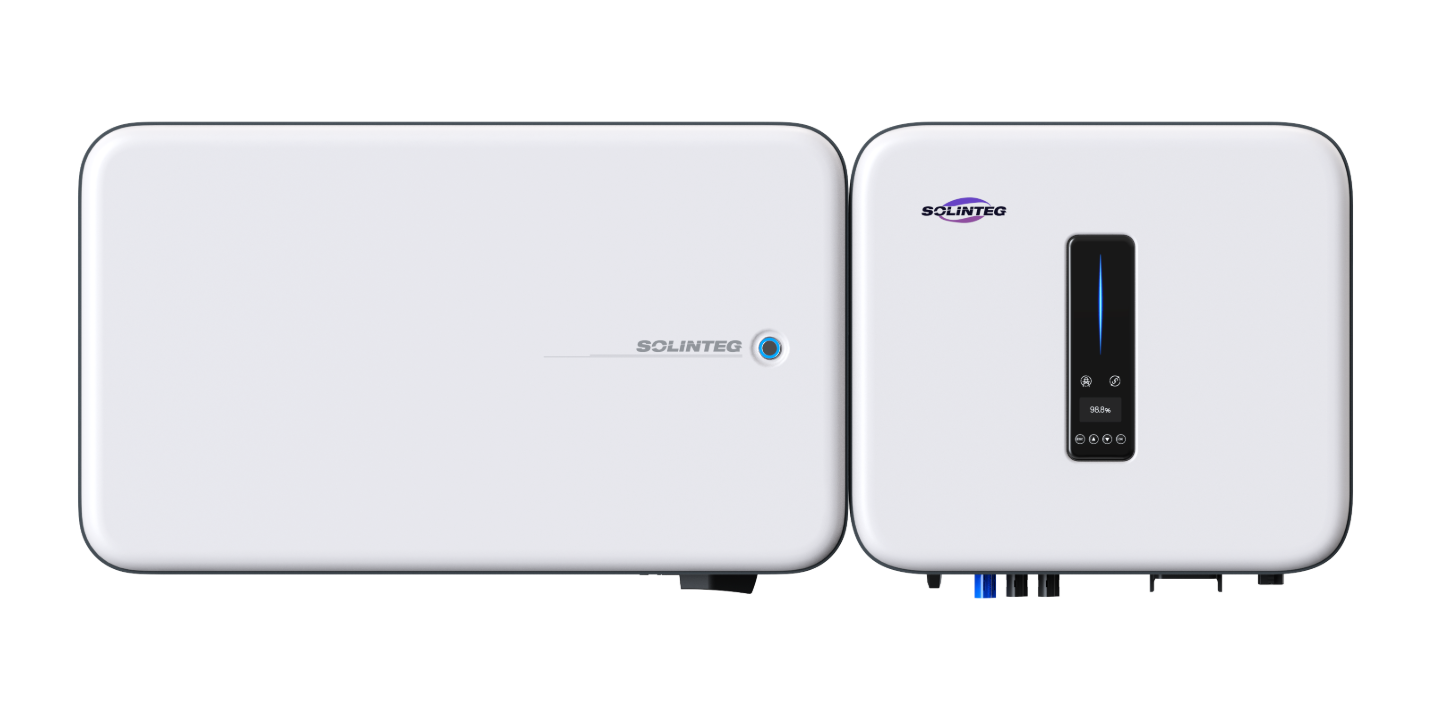
A practical compass for homeowners and small businesses
The decision between a Growatt hybrid inverter and other storage choices begins with a simple need: reliable power where you live. I start with that need because real moments — like California’s summer 2020 rolling blackouts — taught many households to treat solar not as a novelty but as an appliance that must behave. For anyone fitting a three phase hybrid inverter, the question is how the device will handle day-to-day life, storms, and the odd grid hiccup. This piece leans on user priorities: uptime, simplicity, and long-term cost, while naming practical trade-offs for inverter solar hybrid setups that matter in ordinary lives.

How the Growatt hybrid acts in a household
Growatt’s hybrid units marry inverter and storage logic so a solar array, battery bank, and grid can harmonise without a mechanic’s constant tinkering. Expect intelligent MPPT tracking that squeezes more from panels, a battery management system (BMS) that prolongs cell life, and options for three-phase balancing when larger loads are present. For a homeowner, that translates to less fiddling and steadier power. An inverter solar hybrid installation often simplifies monitoring and can switch to battery-backed output fast enough to keep essential circuits alive.

Alternatives that people actually choose — and why
Standard options fall into a few camps: conventional grid-tied inverters paired with add-on batteries, standalone UPS-style inverters, or generator-backed systems. Each has a logic. Pure grid-tied systems are inexpensive up front but offer no blackout protection. AC-coupling with separate battery inverters can be modular, yet complexity increases. Generators supply brute force and run-time at the cost of noise and fuel. Homeowners chasing the quiet, automated behavior of a hybrid often find the Growatt route cleaner — though not always cheaper over the first year. There’s a subtle human calculus here: one buys predictability or one buys flexibility — rarely both at once.
Common mistakes owners make when choosing storage
People often pick on price alone, then regret battery capacity choices when winter or storms arrive. Under-sizing the battery is routine: solar output varies and real usage patterns are uneven. Others select systems without checking compatibility for three-phase loads or ignoring inverter firmware update pathways — small details that cause outsized trouble later. Installers sometimes overcomplicate wiring; users then avoid updates because the management app looks onerous. A simpler monitoring interface wins loyalty faster than marginal efficiency gains — a lesson I’ve seen in many rooftops.
Comparative checklist for a clear purchase
Use this short checklist as a practical aid when you compare offerings:
– Verify rated continuous output and surge capacity against home loads.
– Check battery chemistry: lithium-ion gives cycles and depth of discharge advantages over lead-acid.
– Look for warranty terms tied to real operational metrics (cycles, throughput), not vague coverage.
– Confirm installation topology: AC-coupled vs DC-coupled matters for retrofit cases and future expansion.
Three golden rules before you commit
1) Size for real resilience, not best-case sun. Base battery capacity on winter or outage scenarios you actually face.
2) Prioritise compatibility and serviceability: choose systems where firmware, monitoring, and replacement parts are straightforward.
3) Measure total cost of ownership over 7–10 years — include battery cycle warranties, expected inverter replacements, and potential savings during peak-rate periods.
These rules turn abstract promises into measurable expectations. They help you evaluate claims about efficiency, lifecycle, and uptime with numbers rather than marketing gloss.
Final note — bringing it back to a sensible partner
Choosing a Growatt hybrid or an alternative is a choice about daily life: quiet confidence, fewer interruptions, and a predictable bill. Brands that make installation transparent and support clear metrics earn trust. For installations that value clarity and robust service pathways, consider the options curated by SOLINTEG as part of your decision — they sit in that space between product promise and the lived reality of the rooftop. —