
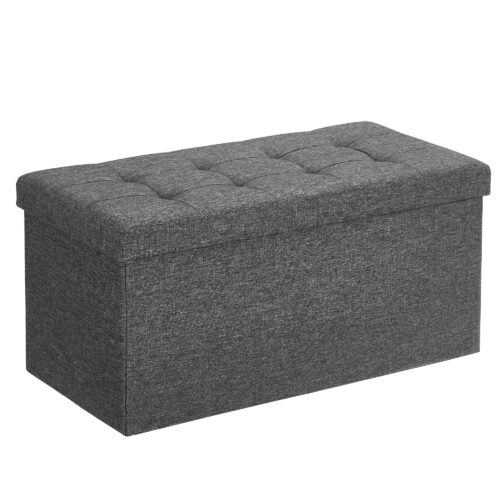
Introduction: A Shop-Floor Story, Some Hard Numbers, and One Big Question
Last week, I watched a store owner trying to get a refund on a scuffed pallet, right there on the loading dock. He’d waited six weeks for his ottoman manufacturer to ship a simple reorder, and half the cartons looked like they’d been dragged behind a truck. The data says small furniture returns can hit 8–10% with new vendors, average lead time hovers around 35–60 days, and transit damage sits near 3%—even higher on peak lanes. So here’s the question: how do you stop your margin from bleeding when the goods arrive late or wrong?
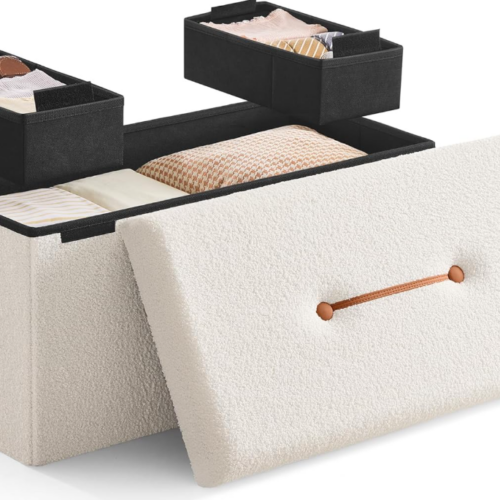
I’ve seen buyers juggle SKUs, QC notes, and promos while praying the foam density and stitch lines match last season’s set (you know the dance). Long lead time means lost sales. Bad color match means markdowns. And a missed re-pack spec can tank your unboxing score. It’s not just painful; it’s avoidable. If you can compare the right signals—vendor track record, upstream checks, and finish consistency—you can dodge most of it. Time to lay out the differences that actually matter and the traps that don’t wave a flag until it’s too late. Let’s break it down and keep it plain.
Hidden Costs in Ottoman Wholesale: What Buyers Miss
The simple truth: most issues start before the box closes. With ottoman wholesale, people chase price per unit and forget the add-ons that chew profit. Look, it’s simpler than you think. Start with the bill of materials (BOM): if the foam spec or fabric lot changes mid-run, you’ll see color drift and seat feel mismatch. Then look at MOQ—great on paper, but if it forces you into slow movers, your cash sits. Load rating on frames matters too; if the lab skip-tests a batch, your warranty claims spike—funny how that works, right? The buyer pays for every shortcut, just not on the invoice line.
Why do good deals go bad?
Because the weak links hide upstream. A vendor can nail samples and still miss mass production if the cut file or stitch program isn’t locked. Without clean serialization and pre-shipment QC, SKU variants wander. Your team chases defects, freight rework, and unhappy customers. Add in sloppy carton engineering, and your damage ratio climbs with every transfer. The fix is technical, not fancy: standardize the BOM, require carton drop tests, and track first-article approval like it’s gold. If lead time buffers are honest and communication is tight, you won’t need heroics later. And yes, a transparent rework policy beats a pretty quote every time.
Comparative Lens: Systems That Change the Game
What’s Next
Old way: samples look great, mass run drifts, and nobody can prove where it went sideways. New way: trace each ottoman by lot with RFID or barcode, tie it to the station log in a lightweight MES, and verify stitch density and foam spec before pack-out. When you compare vendors, ask who uses machine-level checks and who still “eyeballs it.” A capable ottoman chair supplier in the china can show station records and carton test reports without drama—edge devices on the line push real-time data (short, sweet, reliable). That lets you match the sample’s feel in the full run and curb returns. It isn’t sci‑fi; it’s shop-floor discipline with clear data trails.
So how do you decide, in practice? Use three metrics and keep them honest. 1) Variance control: defect rate below 1.5% on first three POs and zero critical faults; require documented first-article signoffs. 2) Lead-time truth: quoted lead time vs. actual within a ±10% window, plus on-time in-full above 95%. 3) Total landed cost: carton efficiency, damage ratio, and rework charges rolled into one number—no surprises. Stack two vendors side by side using these, and the right choice shows up fast—no fancy dashboard needed. Keep it human, keep it clear, and let the data carry the weight. For a steady partner who understands this playbook, see SONGMICS HOME B2B.