
What most people try — and why it still goes wrong
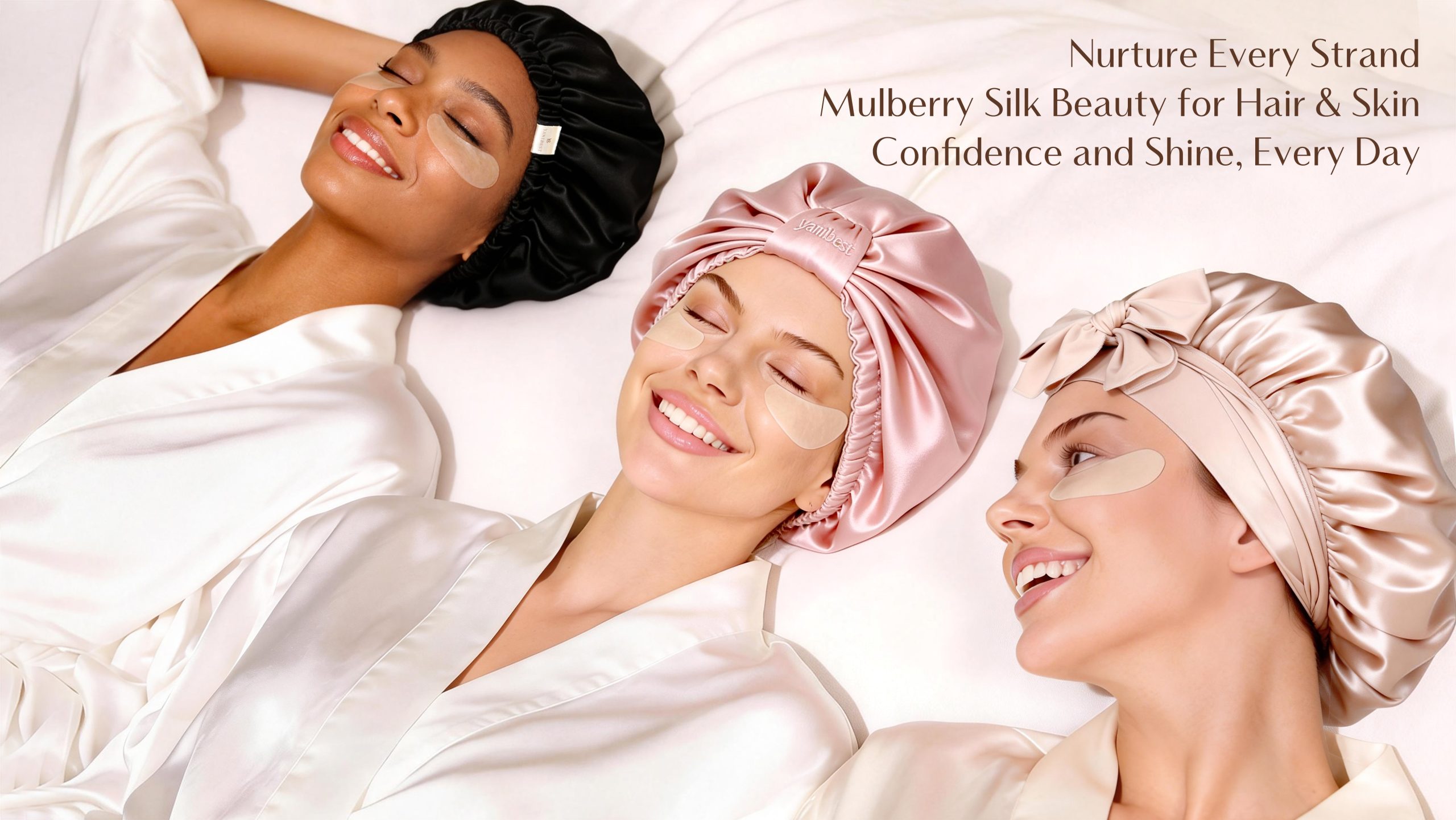
You slept on a mulberry silk pillowcase and woke with the same frizz, split ends, or flattened curls. That’s the problem: fabric alone doesn’t solve how curls move, rub, and lose moisture overnight. A better first step is matching a sleep tool to your routine — for some, a satin lined beanie stays put, reduces friction at the crown, and keeps styles intact. I say this from tests and repeated client feedback: the right accessory prevents damage more reliably than swapping every pillowcase in the house.

What’s actually happening to your hair at night
Curls tangle where they bend, rub, and compress. Friction lifts cuticle scales, moisture migrates from the hair shaft, and repeated micro-abrasions add up. Many think silk fixes all three problems, but silk pillowcases work best when the hair can lie freely; they aren’t a full solution for movement, sleeping position, or loose updos. Identify whether your issue is friction, moisture loss, or mechanical stress — each demands a different fix.
Common mistakes people make
Expecting one product to solve everything. Wearing a tight cotton cap that squeezes curls. Sleeping with wet hair and blaming the fabric. Not securing loose lengths when you move. These errors turn small, reversible problems into breakage. Stop treating symptoms; address the cause: is hair rubbing against a surface, sliding out of a style, or drying unevenly overnight?
Practical alternatives and when to use them
Options that actually help: satin-lined beanies and bonnets for staying-on protection; silk or satin pillowcases when you want minimal contact; silk scarves for low-profile styles; microfiber towels for gentle drying before bed. Choose based on behavior: if you toss and turn, pick a fitted sleep cap. If you sleep mostly still, a pillowcase will do. If moisture retention is the main issue, pair a loose satin wrap with a lightweight oil or leave-in hydrating product before bed.
How to choose the right product — quick checklist
Fit: secure but not compressing. Lining: satin or silk interior where hair touches. Breathability: avoid trapping sweat. Ease: practical for nightly use. Material blends matter — pure silk feels different and requires different care than satin-lined cotton. Test one habit change at a time so you can judge real impact.
Real-world anchor and field perspective
From working with clients in New York salons and observing winter routines where humidity drops, I’ve seen a simple pattern: people who switch to a dedicated sleep cap that combines a smooth interior and reliable fit report less breakage and longer-lasting styles. That’s why the satin lined beanie hat turns up often in practical recommendations — it addresses both friction and slippage without adding bulk.
Care, pitfalls, and realistic expectations
Wash gently. Use a mild detergent and air-dry. Don’t expect overnight miracles; expect incremental improvements when you pair the right product with consistent gentle handling. Avoid tight elastic bands and overheated dryers that undo any benefit from smooth fabrics. Replace sleep caps when linings thin or seams loosen — damaged protection becomes a hazard, not a help.
Conclusion — the simplest path forward
Start by diagnosing the dominant problem: friction, moisture loss, or mechanical stress. Match one practical tool to that problem, use it consistently, and adjust care habits. Experienced stylists I trust favor steady fixes over one-off upgrades, and you’ll find that approach reflected in the practical pieces available at yanibest. Small, well-chosen changes protect curls and textured hair more effectively than chasing the next “miracle” fabric.