
Introduction: Defining the Real Shift in HA Performance
Start with the mechanism. Cross-linking converts a fast-dissolving polymer into a stable, viscoelastic network that resists enzymes and mechanical stress. Hyaluronic acid gel sits at the center of this change, bridging softness with structural hold. Picture a clinic day: three patients, three sites, and one goal—shape that lasts yet feels natural. Data from bench tests shows that optimized storage modulus (G’) and thixotropy reduce migration and overcorrection by double-digit percentages in typical protocols. So why do some “long-lasting” fillers still drift, swell, or clump after stress cycles (or after that first workout)? The gap is not only in formulation; it’s in how we compare performance under real loads and shear.
Here’s the question: are we evaluating gels for how they look in the syringe, or how they behave in tissue after cycles of compression and heat? The answer changes which product wins. And it changes which outcomes we can promise with confidence. Let’s line up the variables—and see where the traditional playbook falls short—before we look ahead to what’s next.
Where Traditional Fillers Fall Short—and Why Cross-Linking Solves More Than Longevity
What actually breaks in the classic approach?
Direct point first: linear HA and lightly cross-linked matrices degrade fast under hyaluronidase and everyday motion. A modern cross linked gel changes the baseline by increasing network integrity and tuning flow under shear. The real flaw in older solutions is not only short duration. It’s mechanical instability. Low and inconsistent shear modulus weakens shape retention in mobile areas. That’s when puffiness, edge irregularity, or the Tyndall effect can show up. With tuned BDDE crosslinker ratios and tighter gel fraction control, the viscoelastic profile holds under load while keeping a reasonable extrusion force. Look, it’s simpler than you think: match G’ to the target plane, and you cut migration risk at the source.
There’s also the hidden swell problem. Osmolarity and hydration kinetics can cause volume creep in the first 72 hours if the network is too open. Traditional guidance focused on “how soft it feels.” But surgeons need predictable thixotropy and recovery after stress, not just softness in a vial—funny how that works, right? Better rheology means less overcorrection, fewer touch-ups, and cleaner contours after facial expression cycles. Add strict endotoxin thresholds and validated sterilization, and you cut downtime triggers that users mistake for “allergy.” This is where cross-linking isn’t a buzzword; it’s process control.
Comparative Insight: Principles to Build the Next Generation
What’s Next
Let’s shift to new technology principles. The next wave will not chase “soft vs. firm.” It will tune local response with modular networks that adapt under micro-load. Think of zonal rheology: one gel tuned for high G’ in the midface, another with a lower loss tangent for lips, both sharing a stable cross-link chemistry. A capable hyaluronic acid gel manufacturer will publish ranges for storage modulus, tan δ, and extrusion force by needle gauge—so selection is empirical, not guesswork. Comparative testing under cyclic compression and thermal swings (room to 37°C) will become baseline, not “nice to have.” The payoff is clear: fewer revisions, steadier contours over 6–12 months, and tighter variance between injectors.
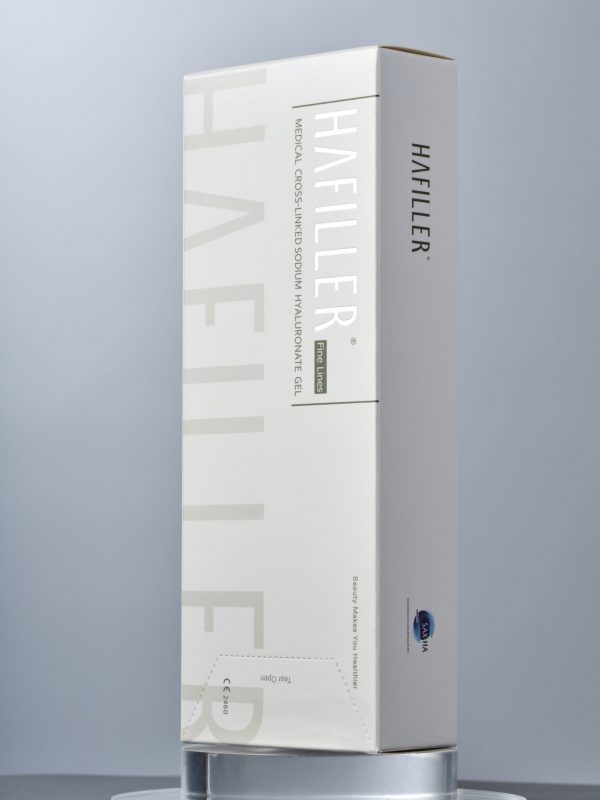
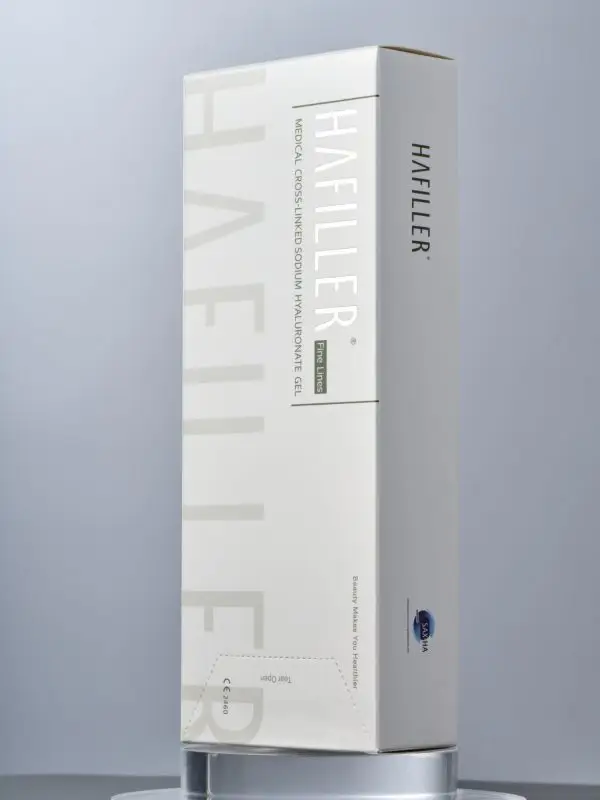
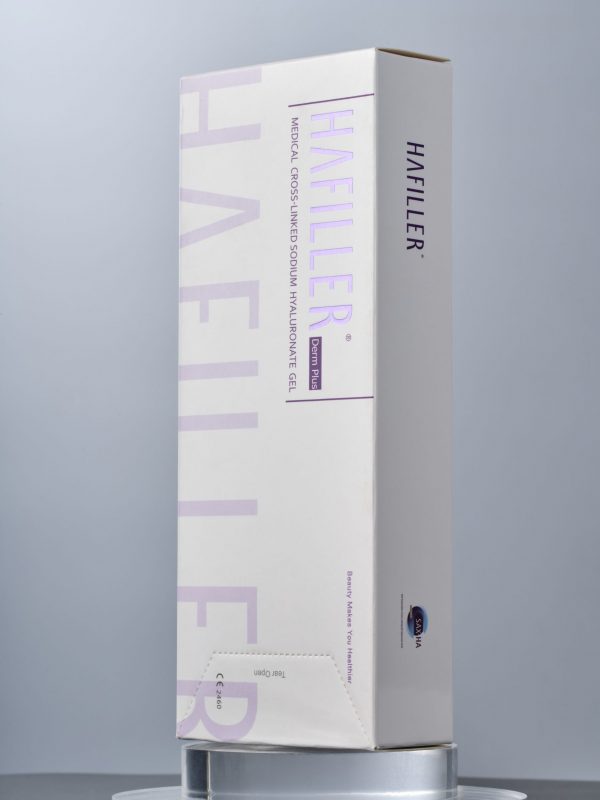
From a forward-looking lens, we’ll also see smarter QC: batch-level rheology maps, post-sterilization drift checks, and in-process controls on degree of modification. That enables predictable behavior without over-crosslinking. Translation for practice: match the gel’s G’ to tissue strain, not the marketing tier. Summarizing the arc so far, we moved from duration-only thinking to mechanics-first selection, and we flagged the real culprits—weak networks, swell, and inconsistent flow. Now, a brief advisory close: three metrics to compare before choosing any system—1) target G’ band for the injection plane (e.g., lips vs. midface) with tan δ to gauge recoil; 2) crosslinking density and residuals disclosure (BDDE ppm and gel fraction); 3) validated extrusion force by needle gauge alongside endotoxin limits. Keep those three steady, and outcomes stay steady too. For reference and deeper specs, see HAFILLER.