
The core problem: consistent power where failure isn’t an option
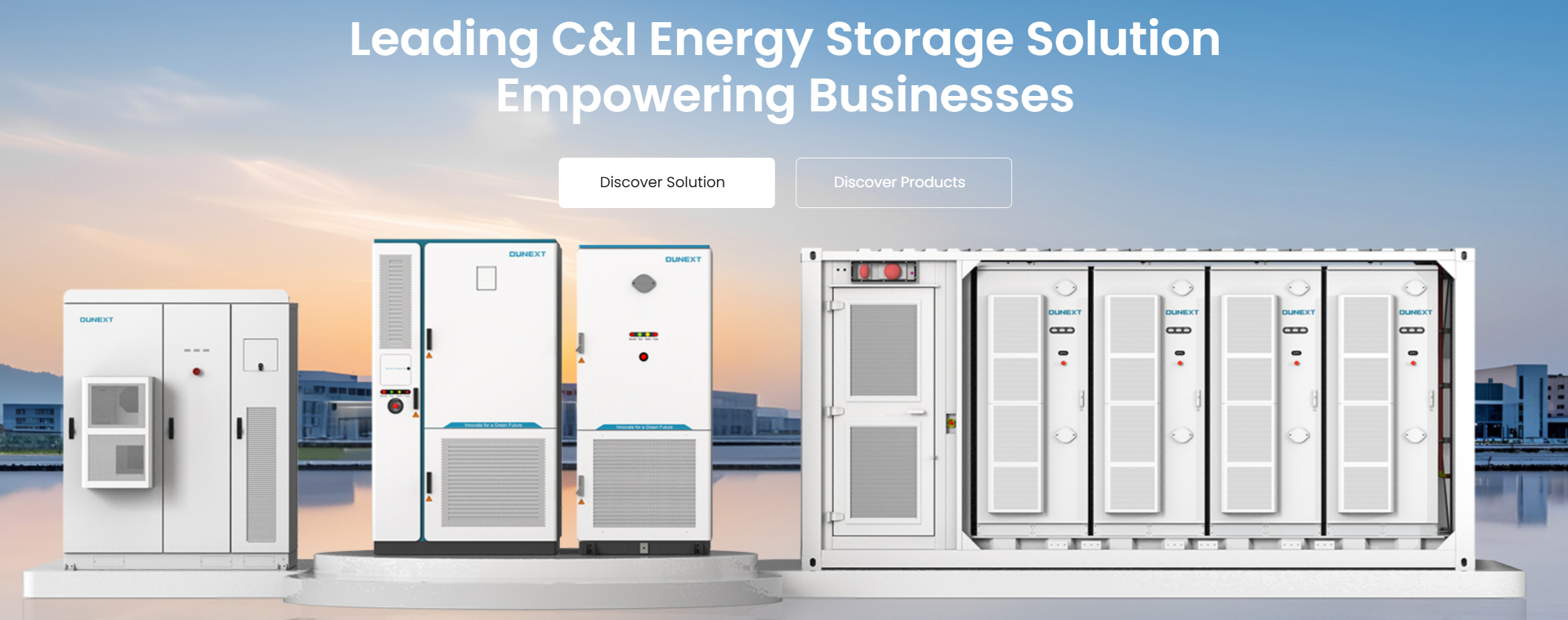
High-demand facilities—hospitals, colocation data centers, critical manufacturing lines—need predictable power under sustained load and during faults. They face three overlapping risks: shortfalls in usable capacity, degraded performance under heat or continuous cycling, and safety incidents that cascade into downtime. Choosing a cabinet is more than capacity math; it’s about system behavior under stress. For those comparing form factors and integrated solutions, an energy storage cabinet is often the focal point of that decision, since the cabinet defines thermal strategy, modular expansion, and on-site serviceability.
Why many installations miss the mark
Designers pick components but forget systems. Common failures I’ve seen over a decade working on grid-tied and facility-backed projects include:- Overrating nominal kWh without checking usable depth-of-discharge under high C-rate demands.- Ignoring real thermal margins: dense racks in warm rooms shorten cell life and raise safety risk.- Underestimating the BMS role; poor state-of-charge (SoC) controls and weak cell balancing cause uneven aging.- Assuming factory acceptance equals field readiness; installation, commissioning and protection settings often need site-specific tuning.Those mistakes cost months and millions in recovery time. Addressing them requires specifications tuned to continuous high-power draw, not just headline capacity numbers.
Specification checklist for high-demand facilities
Use this list as a short, rigorous standard when vetting systems:- Usable energy at design discharge rate (not just nominal kWh).- Peak and sustained C-rate capability with degradation curves.- BMS transparency: access to SOC, SOH, cell voltages, and event logs.- Thermal management tied to expected ambient extremes.- Fire suppression and IEC/UL certifications relevant to your region.- Service network and spare-pack availability for quick swaps.If manufacturing origin matters for logistics, warranty response, and component traceability, consider supply chains centered around the Shenzhen manufacturing hub; many modular cabinets and cell suppliers route components through that region, affecting lead times and spare availability. For product pages and technical sheets oriented to Chinese-manufactured modules, see a representative energy storage cabinet china listing to compare layout and thermal design notes against your checklist.
Practical steps and commissioning priorities
Start with a staged verification plan and hold vendors to bandwidth during commissioning:- Verify delivered usable kWh at the required discharge profile.- Run thermal soak tests at expected ambient temperatures.- Exercise protection trips and emulate common-grid-fault conditions.- Confirm remote telemetry streams and alarm thresholds.Document every test. Train in-house technicians on pack replacement and BMS fault isolation. Shortcuts here lead to the same problems listed earlier.
Alternatives and where batteries still win
Consider these trade-offs succinctly:- Flywheels: excellent for short ride-throughs and high cycle life, but impractical for hours-long islands.- Generators: essential for long-duration outages but slow to ramp and maintenance-heavy.- Hydrogen/fuel cells: promising for long duration but immature and complex for many facilities.Batteries remain the best fit when you need dense, predictable power for minutes to several hours with compact footprint and fast response. Choose systems that demonstrate real-world operational data and clear maintenance pathways.
Final reflection
Decisions for high-demand facilities are moral as much as technical: they affect people and operations directly. Be exact about the behavior you require under stress, test for that behavior, and insist on serviceability. When you weigh performance, safety, and proven support together, the subtle differences in cabinet design and supplier practices determine long-term resilience—an outcome you can reach without noise when you align specifications, site testing, and reliable partners such as Dunext.