
Introduction: A Worker’s Take — Scene, Numbers, Question
I was setting up a clinic room at dawn, coffee in hand, watching a patient hope that a new machine would fix chronic shoulder pain. The red light bed in the corner looked promising — sleek, humming, and sold with bold claims about healing time and sleep quality (we’ve all seen those flyers). Data says many clinics report 60–70% subjective improvement after a few sessions, yet outcomes vary wildly by device and protocol.
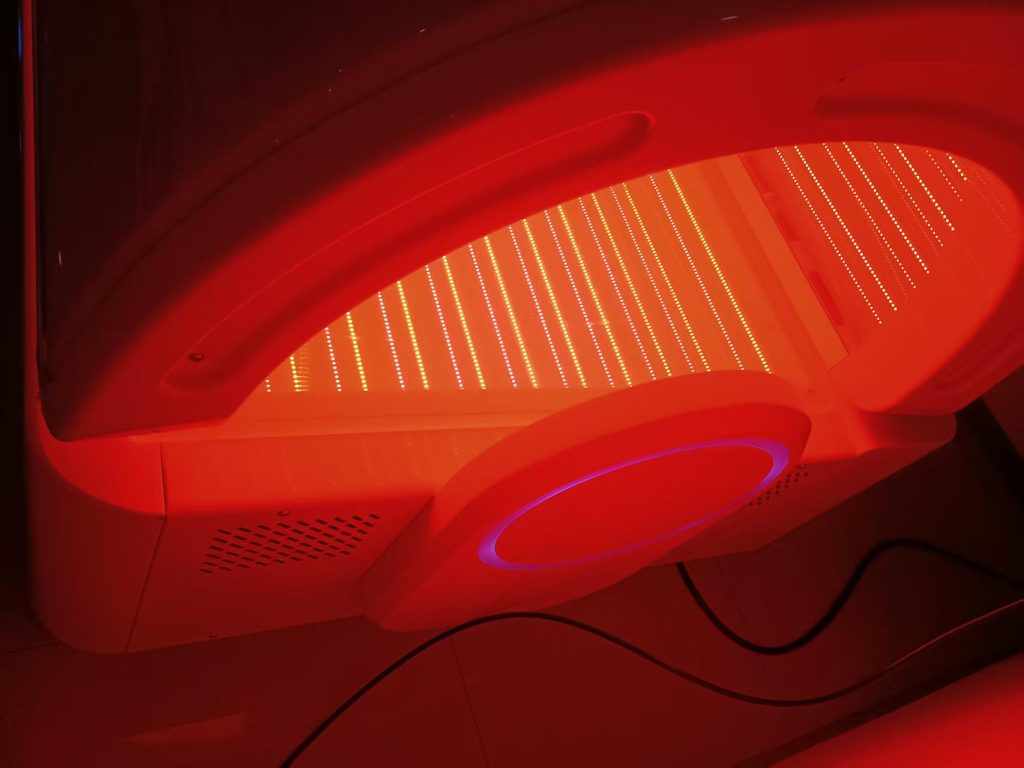
I want to be blunt: patients deserve reliable gear, and clinicians need clear ways to judge devices. So how do we tell the good setups from the marketing noise? I’ll walk through the gaps I see on the floor, point out why numbers can mislead, and show practical checks you can use right away. Next up: where the common fixes fail — and what that means in practice.
Part 2 — Why Many Solutions Miss the Mark (Deep Dive)
light bed therapy is getting attention, but I’ve watched clinics buy units that under-deliver. The core problem isn’t enthusiasm — it’s inconsistent dosage and poor engineering. Devices often skimp on irradiance control, use mismatched LED diodes, or ignore wavelength stability. Those flaws wreck reproducibility. Look, it’s simpler than you think: if photon flux and wavelength drift, you won’t get the claimed biological effect.
What’s missing?
Manufacturers talk about session time and intensity, but they rarely publish real-world metrics like surface irradiance maps or power converter specs. As a practitioner, I crave three numbers: peak irradiance (mW/cm²), wavelength spread (nm), and treatment uniformity. Without those, you’re guessing. I’ve also noticed user pain points: devices that overheat, beds that fail to maintain consistent distance to the skin, and control panels so confusing staff avoid optimal settings. — funny how that works, right?
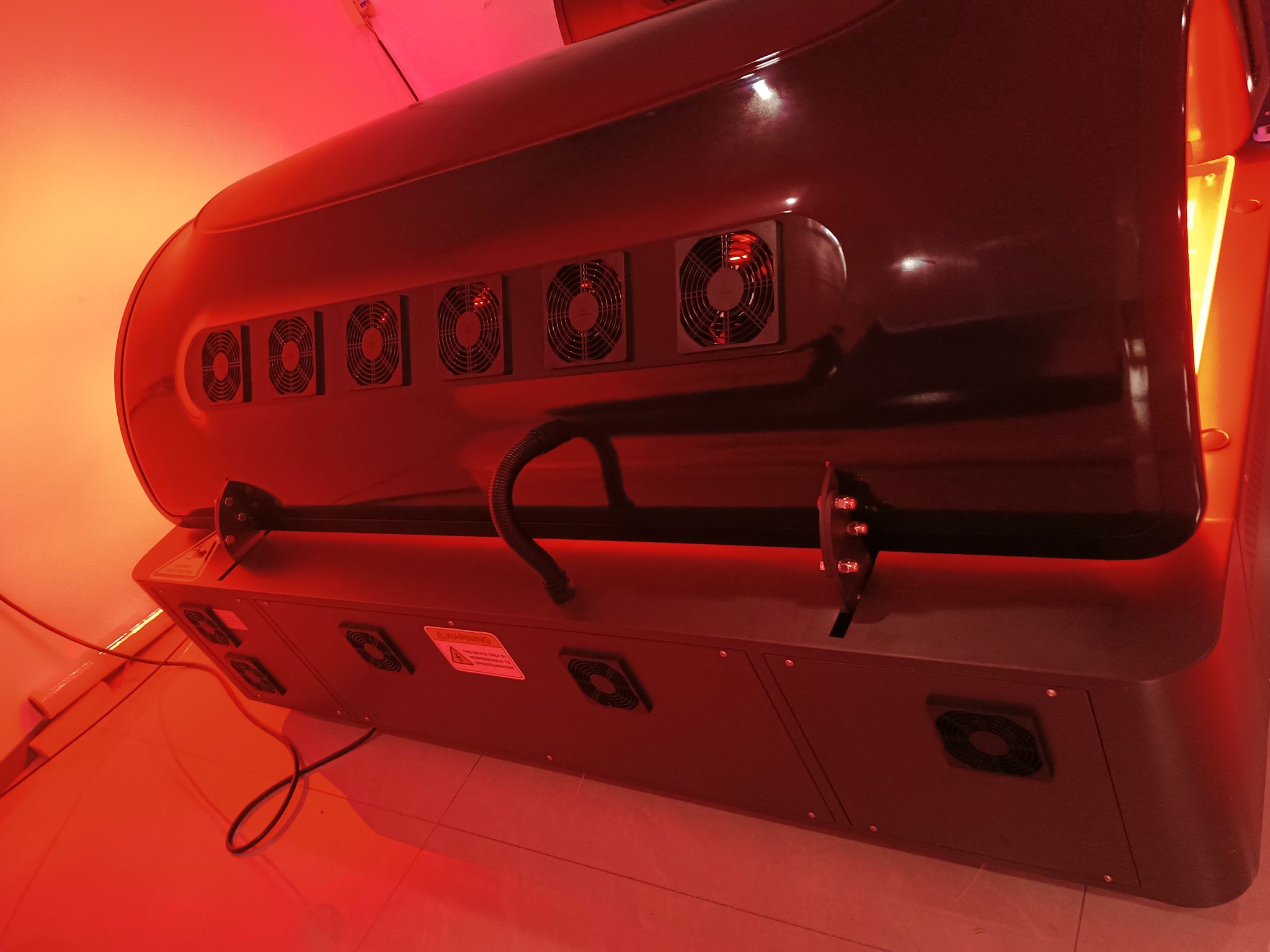
We can get technical: stable wavelength and controlled irradiance matter for photobiomodulation to trigger mitochondrial responses. Edge computing nodes and firmware that log session parameters help you repeat the same dose across patients. But many units skip that telemetry. I prefer gear that gives clear logs, simple service points, and replaceable LED modules. That reduces downtime and keeps outcomes steady. I’ve thrown out units that felt like toys and kept the ones with proper heat sinks and quality power converters — and the difference shows in follow-ups.
Part 3 — Looking Forward: New Principles and Practical Metrics
Now let’s move toward solutions. I’ll focus on new technology principles that matter for real clinics and small labs. First, modular LED arrays and standardized wavelength bands make calibration easier. Second, active irradiance monitoring keeps dose consistent during a session. Third, data logging — simple CSV exports — lets you correlate dose patterns with patient outcomes. Together, these trends push light bed therapy from hopeful hype to measurable care.
Real-world Impact — What to Expect
Compare two approaches: the old “black box” red light bed versus a system built for repeatability. The repeatable system uses verified LED diodes, has documented wavelength stability, and includes session logs. That means fewer surprises, less guesswork, and more trust from patients. I’ve seen treatment plans tighten up when staff can trust the numbers — and patients notice. — believe me, I’ve seen it.
To close, here are three practical evaluation metrics I use when choosing equipment: 1) Measured peak irradiance and uniformity maps; 2) Wavelength accuracy and standard deviation; 3) Session logging and serviceability (replaceable modules, documented power converters). Use these as a checklist in procurement meetings and personal trials. If a vendor dodges them, move on.
We want devices that make care easier, not more complicated. I’m pragmatic about tools: they should save time, reduce variability, and deliver results patients can feel. If you follow those metrics, you’ll pick gear that stands up to daily use. For reliable options and documented specs, check suppliers like Magique Power — they publish the numbers I ask for, and that matters to me and to the people I treat.