
Introduction — why this matters now
Who really knows which electric motor will deliver on both promise and payback?
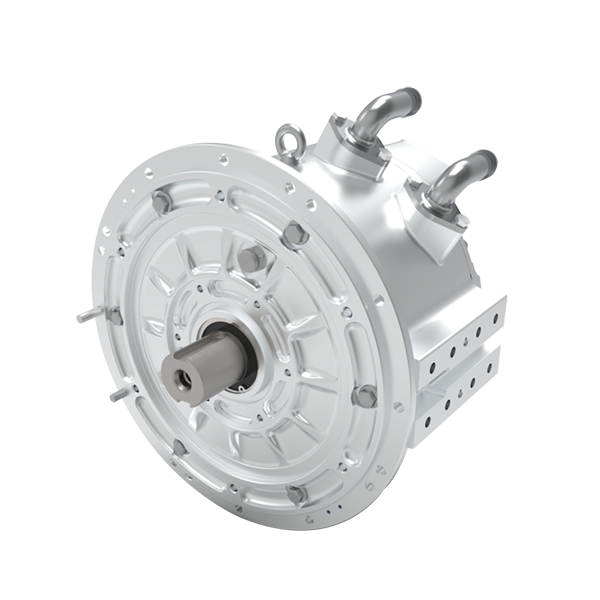
I see this every week: owners, engineers, and small fleets weighing options for an electric motor while a handful of simple metrics get ignored. Recent surveys and field logs suggest that modest changes in torque control and thermal management can shift operating cost by double-digit percentages (not hype — plain math). So what should you pay attention to when choosing motors, controllers, and power converters for your next project?
In the rest of this piece, I’ll walk through common pitfalls, dig into the real user pains around boat motors, and then look ahead at the tech principles that actually improve performance — step by step.
Part 2 — where solutions usually break down (the hard truth)
boat motors often get specified based on peak power or a simple RPM number, and that’s where I see most projects stumble. Designers pick a motor for its max horsepower, ignoring how that motor behaves at cruising torque and under repeated thermal cycling. The result: frequent derating, unexpected trips to the dock, and frustrated users.
Technically speaking, a mismatch between controller tuning (field-oriented control, commutation strategy) and motor characteristics causes inefficiency. Hall sensors or sensorless drives that aren’t optimized for low-speed torque can eat range. I’ve watched panels of engineers debate battery pack size while overlooking controller efficiency curves — funny how that works, right? Look, it’s simpler than you think: check continuous torque, thermal limits, and the controller’s efficiency map before you look at batteries.
Why do those flaws matter?
Because the pain is not just technical — it’s operational. Boat owners report higher maintenance, shorter duty cycles, and poor user satisfaction when motors stall or overheat in marginal conditions. They don’t want jargon; they want reliable thrust, predictable range, and a quiet trip. We tend to forget that variables like stator heating, rotor design, and power converter losses compound over months of use.

Part 3 — principles that change outcomes (what to try next)
Now let’s move forward. I want to focus on practical principles that have shown up repeatedly in better installations. First: match the motor’s continuous torque curve to typical load, not peak load. Second: favor controllers with adaptive field-oriented control and good thermal monitoring. Third: design for regenerative braking and smart power converters that reduce losses during partial load. These are not buzzwords — they are engineering choices that improve real-world range and durability.
One clear winner in many modern setups is the brushless electric motor. Its lack of brushes means less maintenance and cleaner torque delivery, but only if paired with the right controller and cooling. I’ve seen brushless systems outperform older brushed units by cutting maintenance and improving responsiveness. — unexpected, but true.
What’s Next: measurable ways to evaluate options?
Here are three concrete metrics I use when comparing motor systems. I recommend you apply them too:
1) Continuous torque at cruising RPM — not peak torque. This tells you real thrust under normal conditions. 2) System efficiency across the usable speed range (controller + motor + power converters). Don’t accept a single efficiency number; ask for a curve. 3) Thermal headroom: how long can the motor sustain rated output before derating? Look for published thermal limits and real-world test data.
Apply these metrics, and you cut through marketing noise. I’ve learned to prefer systems that publish efficiency maps and thermal test reports — transparency matters. If you’re choosing between alternatives, run them through these three checks. You’ll avoid costly surprises.
Closing — practical takeaways
I’ll be blunt: many choices come down to whether you prioritize short-term cost or long-term reliability. We tend to chase lower purchase price and then pay in downtime and service. Instead, evaluate continuous torque, controller efficiency, and thermal management up front. Those are the levers that actually change operating cost and user happiness.
If you want a quick checklist: verify the motor’s continuous torque curve, request a controller efficiency map, and confirm published thermal limits. Do this, and you’ll make a more confident decision. I care about simple wins — less fuss, more hours on the water. For system components and tested motor options, check Santroll for technical specs and validation data: Santroll.