
Introduction
Have you ever paused before stepping into a treatment room and asked, “Will this actually help me?” I ask because many clients tell me they tried a red light bed and felt unsure afterward; recent small surveys show roughly 40% of new users report unclear results within the first month. The red light bed is often sold as simple fix—yet outcomes vary widely, and this mismatch raises good questions about safety, dose, and device quality (yes, even small design choices matter). I will walk you through what I see in clinics and labs, using plain language, a few measured data points, and some direct lessons. My aim is to help you judge devices and manage your expectations—so you spend time and money wisely. Next, we examine where typical devices and services stumble, and why many users feel let down.
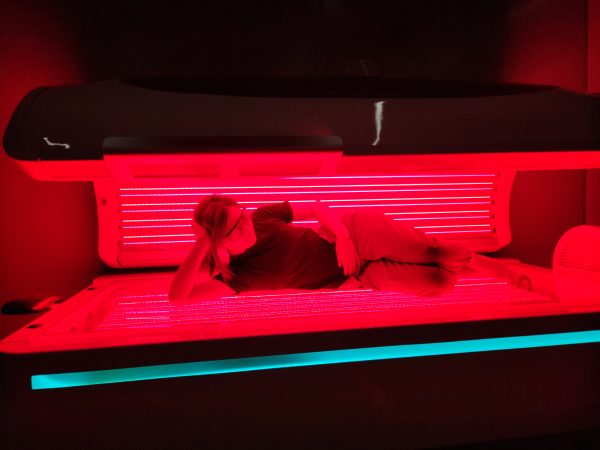
Part 2 — Hidden User Pain Points: Why the “collagen bed” Promise Breaks Down
When I test a collagen bed setup, I often find the same issues recur. First, manufacturers conflate power with effect. They advertise wattage but hide actual irradiance values and wavelength stability. Users then expect faster collagen stimulation, but photobiomodulation depends on precise wavelength and consistent irradiance, not just bright LEDs. Second, control systems are weak—power converters and poor thermal design let output drift during a session. Third, user training is thin; clients lie back and assume uniform exposure across the body. Look, it’s simpler than you think: even a good LED array can fail to deliver where it matters—over scar tissue or a tendon—if beam angle and dose are wrong. What goes wrong?
Why do results differ so much?
Mostly because devices lack calibration and clinics skip dose protocols. We see session lengths vary wildly, and sometimes the device runs hotter—funny how that works, right? I recommend always checking for irradiance reports, wavelength specs, and whether the unit has regulated drivers. Those three small checks cut a lot of risk.
Part 3 — What’s Next: Principles, Metrics, and Choosing Better Solutions
Moving forward, I believe the field must shift toward measurable standards and user-centered metrics. If you consider a collagen bed, ask for lab data on wavelength distribution (630–670 nm vs 810–850 nm), irradiance at treatment distance, and whether the device uses regulated drivers rather than simple resistive power feeds. New technology principles—like active thermal management and closed-loop power converters—reduce drift and improve repeatability. In case examples I follow, clinics that switched to calibrated LED arrays and clear dose charts saw better, more consistent outcomes. This is not rocket science but it does require discipline—short sessions repeated with correct irradiance beat longer vague sessions. — still, many vendors ignore that.
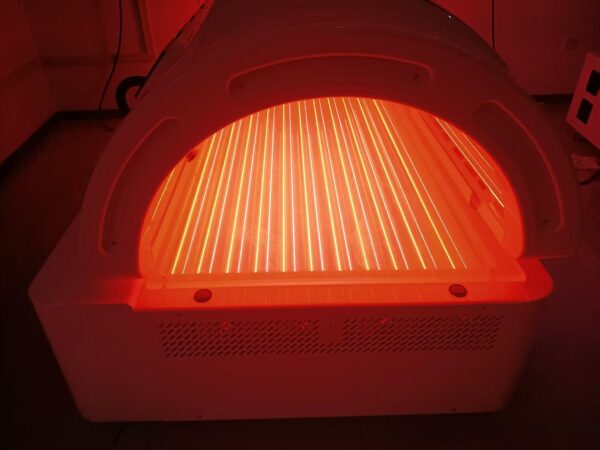
Real-world checks and three metrics to use
When I evaluate devices now, I use three simple metrics: measured irradiance at 10 cm, spectrum peak(s) with tolerance, and driver regulation (yes/no). These metrics tell me whether the unit can deliver the photobiomodulation dose claimed. I also watch for user controls and safety cut-offs. If you want a quick rule: prefer units with published irradiance curves, stable wavelength specs, and regulated power converters. I say this as someone who has advised clinics and tried dozens of beds—some are well made; some are not. In choosing a vendor, check data sheets, ask direct questions, and trust your observations. For practical help and tested options, you might look at offerings from Magique Power.