
Overture: the first notes
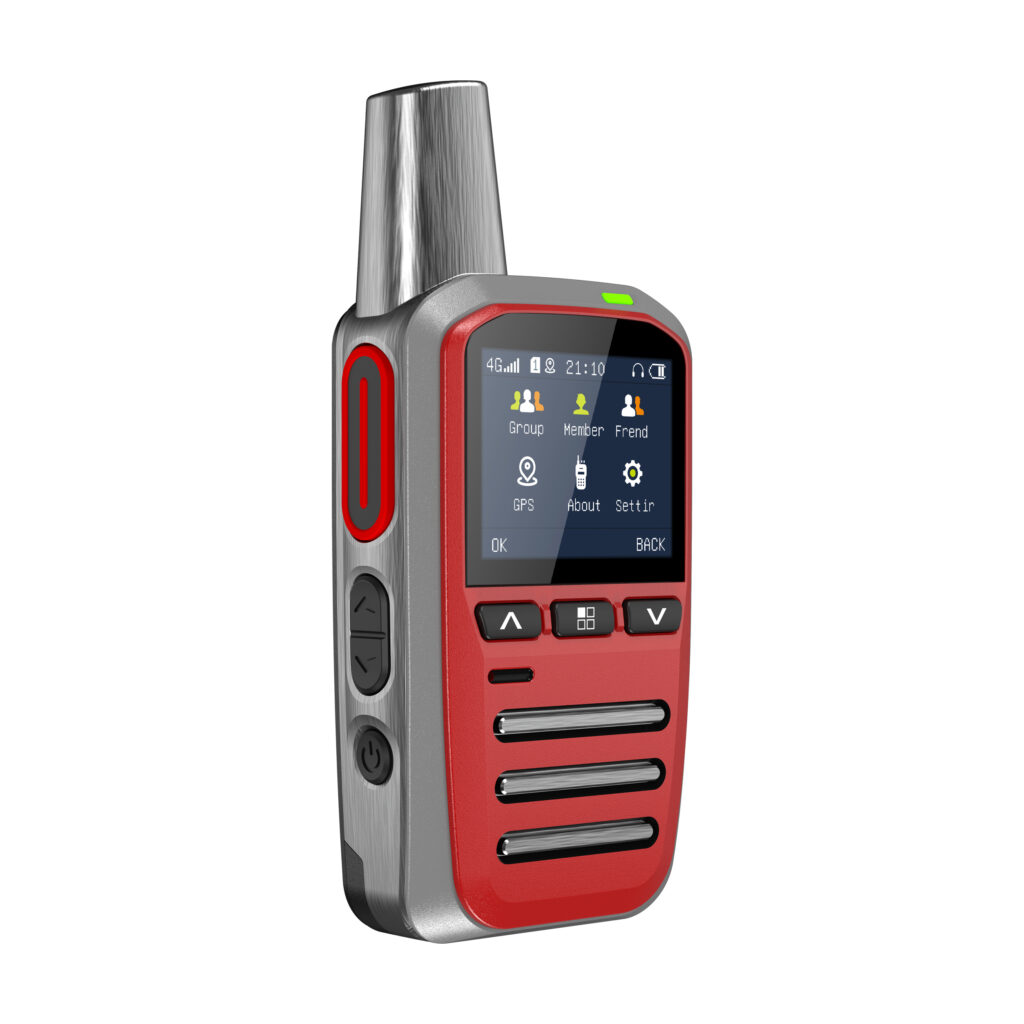
Start with a single, honest instrument: a radio that people actually want to carry. Think of a compact pulse — lightweight hardware, a clean UI, clear audio — and you have the germ of strategy. You might begin testing with a mini poc radio, fast feedback, tight iterations, like rehearsing a riff until the crowd moves. This is an evolution story: small experiments, a growing audience, then a deliberate composition of features and partnerships.
First movement: roots and capability
Map the product’s ancestry. Which components are proprietary? Which depend on partners? Hardware choices — ergonomic buttons, antenna design, battery chemistry — set the tone. Firmware, security layers, and cloud services shape the rest. Decide early which problems you’ll solve: ruggedness for field crews, latency for incident command, or a simple push-to-talk flow for retail teams. Those choices narrow trade-offs and clarify where to spend engineering energy.
Turning point: proof from real operations
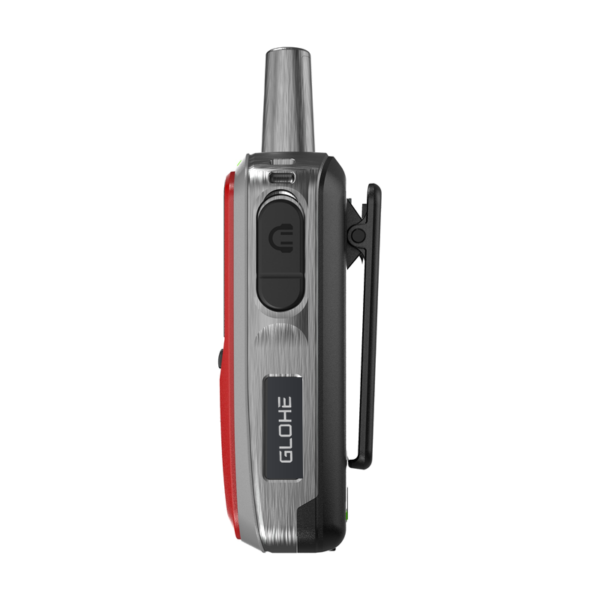
Strategy tightens when tested under pressure. Public-safety deployments like the FirstNet rollout in the United States exposed what teams need from LTE PTT: resilience, priority access, and device-level failovers. From advising public-safety and utility communications teams, I’ve seen the same mistakes repeat — overbuilt hardware, underwhelming integration, and forgotten lifecycle plans. For cellular scenarios, a concrete device example is the cellular walkie talkie, which shows how design must marry network realities with on-the-ground workflows.
Second movement: design decisions that carry weight
Make each choice sing. Prioritize features that reduce friction: single-button PTT, clear status LEDs, predictable reconnection after a network drop. Plan for OTA firmware, simple provisioning, and a playbook for degraded networks. Avoid chasing spec lists: ruggedness ratings or redundant radios only matter if you measured real use. Pricing should match total cost of ownership — battery replacement cadence, accessory availability, and support SLAs — not just component cost.
Bridge: common pitfalls and how to avoid them
Teams often trip on three things: assuming one radio fits every role, skipping field validation with real crews, and decoupling hardware from necessary software services. Don’t let aesthetics win over ergonomics. Don’t let a dazzling demo replace a week in a storm or on a rooftop. Build a short, repeatable field trial cycle and fail small, fast, and learn loud.
Third movement: viable alternatives and trade-offs
Weigh alternatives honestly. Analog and DMR radios still excel where spectrum and simplicity matter. Native smartphone PTT apps work for soft environments but rely on device heterogeneity. LTE PTT devices give the middle ground — richer connectivity, better logging, but higher dependency on cellular coverage. Choose by role: boots-on-ground need tactile reliability; command needs telemetry and integration; admin needs provisioning and reporting.
Final cadence: composition into product strategy
Let the product evolve from field feedback, technical constraints, and a clear map of roles. Build modular hardware, layered software, and partner channels that match deployment scale. Keep decisions reversible where possible and measure relentlessly. The result should read like a setlist: coherent, tested, and fit for the audience you serve — and that’s what sensible vendors deliver when they work alongside operators and platforms like GLOHE.