
Introduction
Have you ever paused on the shop floor and asked why some runs finish faster but still leave extra work to do? CNC lathe manufacturers are betting on flexible platforms — for example, multi tasking cnc machine tools — to reduce setups and shave seconds off cycle time. In a few shops I’ve visited, operators reported cutting setup and handling by nearly half after switching to integrated systems (anecdotal, but telling). The scenario: high-mix, low-volume orders; the data: pressure on lead times and headcount; the question: where do hidden trade-offs show up, and who pays for them? I want to walk you through what I’ve seen — the good, the awkward, and the parts that need fixing — so you can make smarter choices at bid time and on the floor. — funny how that works, right?
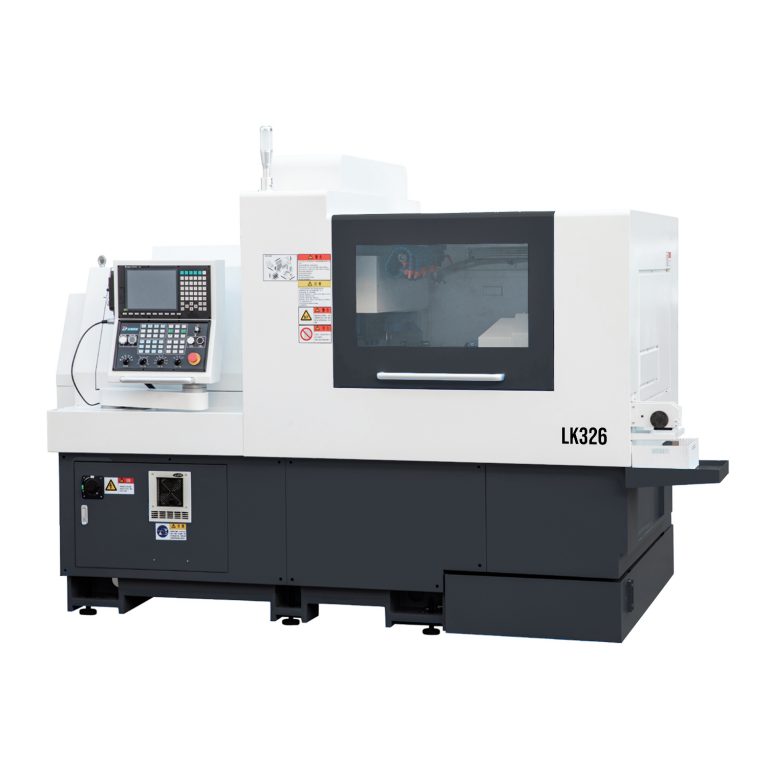
Traditional Solution Flaws in multi tasking cnc machine tools
Why do they still fail at the finish line?
When shops adopt multi tasking cnc machine tools, the promise is fewer setups, fewer handoffs, and shorter lead times. In practice, I notice several recurring flaws: over-complex CAM routines, underpowered spindle systems, and tool turret layouts that create collision or access issues. These are not mystical problems — they stem from mismatched expectations between process engineers and machine designers. For example, a machine with a capable servo motor and high spindle speed on paper can still slow down if the tool turret cannot index quickly enough, or if the control logic forces cautious acceleration to avoid chatter. I’ve watched a cell that should have cut cycle time by 30% instead only gain 5% because of poor turret sequencing and fallback safety parameters. Look, it’s simpler than you think: you need harmony among CAM programming, turret configuration, and feed rate strategy.

Another flaw is human factors and maintenance cadence. Shops assume “multi tasking” means less operator time — but daily checks of chuck alignment and coolant filtration are still vital. Neglect those, and tolerances drift; finish quality suffers. Then there’s the integration problem: linking the lathe’s control with shop MES and tool presetters often reveals latency and communication mismatches. I argue we underestimate the cost of software tuning. Spindle bearings and coolant systems wear in ways that aren’t obvious in acceptance tests; they show up after a few hundred production parts, not on day one. So yes, the hardware can be excellent, but if the control, tooling, and maintenance plan aren’t aligned, the investment underperforms. This mismatch explains why some high-spec turning centers still return to dedicated fixtures and offline operations.
New Technology Principles and Buying Guidance
What’s Next for buyers and engineers?
Moving forward, I focus on principles that actually change outcomes: modular automation, real-time adaptive control, and predictable tool life analytics. New designs favor embedded sensors in spindles and toolholders that feed the CNC control with real-time vibration and temperature data; that lets adaptive feed rate adjustments reduce rejects without manual tuning. When you browse a “cnc lathe for sale” spec sheet — like the ones I review regularly — look beyond horsepower and axis count. Evaluate whether the control supports closed-loop feedback for spindle load and whether the machine can log tool wear trends to a database (so you can plan tool changes before quality slips). These principles cut across hardware: they involve spindle monitoring, chuck accuracy, and integrated CAM post-processors that respect the machine’s dynamics.
From a buying perspective, test for predictability, not just peak capability. Run a candidate machine through your actual stack — the same bar feeder, the same tooling, the same CAM file — and measure cycle time, scrap rate, and mean time between adjustments. Ask the vendor for sample telemetry (spindle load, axis torque, and CNC alarm logs) from similar customers. I recommend short pilot runs with escalating volumes; that reveals thermal drift and wear patterns that bench tests miss. Also, ensure your team can update post-processor settings — if your programmer is blocked, you’ll pay with downtime. Consider this practical checklist: 1) does the control support adaptive spindle/load feedback? 2) is the turret indexing time acceptable for your longest production cycle? 3) can the MES ingest machine telemetry? — small asks, big difference. In closing, weigh speed against measurable precision. If you want to compare vendors, prioritize consistency over raw top speed. For hands-on, informed options, I’ve found reliable partners — including Leichman — that balance those metrics without overselling flash.