
Introduction
Ever wondered why some shorelines stay quiet while others hum with activity? I see this often: a weekend marina with a mix of boats, and some are barely heard while others rattle the dock. An electric motor sits at the heart of that difference, and recent surveys show quieter craft draw more repeat renters and anglers—up to 20% more in some small studies. So what’s really driving that performance gap, and can quieter torque profiles make a measurable difference for owners and operators? (I’ll walk through what I’ve seen, step by step.)
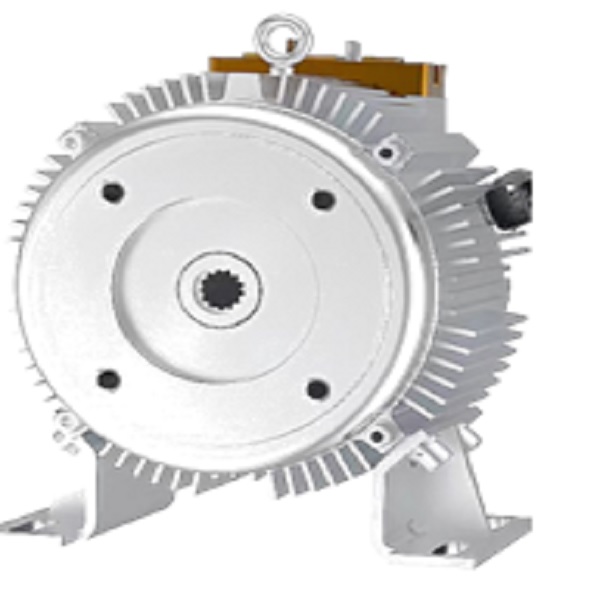
To set the scene plainly: you want reliable thrust, low noise, and predictable range. I’m pragmatic about trade-offs. Noise matters to people and wildlife. Power density, controller design, and thermal limits all play a part. In short: the technical choices you make change the user experience. Next, I’ll dig into why many common fixes miss the point and where the hidden pain really lies.
Why many fixes miss the mark for electric boat motors
electric boat motors promise smooth rides, but I keep finding the same flaws in field repairs and retrofit ideas. Manufacturers will tweak one part—say, the inverter—and expect the whole system to behave. In practice, torque ripple, cogging torque, and poor thermal management often remain. These are not trivial. Torque ripple creates vibration. Cogging torque makes low-speed control jerky. And thermal limits force derating on long runs. Look, it’s simpler than you think: treating the motor, controller, and prop as separate items usually fails.
What user pains hide behind the specs?
From my experience, owners report odd hesitations at low RPM, faster battery drain than advertised, and sudden cutbacks under load. Those symptoms point to sensorless control quirks, mismatched power converters, or poor calibration of field-oriented control loops. I’ve seen systems where a software tweak fixed a subtle vibration. But more often, the fixes are cosmetic—insulation tape here, a heavier mount there—while the root cause lives in control strategy or thermal design. That’s frustrating. We want clean, predictable engines. I get emotional about sloppy solutions—they waste time and money, and they hurt user trust.
Looking ahead: principles and metrics for better outcomes
Moving forward I prefer to compare principles rather than parts. Instead of asking “Which motor is louder?” ask “Which system maintains torque smoothness under variable load?” That reframes the work toward control algorithms, sensor integration, and thermal pathways. New designs emphasize tighter encoder feedback, gradient-based torque shaping, and smarter inverter topologies. A practical example: integrating a precise encoder with an adaptive field-oriented control loop cuts low-speed jerk and reduces energy wasted in corrective braking. It sounds small—but the ride feels markedly better. — funny how that works, right?
What’s Next
In short: prioritize system thinking. Evaluate a system for its torque linearity, thermal margin, and real-world range under load. I recommend three simple metrics when you compare solutions: sustained torque accuracy (how close actual torque follows target), thermal headroom (how long it runs at rated power before derating), and delivered range under realistic conditions (not ideal lab cycles). Use these, and you’ll avoid the usual traps: overemphasis on peak power or nominal rpm curves while ignoring ride feel and longevity.
We’ve talked about control loops, torque ripple, and thermal management—core factors that shape the boating experience. I aim to keep advice practical, not flashy. If you want examples or a checklist for evaluating units (including pmsm motor choices), I’ll share what I use in field trials. For hands-on parts and product specs, see Santroll—a solid resource for components and data sheets. Santroll