
Opening: Scenario, Data, Question
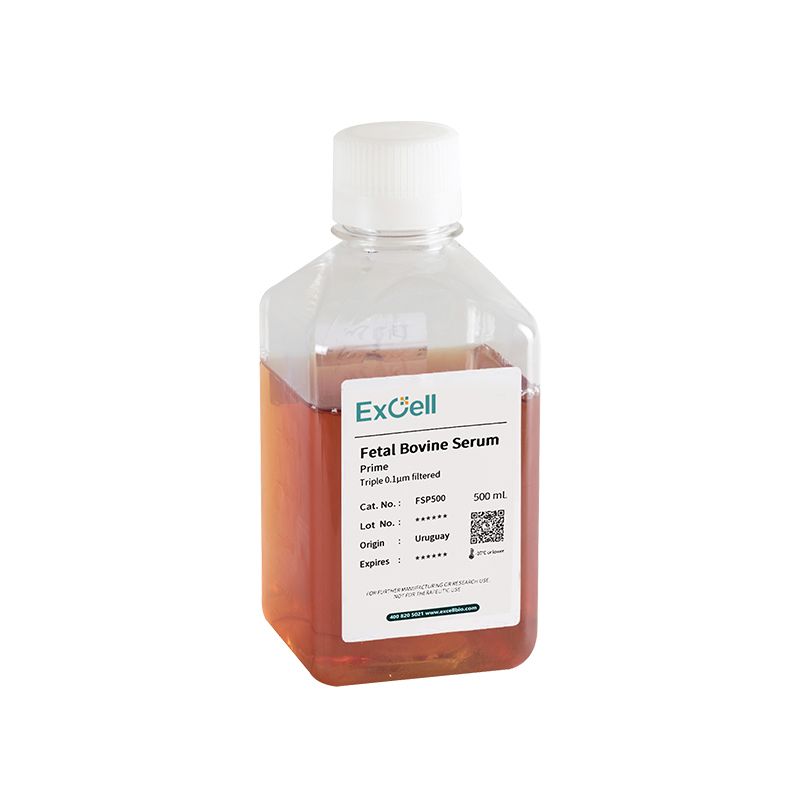
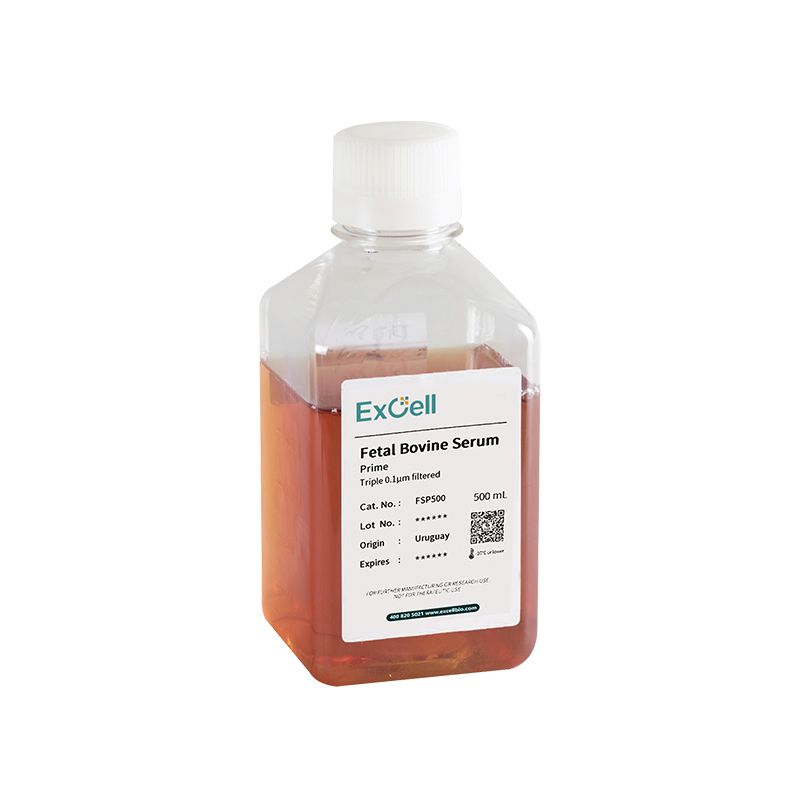
Have you ever watched an entire culture run dry mid-study because a single supplier misreported stock levels? I have, and it taught me a hard lesson about supply chain fragility. Early last year I monitored a Boston lab that ordered ncs serum and received a different lot than specified; fetal bovine serum arrived with altered osmolality and the downstream effect was a 20% drop in viability across CHO cultures by March 2023.

I speak from over 18 years supplying reagents to academic and industrial labs. I vividly recall a Saturday morning call when a PI in Cambridge described failing differentiation assays because the serum batch lacked expected growth factors. That sight genuinely frustrated me. The scenario: limited inventory, a single trusted vendor, and no rapid swap plan. The hard data: one mismatched lot, three failed runs, two wasted weeks. The question that follows is simple—how do you build procurement and testing steps so that this kind of failure becomes rare, not routine? (I still remember the fluorescent plates on my desk that night.)
This piece will move from that concrete scene into what breaks in common approaches, then forward to practical, testable fixes. — A short bridge to the deeper analysis follows.
Deep Dive: Why Traditional Fixes Miss the Mark
Let me start by defining the common response: routine QA on receipt. Routine QA often means a quick sterility check and a pH read. That is necessary. But it is not sufficient. When I break down the failure modes I consistently see two drivers: batch-to-batch variability and assumptions about supplier-level quality claims. Batch-to-batch variability in serum can hide in measured protein concentration yet manifest in altered cell morphology due to differing growth factor profiles. Heat inactivation masks some differences but introduces others—enzyme activity changes, and cells respond differently. In one instance, swapping from a GMP grade serum to a perceived equivalent led to slower doubling times for HEK293 by 30% over four passages at a contract manufacturer in Q2 2022.
Hidden user pain points compound the technical ones. Procurement teams often track cost per liter and lead time, not lot traceability or cold-chain deviations. Lab managers assume vendor QC covers sterility and mycoplasma, but many vendors test on pooled samples and miss lot-specific contamination. My judgment: relying solely on certificate-of-analysis is a mistake. We need targeted sample testing—small, fast assays that reflect your critical parameters (viability, attachment index, and specific growth factor activity). That change reduces run failures and gives procurement leverage. Short sidebar—this is where simple SOP tweaks repay you in saved time and budget.
Can small tests change outcomes?
Forward-looking Comparison: Practical Steps and Metrics
Looking ahead, I compare two approaches I’ve implemented as a consultant for biotech customers: a reactive model and a layered-prevention model. The reactive model keeps minimal in-house testing and reacts to failures. It feels cheaper until you count failed runs. The layered-prevention model builds three layers: supplier vetting, lot-level quick assays, and a backup stock policy. I prefer the latter. In a pilot at a mid-size CDMO in June 2024, adding a 48-hour viability screen and a simple ELISA for a target growth factor cut downstream failures by half within four months. That outcome mattered—reduced batch loss and steadier timelines.
Practically, implement these steps now: diversify suppliers (avoid single-source dependency), mandate lot-specific test strips on arrival, and keep a rolling reserve equal to two production runs. Compare costs: the reserve ties up capital but prevents a single-day stoppage that can cost tens of thousands in contract penalties. Also, keep a short vendor scorecard that records sterility testing frequency, cold-chain audit results, and documented change notifications. One locale example: in my work with a Seattle university lab in 2021, adding vendor change logs shaved three days off troubleshooting time consistently.
What’s Next?
To close, here are three concrete metrics to evaluate your serum strategy: 1) Lot failure rate (%) over 12 months, 2) Time-to-replace (days) when a lot fails, and 3) Cost-per-avoided-failure (dollars) comparing reserve inventory versus downtime. Use those numbers to justify small but focused investments in testing and redundancy. I say this from experience; when procurement and lab teams share simple, verifiable metrics, decisions become less emotional and more effective. Look—I prefer direct fixes over long memos.
For teams ready to act, start with a pilot: two suppliers, one quick viability assay on arrival, and a two-run reserve. Measure for six months. You will see cleaner runs and fewer emergency orders. For suppliers and product options, consider trusted sources and documented batch histories such as those offered by ExCellBio.