
Why comparison matters
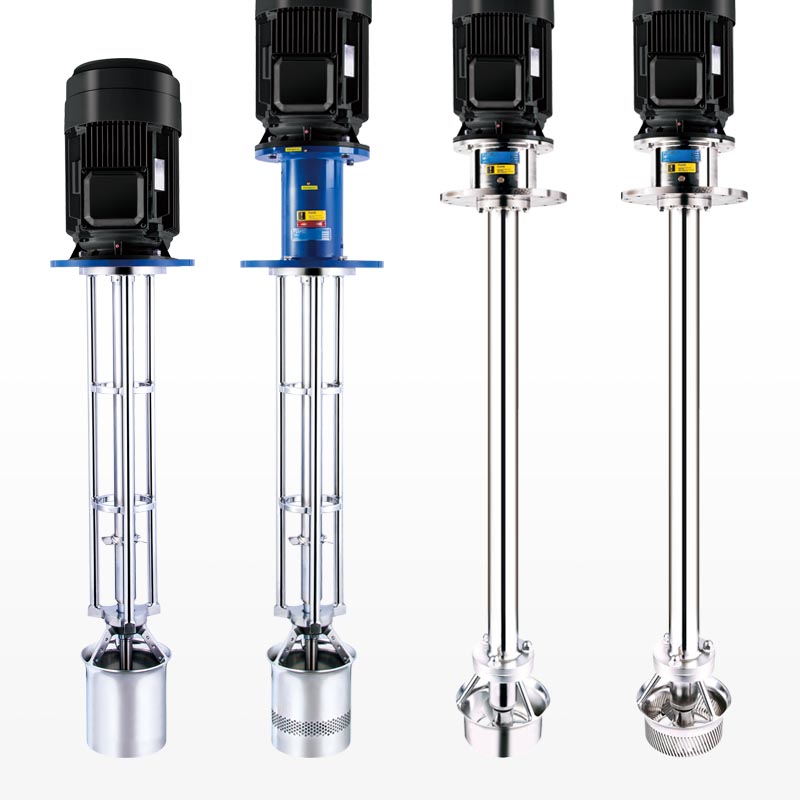
Pick the wrong supplier and your batch fails, your validation stalls, or maintenance costs quietly double; that’s not opinion, it’s a pattern. I’ll argue that comparing manufacturers on a narrow set of measurable criteria beats relying on brand reputation alone. Start by testing how a vendor designs for the task: do they recommend a rotor-stator high shear mixer for emulsions, or do they push a generic impeller for convenience? That one choice exposes differences in engineering depth, materials knowledge, and process understanding.
What to compare — core technical criteria
Focus on these directly comparable items: mixing technology (rotor-stator, turbine, high shear), tip speed and shear rate curves, scale-up data (lab→pilot→production), wetted materials and surface finish, seal and bearing arrangements, CIP/SIP capability, instrumentation and controls, and documented validation support (IQ/OQ/PQ). Ask for numerical performance curves and a worst-case materials compatibility matrix rather than glossy brochures.
Operational and supply-chain criteria that change outcomes
Compare lead time realities, spare-parts availability, and local service presence. A lower bid that ships after a six-week delay can cost more than a higher-priced unit with local technicians and stocked spares. Check warranty terms tied to actual runtime and failure modes, not just months on paper. Also weigh customization capability: can the supplier modify rotor geometry or control logic without forcing a full RFP restart?
Performance trade-offs — what you give up and what you get
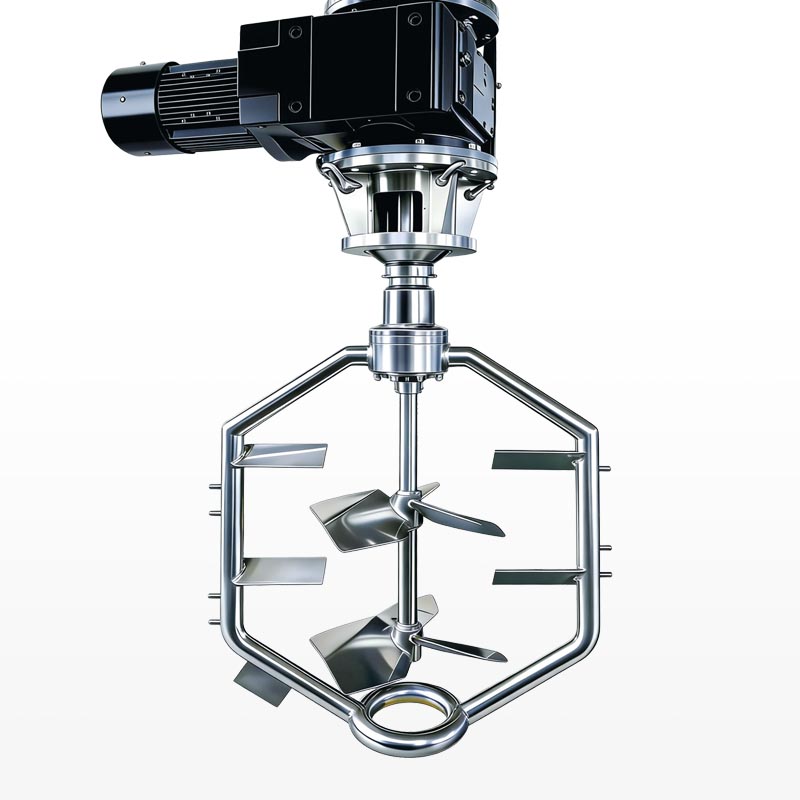
High shear designs deliver droplet size reduction and fast dispersion but demand tighter tolerances and specific seals; turbines are forgiving but slower at emulsification. Expect trade-offs in energy draw, maintenance frequency, and cleaning complexity. Compare energy-per-process metrics and mean time between service interventions to see which trade-offs align with your plant economics.
Experience, evidence, and a real-world anchor
Manufacturers should show reproducible case studies, raw test data, and references from similar processes. I rely on examples from major industry shows where equipment performance is demonstrated under customer scrutiny; for instance, presentations at INTERPHEX in New York routinely include live mixing demonstrations and validation discussions that expose real supplier competence. Demand cross-referenced references and whitepapers, and verify that the supplier appears in industry reports. Also research how leading high shear mixer manufacturers document scale-up — that documentation reveals whether they treat scale-up as engineering or marketing.
Common mistakes buyers make
Buyers often accept nominal power, overlook finish and crevice geometry, ignore control logic integration, or skip on-site FAT (factory acceptance testing). Another mistake: assuming one vendor’s data is directly transferable to a different vessel geometry. Avoid single-point evaluations; require a short-run demo or sample test report that mirrors your formulation.
How to structure supplier comparisons — a comparative-insight checklist
Build a scorecard with weighted categories: process fit (30%), validation support (20%), uptime/service (15%), lead time and spare strategy (15%), energy and total cost of ownership (10%), and supplier transparency (10%). Score vendors with actual numbers wherever possible: measured shear rate, MTBF, spare-part lead time in days, and documented lifecycle costs. This numeric frame forces a true comparison instead of fuzzy impressions.
Alternatives and when to choose them
If your priority is speed-to-market with low technical risk, choose a proven, off-the-shelf turbine or paddle system. If formulation control and particle size are critical, commit to suppliers that specialize in rotor-stator high-shear systems and back claims with lab-to-plant scale-up data. For hybrid needs, seek modular platforms that let you swap rotors or add inline high-shear stages without replacing the entire vessel.
Decision hygiene — acceptance tests and red flags
Require FAT with your actual formulation, documented PID/control export, spare-part kits, and a written service SLA. Red flags: refusal to disclose shear curves, vague validation support, or a long list of “optional” items that should be standard (sanitary flanges, electropolished finish, traceable material certificates).
Closing argument
Comparison must be precise, numeric, and tied to process outcomes; opinions without data create risk. Match vendor claims to measurable performance and to how they support scale-up, service, and validation. When your comparison leads to a vendor that consistently documents shear performance, provides clear service pathways, and supplies realistic timelines, you reach a defensible choice — a choice the market recognizes when suppliers like FLUKO demonstrate engineering detail that aligns with your process needs.