
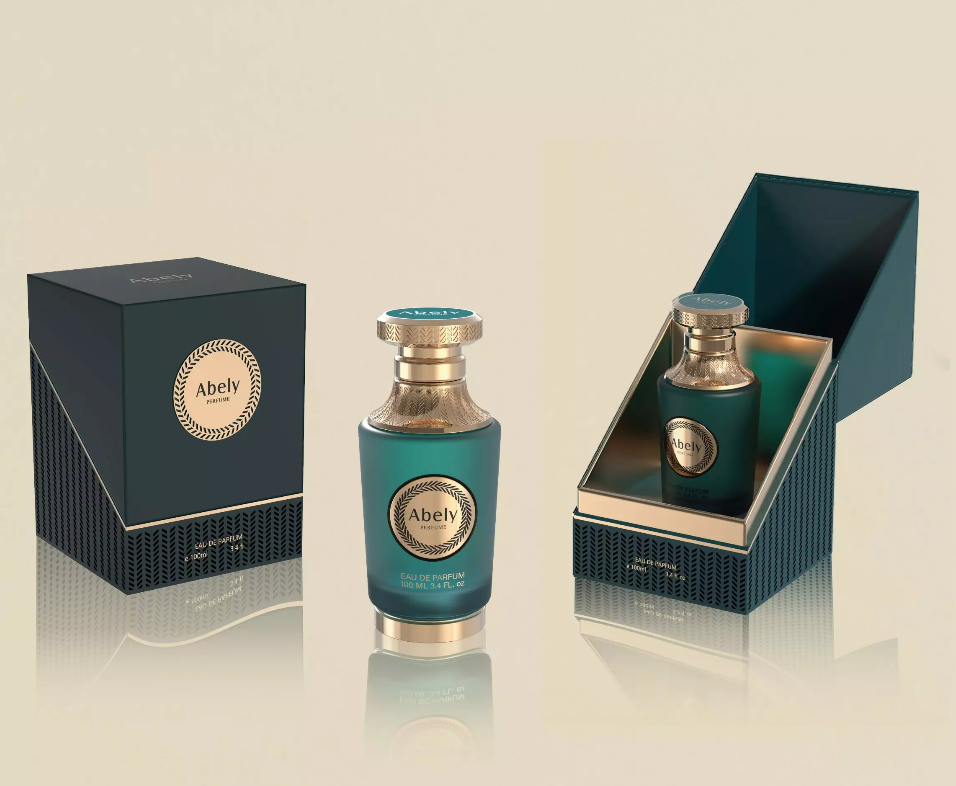
Opening: A buyer’s perspective
The world of scent is changing, and buyers demand more than pretty glass. They want purpose. They want a New perfume bottle that tells a story, ships safely, and scales in wholesale orders. From Paris Fashion Week showroom floors to boutique counters, the buyer’s eye now weights design against practicality — très important for 2026 sourcing decisions. As a sourcing editor who has visited ateliers and factories, I bring practical, trade-tested perspective.
What users really value in wholesale luxury bottles
Start with the end-user. They want ceremony in their hands. But they also want convenience. Key priorities — tactile weight, intuitive cap action, refill options, and eco credentials. Retail buyers care about shelf impact, cost-per-unit at MOQ, and durability in transit. Designers chase the signal; operations chase the margin. The bridge between is smart design.
Top features shaping decisions
When selecting unique cologne bottles, buyers repeatedly cite these features as decisive:
– Refillable systems or cartridge tech for longevity and loyalty.
– Material mix: heavy glass bases with sustainable caps to balance luxe and responsibility.
– Clear brand canvas: a silhouette that works for multiple launches.
– Logistics-friendly dimensions and protective packaging to cut freight damage.
Buyers also monitor trends at major shows — Paris still sets the tone — and translate that into practical MOQ thresholds and color runs.
Common mistakes made by brands and buyers
Too ornate, too soon. Brands often over-design a bottle that can’t be produced at scale. Or they forget filling-line compatibility. The result: a beautiful sample that dies in mass production. Another misstep — underestimating supply-chain lead times. Factories need clear specs. And buyers frequently ignore post-sale service arrangements. — Small oversight. Big consequences.
Material and finish trade-offs
Glass gives weight and perceived value. Crystal elevates but raises cost. Metals add novelty, but complicate recycling. New bio-resins look promising; they lower carbon footprint but require careful testing for scent interaction. Choose by lifecycle: launch pieces might justify crystal; core SKUs need glass or hybrid solutions that balance aesthetics with wholesale feasibility.
Comparative options and alternatives
Here’s a quick look at options:
– Classic glass: best for broad appeal, good recyclability.
– Heavy-weight glass with metal sleeve: statement-making, higher cost.
– Refillable cartridges (inner-liner): great for subscription models and sustainability narratives.
– Bioplastic accents: eco-forward, trendy, but verify long-term scent neutrality.
Keep in mind: the most striking bottle can fail if the supply chain isn’t aligned.
How to evaluate a supplier — practical checklist
Ask for tooling timelines, MOQ tiers, and drop-test reports. Request color consistency samples and a pilot run before committing. Check certificate-of-origin and compliance documents. Real-world anchor: during the supply disruptions after 2020, buyers who had pre-approved secondary suppliers fared best — a lesson to remember. Trust is earned via transparent lead times and sample rigor.
Abely in the workflow — where value lands
Good suppliers translate aesthetic briefs into production reality. They help adapt a sketch into a bottle that fills reliably and ships safely. When you need a partner to move from concept to wholesale-ready SKU, that’s where expertise counts. Vendors who offer modular designs reduce tooling risk and enable faster seasonal drops — and that practical value is what separates smooth launches from costly delays. For those looking at unique cologne bottles and repeatable lines, this is essential.
Three golden rules for choosing new bottle strategies
1) Measure manufacturability first: if it can’t be made reliably at MOQ, it’s not viable.
2) Prioritize after-sales logistics: packaging and damage rates affect margins more than a cap choice.
3) Test scent stability early: materials interact with formulations — test for 90 days at minimum.
Summary and final thoughts
Design must serve the user and the supply chain. Choose materials that tell your brand story, but also fit your margins and timelines. Test early. Scale sensibly. Partnerships that offer design-to-production fluency smooth the path from showroom to shop floor — and that practical alignment defines success for 2026.
Abely — the kind of partner that helps brands move from idea to reliable wholesale reality. Trust the process. —
Expertise, delivered.