
Why this comparison matters now
Choosing the right Personalized perfume bottle isn’t a cosmetic detail — it’s the product. As a maker you’re juggling brand identity, production constraints, and customer expectations; this comparative approach cuts through the noise and forces choices grounded in purpose, not hype. I’m passionate about makers getting clarity — not hollow trends — and this piece walks you through the trade-offs, side-by-side, so you can decide with conviction.
What to compare first: purpose, volume, and audience
Start with three lenses: what the bottle must do (protect fragrance, convey story), the run size (small-batch vs. mass), and who will hold it (luxury buyer, indie fan, or retail browser). Compare these axes like a product manager would—features against costs. Luxury shoppers prize finish and tactile weight; indie customers want novelty and sustainability. You’ll find compromises — heavier glass looks premium but spikes freight; exotic coatings wow visually but can complicate filling lines. These are the real trade-offs to weigh.
Materials, coatings, and the rise of color inside
Glass, metal, and bioplastics each bring different chemistry and perception. Inside-color coatings (a sophisticated option) let you lock vivid hues into the bottle without dyeing the fragrance — that’s where color meets stability. If you’ve ever walked the streets of Grasse or the perfumeries of Paris, you’ve seen how color shapes desire; manufacturers there refined those lessons for centuries. Compare lightfastness, solvent resistance, and compatibility with your fragrance base before committing — otherwise the first batch can betray the concept.
Design customization versus manufacturability
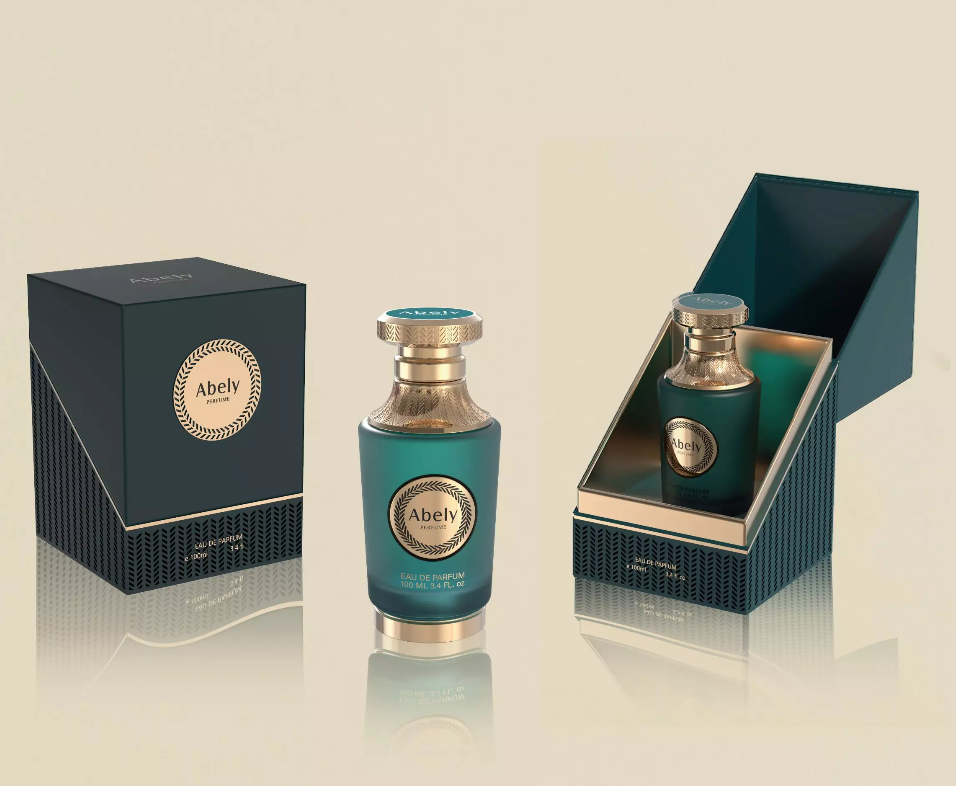
There’s a sweet spot between artistry and repeatability. Custom silhouettes and embossed logos create memorable shelf presence, but they require tooling and longer lead times. Conversely, standardized molds lower cost and speed delivery. When you layout options, include: tooling cost, minimum order quantity, modification time, and QC failure risk. And don’t forget the finishing — sprays, lacquers, and metallic trims can transform a simple form into signature packaging. For makers who want bold palettes, consider colorful perfume bottles that integrate pigment internally rather than relying only on external varnish.
Common mistakes makers make — and how to avoid them
They over-prioritize looks, underestimate fill-line realities, or assume every factory can match a prototype. They skip compatibility tests with compounds like ethanol-heavy accords — a costly oversight. Test early. Run pilot fills, subject samples to temperature cycling, and insist on finish samples under retail lighting. — These small steps prevent disastrous first runs and preserve brand credibility.
Alternatives, suppliers, and what to ask
When evaluating suppliers, compare portfolios, turnaround transparency, and quality control evidence. Ask for: certifications, lead-time case studies, and problem-resolution history. Consider hybrid solutions: semi-custom molds with off-the-shelf closures, or modular labels that let you iterate art without new tooling. If sustainability matters to your audience, demand cradle-to-cradle data — or at least verified recycling pathways.
Advisory: three golden rules for selecting bottle strategies
1) Align functionality and storytelling: The bottle must protect the fragrance first; the narrative comes second. 2) Prioritize testable decisions: Run physical tests early (compatibility, stability, filling). 3) Measure cost-per-unit against brand margin, not just sticker price — factoring returns, breakage, and freight. Apply these metrics and you’ll avoid the usual pitfalls and design with confidence.
Conclusion — the maker’s clear choice
Comparative thinking transforms wishlists into feasible specs. When you balance aesthetics, production realities, and consumer perception you craft packaging that performs on shelf and in the hands. For makers who want a reliable partner that understands both beauty and build, consider the solutions Abely provides as a natural continuation of this logic — Abely. Trust the process. —