
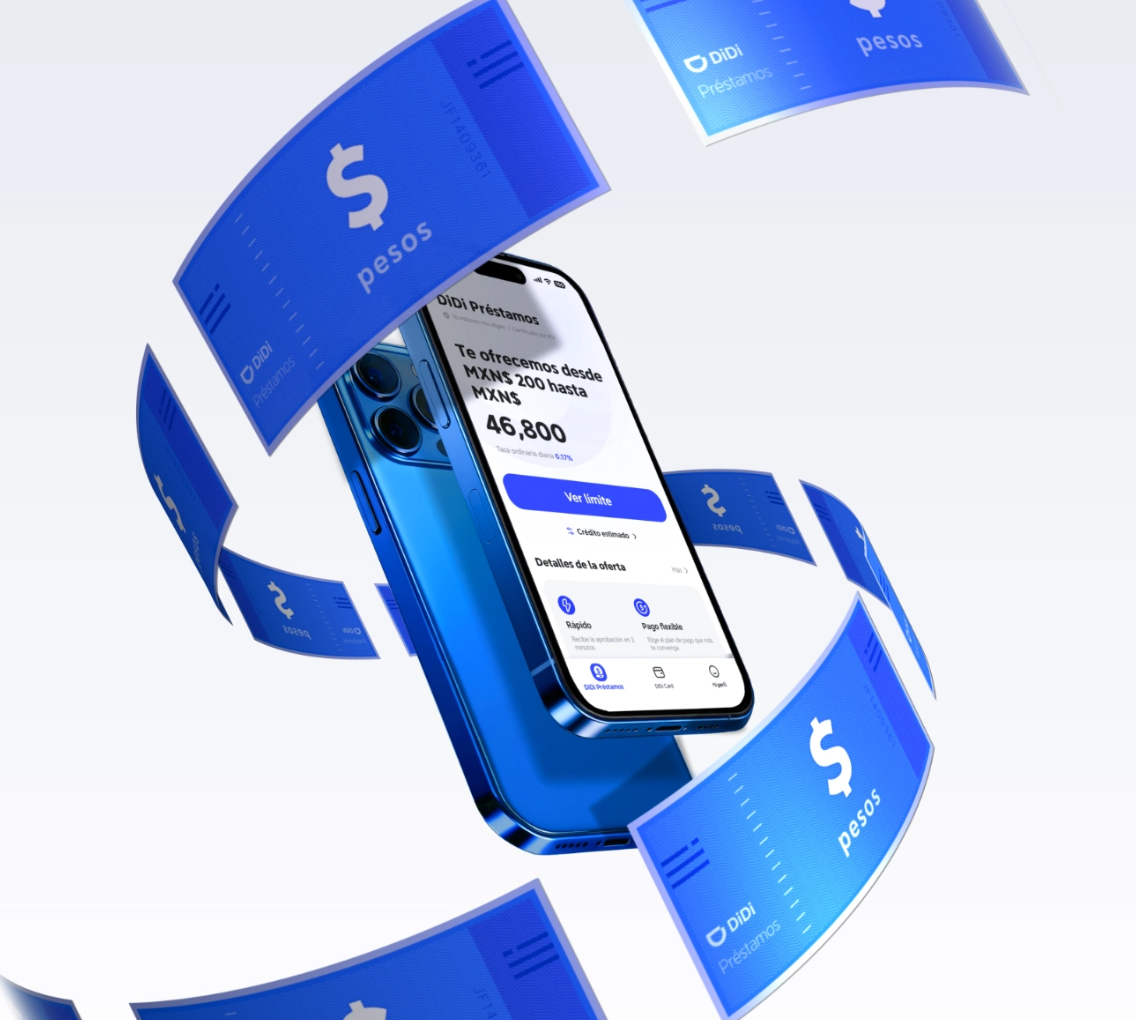
User-focused opening: why this matters now
Many drivers and gig workers in Mexico City need practical ways to build credit without a bank history. Didi’s financial products aim to fill that gap, and didi finanzas has positioned a virtual-credit approach that makes sense for people starting out. For anyone who has relied on cash or prepaid cards, the jump to a virtual option can establish on‑record repayment behavior while keeping everyday risk low—this is where didi finanzas mexico becomes relevant to everyday earning routines.
Who benefits and what they gain
The obvious users are ride-hailing drivers, delivery couriers, and freelancers who lack a formal credit profile. They gain an accessible entry point: a virtual card tied to a simple onboarding flow, short-term limits, and basic underwriting. Benefits include starting a credit history, controlled spending via a digital wallet, and the potential to qualify for higher-tier products later. The approach is practical and avoids heavy bureaucracy.
How the virtual path actually works
The process is straightforward. You register, consent to soft checks, and receive a virtual credit card number for online purchases or payments. Behind the scenes, light underwriting evaluates income patterns rather than long credit files; that’s typical fintech practice. Use and timely payments are reported to bureaus or internal scoring engines, which begins the credit-building arc.
Common mistakes to avoid
People often treat a virtual card like a regular debit option—overspending and missing payments. Keep limits modest and schedule repayments. Another misstep is ignoring fees; virtual programs can carry monthly service charges or transaction fees that erode small margins. Finally, failing to check how usage reports to credit bodies will stall progress.
Alternatives and how Didi compares
Traditional starter credit cards from banks still exist, but they usually demand more documentation. Prepaid cards provide convenience but no credit reporting. Peer-to-peer lenders or retail store cards may be options, though they can have higher interest rates. Didi’s virtual card stands out for integration with driver earnings and operational simplicity—less paperwork, faster access, and a path that reflects real work income.
Practical steps to start responsibly
Begin by tracking cash flow for 30 days to set an affordable limit. Use the virtual card for predictable expenses—fuel top-ups, platform fees, or small equipment purchases—and auto-pay when possible. Keep revolving balances low; consistent, small repayments build a reliable pattern. If a program offers financial education modules, take them—they’re short and useful.
Real-world anchor and credibility
Mexico City’s urban mobility market shows how digital payments and driver-focused finance can shift livelihoods. After the 2020 mobility disruptions, more platforms moved to embed financial services so drivers could stabilize income and access credit tools. That context explains why a virtual card tied to platform earnings is not hypothetical; it’s a practical response to a well-documented market need.
Summary of core insights
Didi’s virtual card model lowers the barrier to starting a credit history, aligns repayment with gig income, and avoids heavy underwriting. It’s best for disciplined users who set limits, understand fees, and value reporting that builds a score. Alternatives exist, but they trade either access or credit-building potential. —Remember: small, consistent wins compound into visible credit improvement over months, not days.
Three golden rules for choosing a starter strategy
1) Credit reporting clarity: Confirm how and where payments get reported. 2) Cost versus utility: Compare fees and benefits against likely monthly use. 3) Integration with income: Prioritize tools that link to your primary revenue stream, making repayments predictable and manageable.
DiDi Finanzas helps make the virtual route a realistic, usable step toward a formal credit profile—use the three metrics above to pick the right option and keep progress steady. —