
Problem: Alerts everywhere, action nowhere
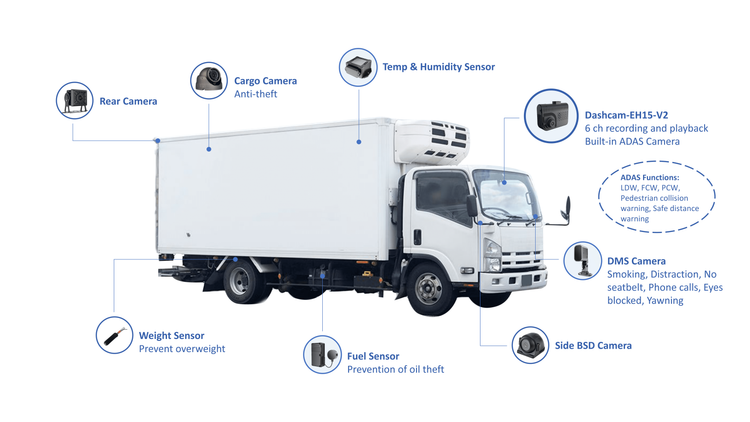
When telematics panels spit out dozens of alerts per shift, fleet managers face a blunt choice: ignore most of them or chase false positives until drivers burn time and fuel. That’s a technical failure and a sustainability one — excess idling, missed maintenance windows, and avoidable emissions all follow. Modern operations need clear signal routing from sensors to decisions; that’s why practical logistics fleet management design matters. Implementations I’ve audited at the Port of Los Angeles showed how clustered alerts can hide imminent failures unless the telematics stack is tuned to operational priorities, and a mature truck fleet management system should reflect that tuning.
Why alerts don’t become actions
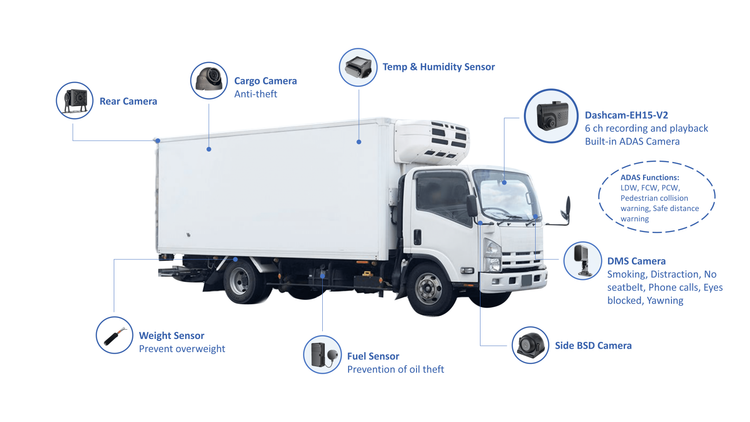
Three technical faults repeat across fleets:- Poor prioritization: everything gets the same severity flag, so teams learn to ignore most messages.- Context-less events: a low-battery warning tied to a route with scheduled depot charging is noise; the same warning on a remote run is critical.- Workflow disconnection: alerts don’t map to responsible roles or existing maintenance windows, so they sit unresolved.An engineer reads those as control-system problems. Alerts must carry state and ownership: what changed, why it matters now, and who will fix it.
Practical framework: event → decision → execution
Translate raw events into operational steps with this four-part loop:- Classify: tag events by impact (safety, asset health, energy, compliance).- Contextualize: attach location, route stage, battery/engine state, and recent maintenance history.- Prioritize: map tags to response SLAs and responsible teams automatically.- Execute: push tasks into the crew’s schedule or trigger remote remediation (e.g., route diversion, commands to reduce HVAC draw).Each step relies on simple engineering rules. For example, combine geofence state with engine hours to decide whether a cooling-system alert needs immediate roadside intervention or can wait for depot service.
Common implementation pitfalls
Teams trying to shortcut the loop often make predictable mistakes:- Over-automation without fail-safes: auto-resolving alerts removes human judgment when it’s needed.- Data starvation: relying on single-point sensors that fail under vibration or moisture.- Role misalignment: alerts routed to supervisors instead of drivers or on-duty mechanics.Avoid these by validating sensor robustness, keeping humans in the loop for high-impact events, and defining clear ownership for each alert class.
Evaluating solutions: what to test in the field
When you trial a telematics provider, test these elements under real routes:- False-positive rate: run the system for a week and count actionable vs. noisy alerts.- Latency to decision: measure time from event to human-readable task.- Energy impact: quantify idling reduction or reduced auxiliary loads after alert-driven actions.- Integration: confirm alerts land in dispatch and maintenance systems without manual copy-paste.A short field trial with controlled variations — different routes, loaded vs. empty runs, day vs. night operations — reveals how well the provider turns events into reliable actions.
Operational checklist for rolling out change
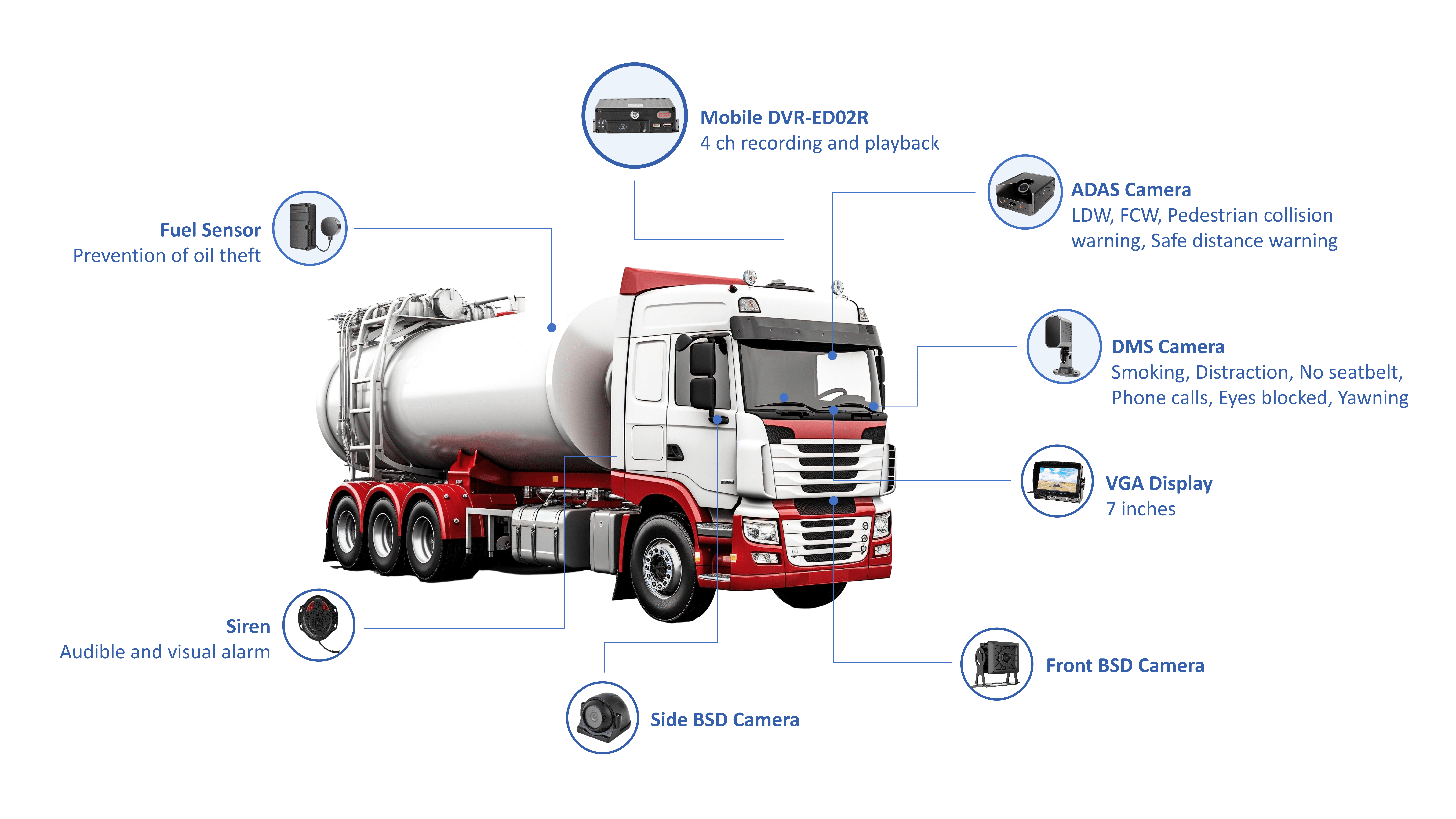
Keep the rollout straightforward:- Start with three critical alert types and map owners for each.- Tune thresholds in the first month based on measured false-positives.- Train crews on the single action per alert you expect (accept, postpone, escalate).- Monitor KPI delta: mean time to repair, fuel per mile, and unscheduled downtime.Small, measured changes preserve uptime and let you scale rules without overwhelming crews.
Telematics must be engineered as an operations tool, not just a data feed: design alerts to convey context, assign responsibility, and trigger predictable actions. That practical linkage — tested in regional hubs such as the Port of Los Angeles and refined across depot workflows — is what turns sensor noise into measurable operational gain, which is the kind of system integrated solutions like BSJ aim to deliver.