
Comparative premise and practical lead
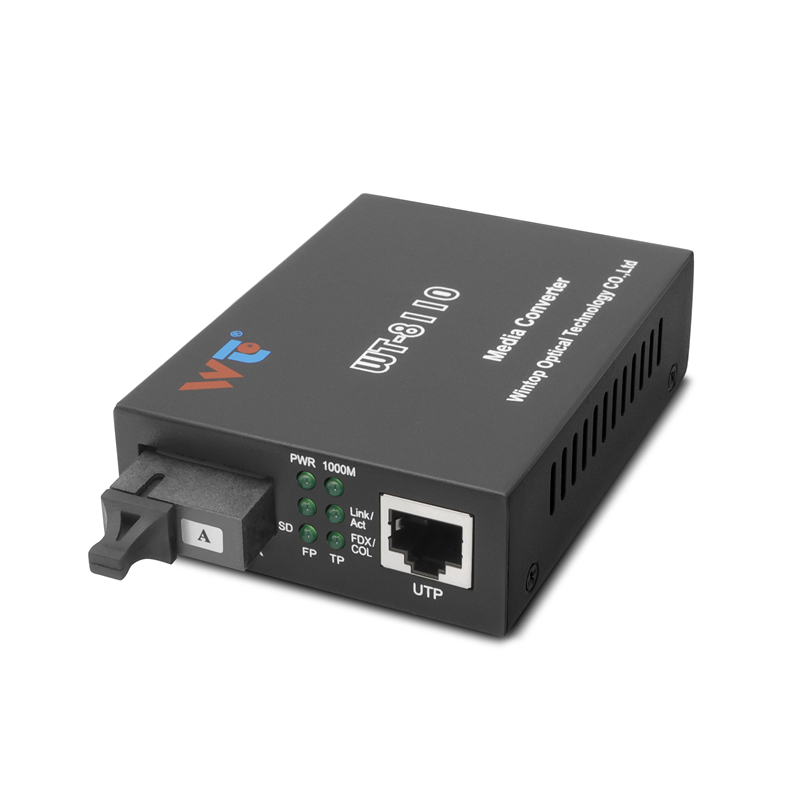
In many networks, the choice between SFP standard transceivers and vendor-specific optical modules determines long-term cost and flexibility. This comparative insight examines the trade-offs using clear criteria and field-tested tactics; it also points engineers to interoperable devices such as a gigabit fiber media converter when fiber span or legacy copper links require conversion. The analysis is grounded in common practice among data center operators and in the IEEE 802.3 guidance that governs Ethernet physical layers.
Standards strength: what SFP buys you
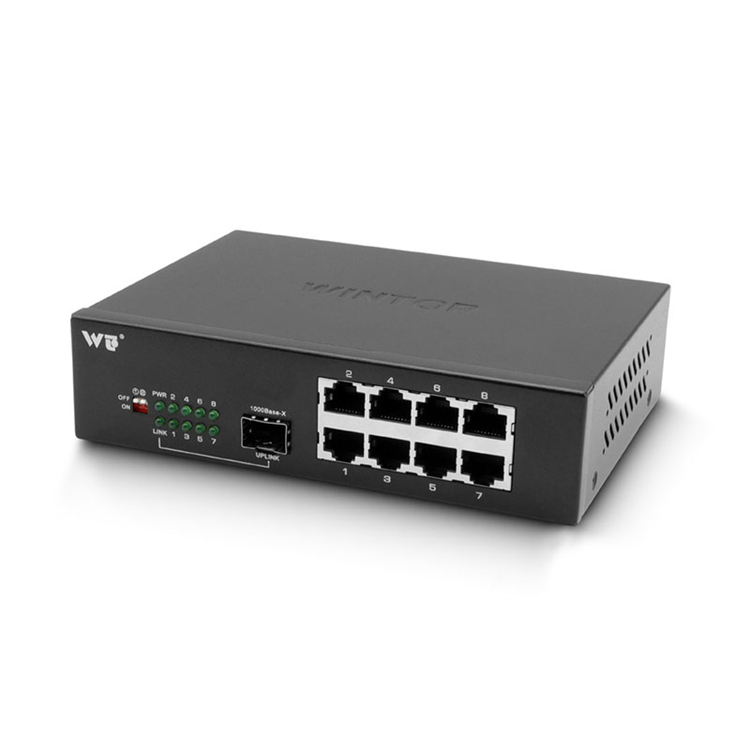
Using SFP-compliant transceiver modules enforces a predictable interface. Equipment from different switch vendors accepts the same SFP electrical pin-out and optical specifications, so optical module swaps are straightforward. For sites near financial hubs like Singapore’s data center clusters, this interchangeability reduces downtime and vendor negotiation friction. The benefits are concrete: lower spare-part inventory, straightforward procurement, and consistent DDM telemetry when modules report diagnostics in standard formats.
Proprietary coding: costs and hidden constraints
Proprietary optics may include firmware locks, unique identification codes, or custom PMA/PMD behaviors that are only validated on the vendor’s platforms. The immediate risk is vendor lock-in: support, maintenance, and price-setting concentrate with one supplier. Over time, this constrains upgrade choices and complicates multi-vendor topologies. Operationally, patching a proprietary optical module often means coordinating with the vendor’s support team—this increases mean time to repair when outages occur.
Compatibility checklist for constrained environments
Before you accept a non-standard module, validate these points:
– Physical and electrical conformance: confirm SFP form-factor and SFF-8472 signaling where applicable.
– Optical parameters: verify wavelength, launch power, and receiver sensitivity match link budget needs.
– Diagnostics and monitoring: ensure DDM (Digital Diagnostics Monitoring) fields are present and readable by your NMS.
– Interoperability matrix: test the module across the specific switch OS versions and firmware you run—vendors sometimes change behavior across releases.
Migration strategies and common deployment mistakes
When replacing proprietary optics, plan an incremental migration. Start with non-critical segments and log observed faults and link flaps. Maintain a parallel inventory of certified SFP modules and a simple lab testbed for live insertion trials. Many teams underestimate firmware mismatches—this is where most surprises occur. — Keep a short rollback plan ready so production traffic can revert in minutes.
Alternatives and where media converters fit
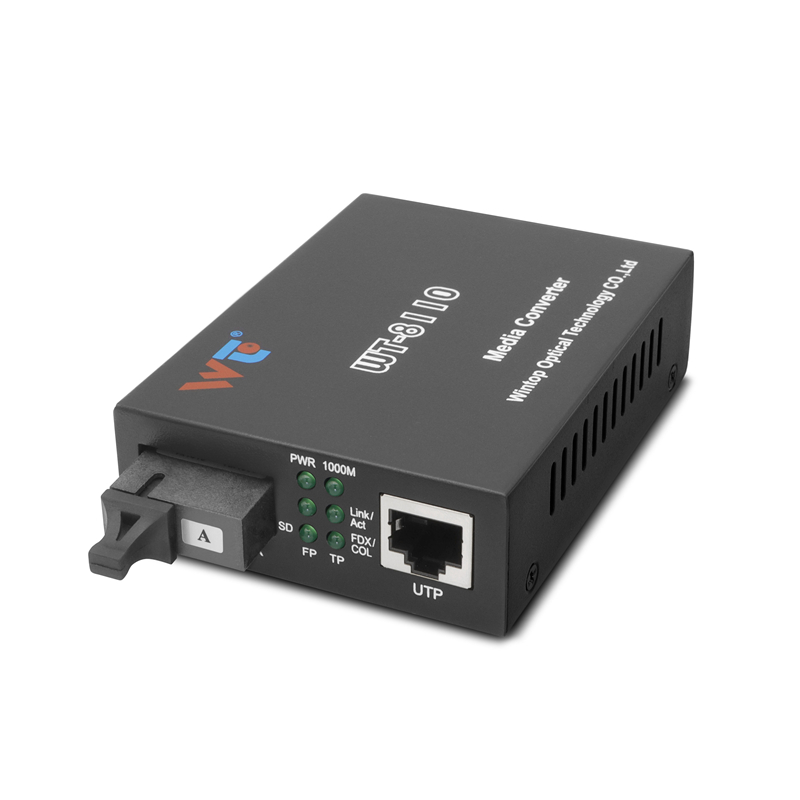
Sometimes the fastest path out of lock-in is not replacing every transceiver at once but inserting a protocol break with a media converter. A well-chosen 1000m media converter can bridge older copper runs to fiber or isolate vendor-specific optics behind a neutral link. This tactic reduces immediate capital outlay and lets you standardize incrementally.
Evidence and credible anchors
Industry experience and the IEEE 802.3 standard both favor clear electrical and optical specs to enable multi-vendor ecosystems. Large-scale operators publish interoperability matrices and case studies showing cost savings after standardizing on SFP modules. These real-world anchors validate the approach: standardization reduces spare-part diversity and simplifies troubleshooting across geographically distributed sites.
Advisory: three golden rules for choosing open optical hardware
1) Test-first metric: Always validate any module in your exact hardware and firmware combination for a minimum of 72 hours under expected traffic patterns. This test period reveals micro-interoperability faults that short stress tests miss.
2) Monitor-first metric: Require DDM telemetry and integrate it into your monitoring system so you can detect power drift, temperature shifts, and Rx/Tx errors before they escalate.
3) Total-cost metric: Calculate five-year TCO including spare inventory, support overhead, and vendor escalation time—not only purchase price. Choose the option with the lowest operational friction.
Adopting standards-based SFP modules and using neutral devices such as media converters reduce vendor dependency and give technical teams more control. Practical steps matter — small lab tests, DDM monitoring, and clear TCO metrics. WINTOP. —