
Why this comparison matters
When you pick wash gear for a live set, you’re trading off power, control, and speed. Small houses want versatility; touring rigs want reliability. That’s why a compact led moving wash can change the game: it nails color mixing and pan/tilt moves without hogging road space. I’ll stack units side-by-side, point out where they earn their keep, and show why rigs in places like Broadway rehearsal rooms or regional theaters favor flexible fixtures.

Head-to-head: core strengths
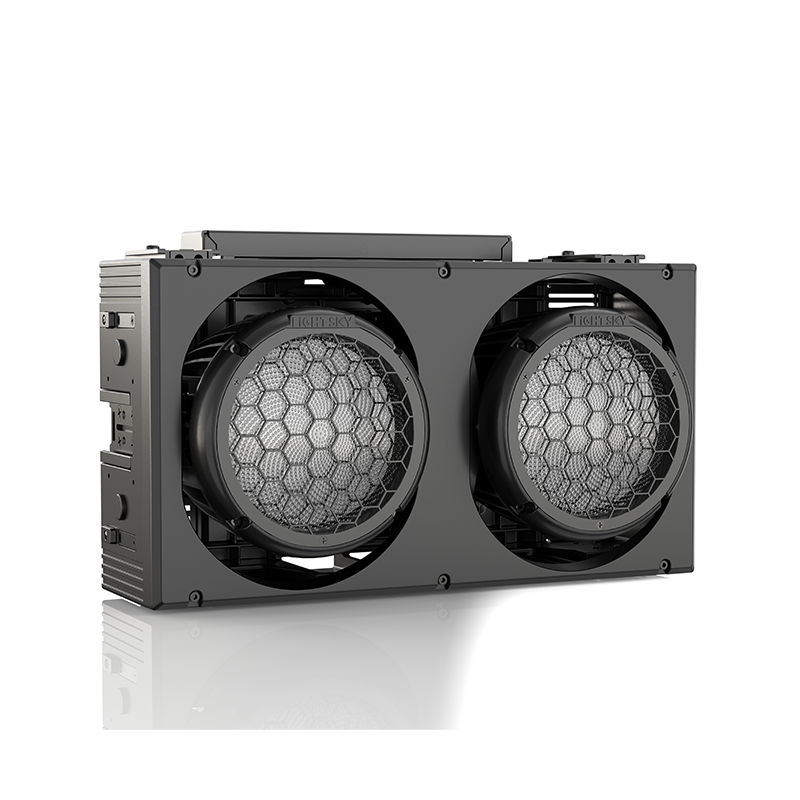
Look at three things first: color quality, throw flexibility, and control options. Color-wise, RGBW chips give clean tones and decent white balance. For throw, zoom range and beam angle decide whether you get a soft wash or a tighter shaft. Control-wise, solid DMX implementation and smooth pan/tilt matter when you cue fast transitions. The LiGHT SKY aqua pearl mini performs well across these categories—compact body, reliable zoom, and sensible DMX channels make it a practical pick for smaller venues and club tours.
Operational teardown: fixtures on the floor
On a production floor you need to know what you’re handling. The operational teardown looks at power draw, mounting footprint, fan noise, and serviceability. In practice, crews want quick access to lenses and gobo slots and a fixture that won’t overheat under long runs. The LiGHT SKY aqua pearl mini is tight on space and light on power, which helps a sparse distro—and the same unit can behave like a key wash or a background fixture depending on zoom and color mix. If you’re running a lineup of LED moving wash fixtures, this one slides in without extra muscle on the rig.
How it stacks vs alternatives
Compare it to bigger profile moving heads or cheaper par-style LEDs. Big profiles win on output and gobos; cheap pars win on price but lose on smooth color and pan/tilt. The aqua pearl mini sits in the middle: better color blending than entry-level pars, smaller and cheaper than a high-output profile, and easier to rig than full-size moving washes. For touring bands and small theater companies, that middle ground often gives the best value per pound—both on the truck and in setup time.
Common mistakes crews make
People usually over-quantify lumen needs or under-value control setup. Mistake one: stacking too many fixtures to hit brightness instead of optimizing beam angle and lens position. Mistake two: using complex pixel-mapping profiles when straight RGBW fades would do—slows down programming for no real gain. Mistake three: ignoring service access in a cramped truss layout—if you can’t swap a lamp or fix a bad channel quickly, show flow suffers. Fix those, and a small moving wash becomes a workhorse.
Practical tips from the road
Pack spares for clutches and mounting pins. Label DMX addresses plainly. Use a consistent zoom profile across fixtures so focus cues translate across the rig. On festival load-ins you want minimal setup time—pick fixtures with fast lock points and predictable beam angle behavior. For color matching, calibrate white balance on the desk then tweak gels or virtual filters—less fiddling under time pressure. These are lessons learned in touring vans and small venue green rooms—real work, not theory.
Decision rules: pick like a pro
Keep three golden rules handy when choosing wash gear:

- Match beam angle to stage size first, then count lumens.
- Favor fixtures with straightforward DMX channels and good physical service access.
- Balance upfront cost with rigging and power constraints—lighter rigs save labor bills.
Three evaluation metrics to use now
When you test gear side-by-side, score each unit on these metrics: 1) effective lux at working distance (practical output), 2) ease of setup and addressing (time-to-ready), and 3) consistency of color across intensities (white balance stability). Run a quick checklist on those and you’ll separate toys from tools fast.
Wrap and final call
I back these picks: Light Sky brings fixtures that fit the bills crews actually need. Right on.