
Practical, user-first opening
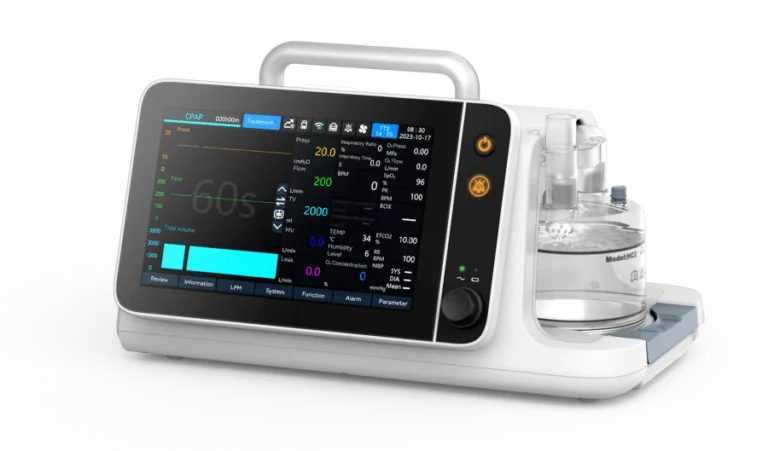
Clinicians need devices that perform under pressure—literal pressure, measured in cmH2O—so pick tools that earn trust every shift. During the New York City ICU surges in spring 2020, teams learned fast that a reliable medical ventilator or a compact portable cpap can be the difference between a stable patient and an avoidable transfer. This guide centers on what front-line staff actually need: robust alarms, clear user interfaces, consistent PEEP delivery, and straightforward maintenance routines.
What reliability looks like in day-to-day care
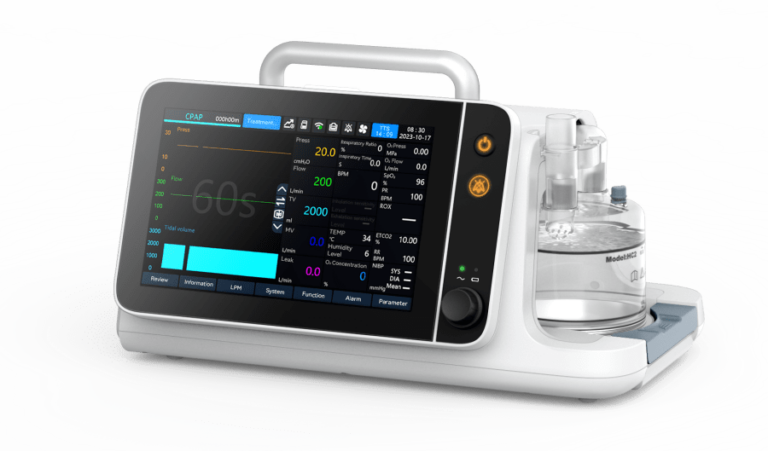
Reliability isn’t a marketing line—it’s measurable. Look for sustained battery runtime, accurate flow sensors, consistent tidal volume delivery, and alarms you can trust. Short, daily checks reduce surprises: verify battery charge, inspect filters, confirm mask seal, and run a brief self-test before use. Keep records of service intervals and note any drift in FiO2 or pressure readings so trends are visible.
Features that make a BiPAP or portable CPAP truly usable
Prioritize these functional attributes when evaluating devices:- Battery and charging: true runtime under clinical load, not just standby estimates.- Usability: clear pressure controls, simple modes, and training-friendly menus.- Portability: weight and ruggedness for transfers or home-based follow-up.- Serviceability: replaceable filters, accessible flow sensors, and documented maintenance intervals.
A practical device balances clinical capability with operational simplicity—complex menus slow teams in crises, and fragile components increase downtime. Think of device selection as optimizing for uptime and predictable oxygenation rather than chasing every new feature.
Common mistakes that reduce effectiveness—and how to fix them
Teams often skip service contracts or assume technical support will arrive instantly. That costs time. First fix: set a minimum service cadence and keep spare consumables on-site. Second mistake: mismatched settings—pressures set by protocol without bedside verification. Adjust BiPAP pressures using measured tidal volume and patient comfort, not just a standard chart. Third: inadequate staff drills for interface alarms—run brief scenario drills once a week so responses are fast and correct.
Comparing options: BiPAP, portable CPAP, and ventilators
Match device capability to clinical need. Use BiPAP for patients who need bi-level support and better ventilation control; portable CPAP suits mild-to-moderate obstructive sleep or transport scenarios focused on maintaining airway pressure. Escalate to a medical ventilator when invasive ventilation is required or when precise control of tidal volume and oxygenation is non-negotiable. Each device class brings trade-offs in complexity, cost, and required training—choose the smallest capable tool that meets the patient’s respiratory mechanics.
Real-world workflow tips that save minutes—and lives
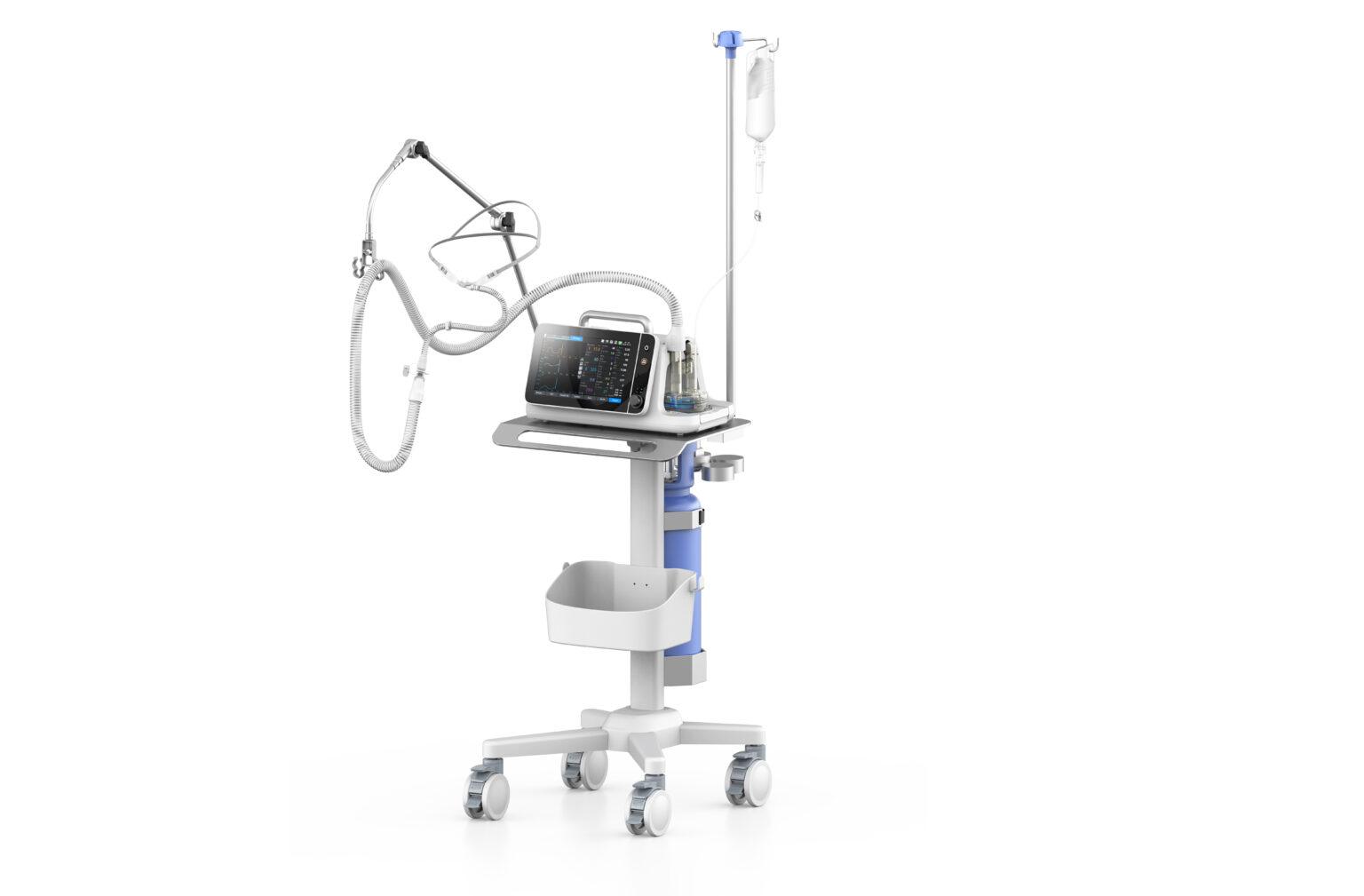
Standardize a five-point handover for patients on non-invasive support: device model and serial, current pressures and mode, battery status, filter age, and known troubleshooting steps. Keep a one-sheet cheat sheet taped to the cart for quick reference. Train nursing and respiratory staff together on filters and mask fitting—shared knowledge speeds response during patient deterioration. Small improvements in handoff reduce alarms and transfers.
Advisory close: three metrics that should drive every procurement
1) Mean Time to Ready (MTTR): measure how long a device takes to go from idle to clinically ready under load; target under five minutes. 2) Field Service Downtime: track days out of service per year and aim for single-digit days with on-site spares stocked. 3) Clinical Consistency: audit delivered tidal volume and PEEP against set values across 30 uses; acceptable variance should be small and documented.
Those measures focus teams on tangible performance and predictable outcomes—criteria that matter at the bedside. For procurement teams, they turn marketing claims into operational requirements.
Reliable equipment reduces cognitive load, shortens response times, and improves patient stability—small wins that compound. — Byond.