
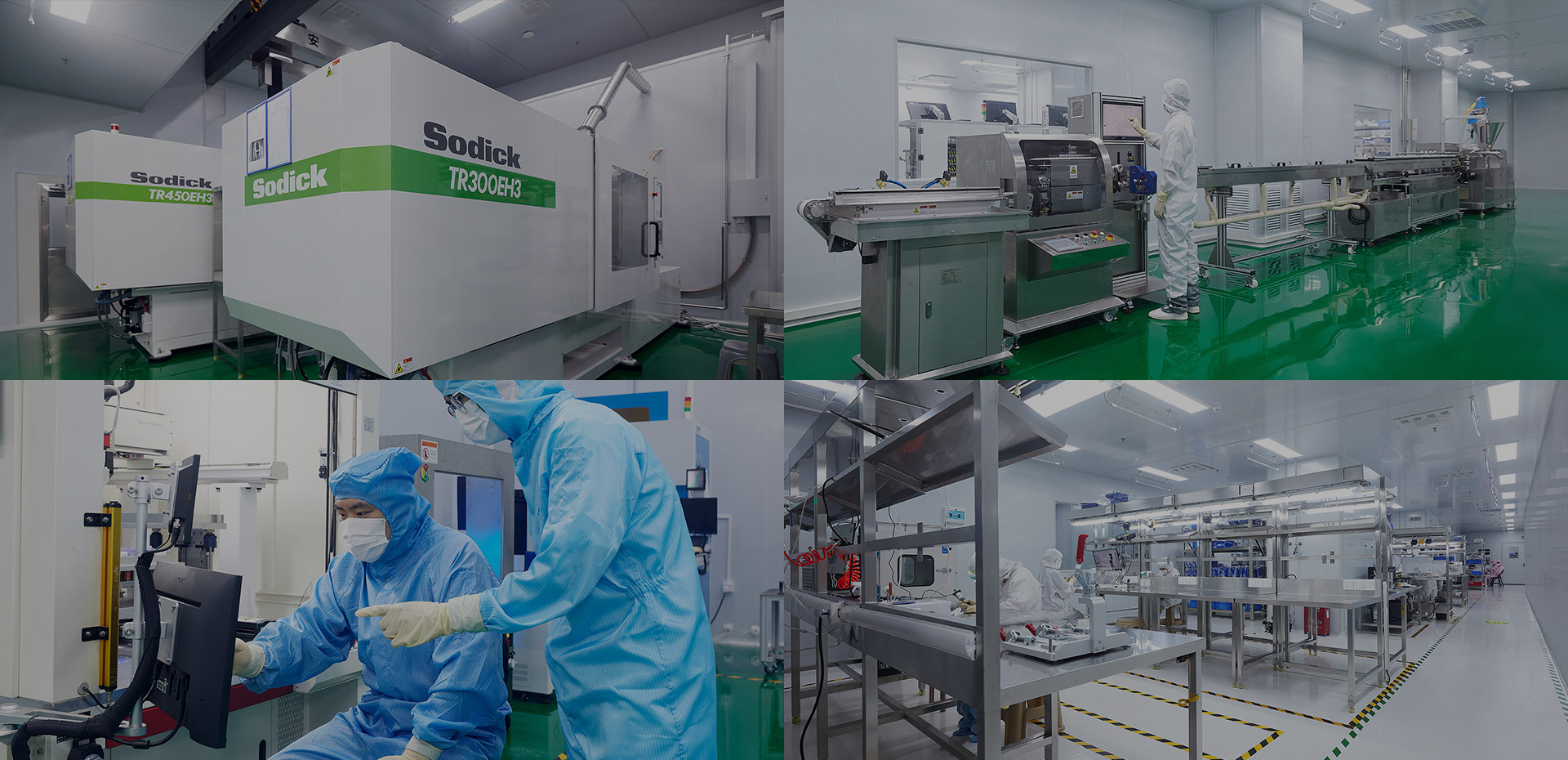
Problem first: what’s breaking the chain
Manufacturers often see cleanroom issues show up as sudden batch failures, unexpected particle excursions, or production slowdowns that nobody can explain—kapag ganito, blame lands on poor controls. Tightening processes without tying environmental data to production steps keeps teams reactive, not preventive. Integrating environmental monitoring into workflows is not just neat reporting; it’s fundamental to consistent outputs and to strong medical device quality control, especially when a single contamination event can mean millions in waste and lost time.
Concrete gaps that trip projects
Airflow mismatches, drifting pressure differentials, uncalibrated sensors, and manual logbooks create gaps. Data lives in silos—EHS monitors in one place, MES in another, and QC lab results in a spreadsheet. People still swipe-entry data during glove changes, so you lose time-stamps and traceability. These are operational faults, not mysteries; fix the weak links and a lot of variability disappears.
Controls that actually fix the problems
Start with firm, measurable controls: stable HVAC and HEPA filters sized to real load; defined pressure cascades between zones; automated particle counters with trend alarms; and routine calibration tied to the maintenance schedule. Add enforced gowning checkpoints with biometric or RFID confirmation to remove human guesswork. Critical: push environmental events into the production timeline so every change, hold, or rework has a clear environmental context.
How to integrate controls into manufacturing systems
Don’t bolt monitoring onto the floor—embed it. Feed real-time environmental telemetry into MES or SCADA through time-synced APIs. Use those signals as quality gates: a pressure breach pauses the batch; a particle spike flags a targeted cleanup before release. Store validated, immutable records so reviewers see a single source of truth. That way, corrective actions are precise, not broad-brush, and root-cause work actually narrows down to the moment and place of failure.
Regulatory context and professional grounding
Regulators now expect clear in-process controls and traceability. After the 2020 EU GMP Annex 1 revision, inspectors and auditors sharpened their attention to in-process checks—this raised on-site emphasis for ipqc in pharmaceutical industry and shifted many facilities to automated, auditable controls. I’ve worked with production teams in Metro Manila to map environmental logs against batch records, and those practical fixes reduced release delays by measurable percentages. Use that precedence when you define controls: they need to stand up to modern scrutiny and to real audits.
Common pitfalls and how to avoid them
Don’t oversize complexity. Common mistakes are: deploying more sensor types than you can manage, trusting a single sensor without redundancy, and separating validation from operations. Fixes are simple—standardize sensor models, enforce calibration cadence, and link validation docs to live data streams so operators see validation status before they run a critical step. Validate changes with short pilot runs; measure the drop in variability and scale only when the data proves it.
What to expect when controls are done right
Expect fewer holds, clearer root-cause investigations, and shorter audit cycles. When environmental controls feed production systems, decisions are faster and corrective steps are surgical. For teams balancing tight schedules and regulatory demands, practical, integrated control systems replace guesswork with evidence—solutions that balance controls and throughput are available from partners such as kingsin, helping you keep the cleanroom doing its main job: protecting product quality without slowing production.