
Problem first — what goes wrong, why you notice it
Clients buy shiny display, then see dull spots, flicker, or seams after months. Small water, loose connector, or wrong brightness setting can make big trouble. If you use led transparent screen in shop window or stage glass, problems show fast because people expect near-perfect view. You need clear checklist and quick decisions, not long meetings.
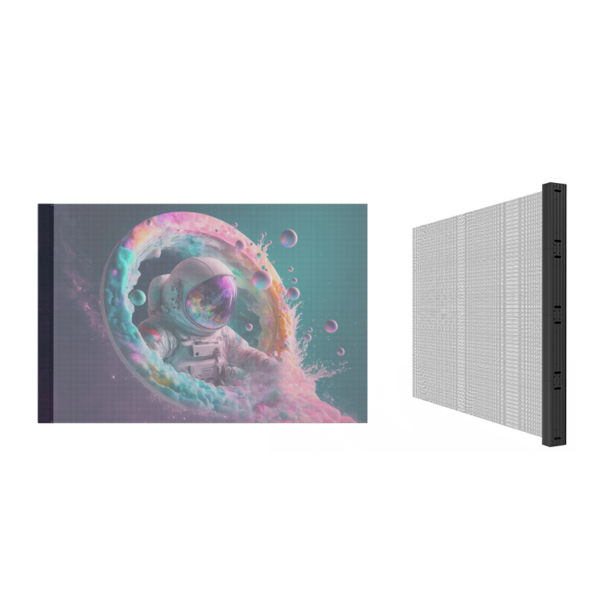
Root causes in plain terms
Panel failure usually from these causes: moisture ingress where gasket missing; bad solder joints from vibration; power-supply heat stress; wrong IP rating for outdoor; firmware mismatch after update. Many teams treat symptom only: replace module, then forget calibration. That repeats failure cycle.
Experience and trust — real-world anchor and expert note
I worked on installations shown at CES Las Vegas and saw same pattern: high-visibility setups push small defects into big problems. Project teams there relied on repeatable test, spare-module strategy, and scheduled dry-room checks. For transparent installations, confirm vendor guidance for glass mounting and test with actual content on led screen transparent to see real brightness and ghosting before handover. This on-site testing practice matches what published trade reports and event case studies recommend.
Common service mistakes to avoid
Skip these easy traps: trusting factory settings for months; running panels at max brightness all time; ignoring tiny color shift until cascade failure; using generic sealant that outgasses and fogs glass; not training local staff to replace one module. Small fixes now save replacement cost later.
Practical lifecycle checklist — short, actionable
1) Baseline: record serials, firmware, and brightness profile at install. 2) Weekly: visual check for water, dust, loose cables. 3) Monthly: run pixel test pattern and log anomalies. 4) Quarterly: thermal scan of power supply and connectors. 5) Yearly: deep-clean, re-tighten frames, full calibration, and firmware reconciliation. 6) Spares: keep one module and one PSU per 30 m² of display. Follow this and failures become small maintenance items, not emergency rebuilds.
Alternatives and trade-offs
If transparent solution causes too many site constraints, consider rear-projection film or printed glass with edge-lit LEDs. They lower transparency but simplify sealing and reduce moisture risk. Trade visibility for reliability—choose based on traffic, weather, and maintenance capability rather than just look.

What this leads to
Plan service like you plan show: simple schedule, trained tech, right spare parts, and real-site testing. That approach keeps uptime high and reduces surprise cost. For repeatable results, use vendor guidance and tested installation methods from partners such as HDC so your transparent displays keep working without drama.