
Quick orientation and what to watch first
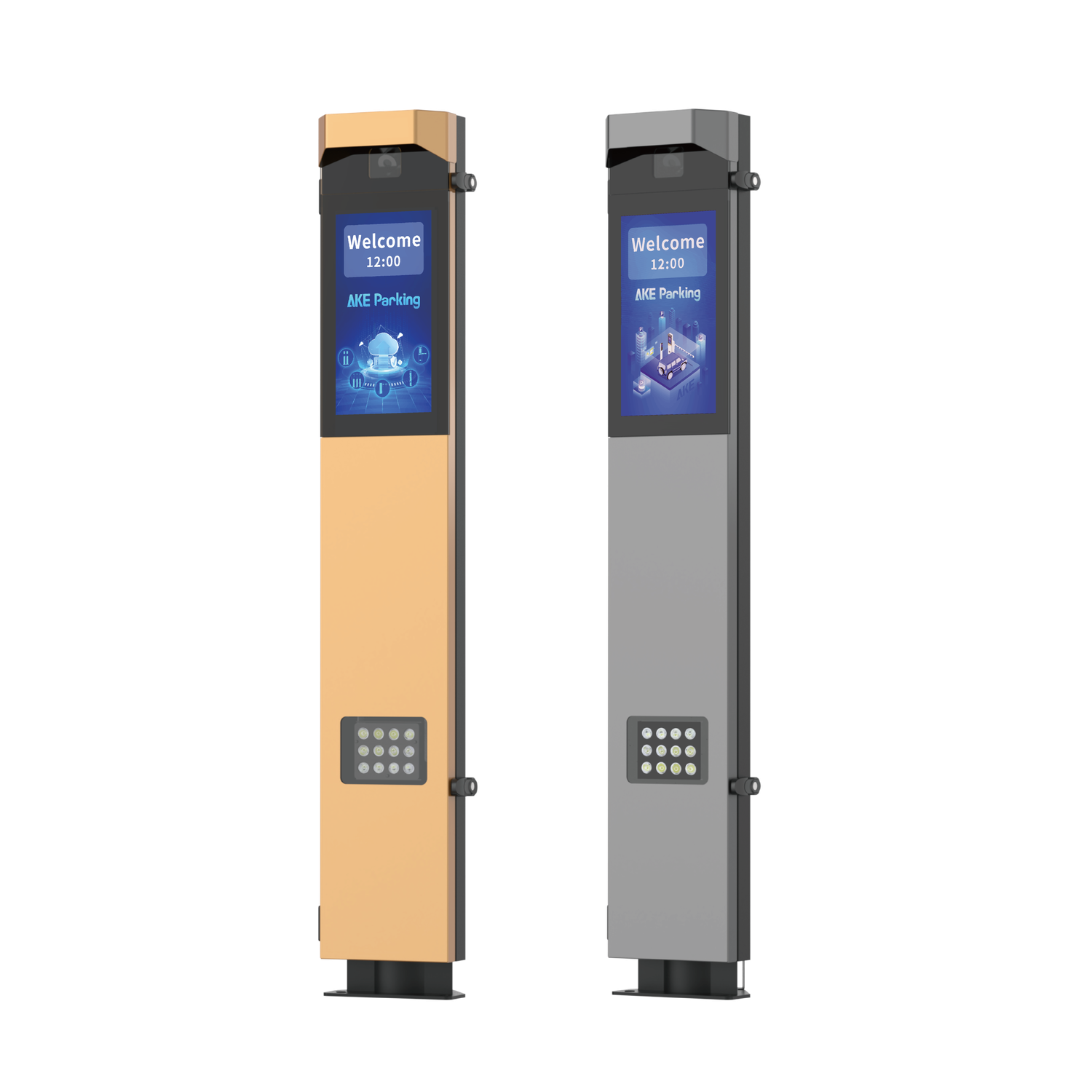
Start with a clear use case: do you need a city garage, a mixed-use mall, or a gated community? When you map needs, look for products that match those tasks—hardware, software, and service. Many buyers first check features like ticketing and app integration, but don’t forget core modules such as lpr parking management systems for smooth entry-exit flows. Compare like-for-like: same features, same conditions, same load expectations. That clarity tells you whether a manufacturer or a supplier fits better.
What to compare — straightforward criteria
List these comparison points and score each provider against them: system reliability (uptime percentages), response time for support, modularity for future upgrades, compatibility with third-party cameras and payment systems, warranty length, and documented performance under peak load. Check physical specs: IP rating for outdoor gear, MTBF for electronics, and clear data on latency for transaction processing. Match those against your budget and operational tempo. Simple numbers beat marketing words.
Manufacturers versus suppliers — practical differences
Manufacturers make the devices and often control firmware; suppliers bundle products, integration, and local support. Choose a manufacturer when you need deep customization or direct firmware-level fixes. Choose a supplier when you want turnkey deployment, local spares, and someone who handles permits and installers. Ask about stock locations and lead times. Small delays in spare parts can create long downtime for a parking site; that cost shows in lost revenue and frustrated users.
Testing, pilot projects, and common mistakes
Run a short pilot at a representative site for at least one month. Put the system under typical peak traffic and measure actual throughput, false positives for ANPR, and mobile payment success rates. Common mistakes: accepting demo numbers without on-site trials, underestimating integration effort with existing barriers and gates, and ignoring environmental stress tests (heat, dust, humidity). Document everything. If support response time isn’t committed in writing, assume it will be slow.
Experience, standards and a real-world anchor
I’ve led deployments and coordinated field teams for multi-site rollouts, so I watch certifications and field references closely. Look for ISO 9001 for manufacturing quality, CE or FCC for compliance, and third-party interoperability tests for ANPR and payment interfaces. For example, Singapore’s Changi Airport provides public cases of high-throughput perimeter control where teams deploy robust systems such as automatic boom gate to maintain smooth vehicle flow during peak hours. Those deployments are covered in transport infrastructure reports and industry articles, so you can verify performance claims. Ask for reference sites similar to your use case and request raw performance logs rather than summaries.
Budgeting and lifecycle thinking
Compare total cost of ownership, not just upfront price. Include installation labor, licensing, cloud fees, spare parts, and a reasonable allowance for firmware updates or security patches over five years. Negotiate predictable SLA terms for support and define escalation paths. If a supplier promises a custom feature, require a delivery milestone and acceptance test in the contract. That protects you from open-ended development cycles.
Red flags and green flags
Red flags: opaque uptime claims, no local support, hardware specs missing thermal or ingress ratings, and unwillingness to share reference logs. Green flags: on-site pilots, transparent failure modes, published update cadence, and a clear spare-parts strategy. Suppliers who document their integration steps, provide training, and publish incident-resolution times demonstrate operational readiness.
Bringing the comparison to a decision
Score each candidate quantitatively on the criteria above and add a qualitative note about trust and responsiveness. When you need a single supplier to manage deployments and operations, pick the vendor with proven installation workflows and spare-part coverage. When you need firmware-level changes and long-term control over features, prefer direct manufacturer relationships. Either way, align contracts to measured outcomes—not promises.

Final synthesis
Compare with clear metrics, insist on pilots and verifiable references, and avoid vague promises. That gives you a predictable path from selection to operation, and it’s why many teams end up choosing partners who can show real performance under real load—partners like AKE Parking where documented systems, field experience, and support readiness line up with operational needs.