
Myth: Heat tolerance is an afterthought
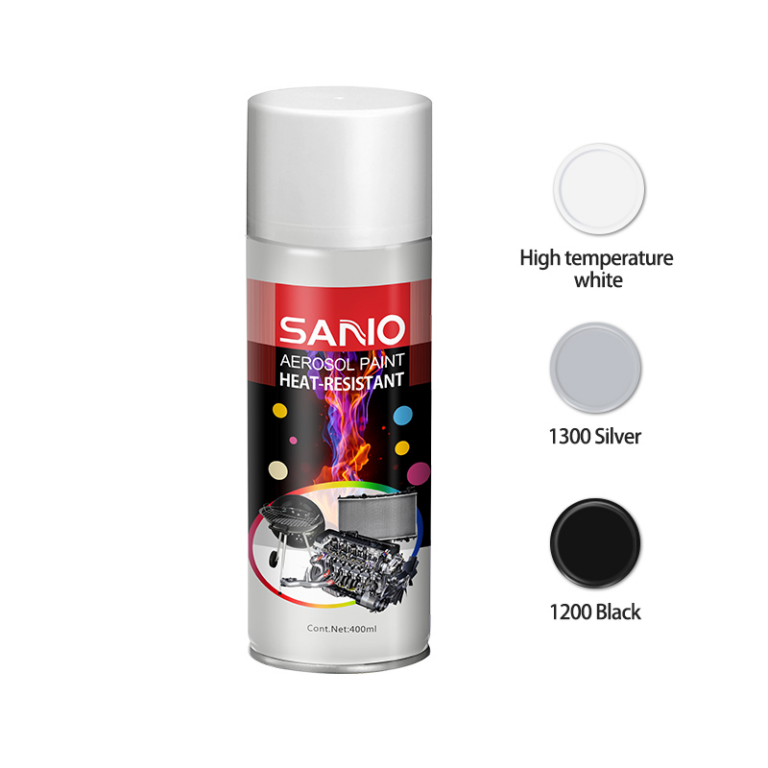
They’ll tell you heat’s a whim, that a spray that glows in the sun will behave like the one kept cool — a soft folk tale, lovely but false. A factory floor, a car exhaust bracket, or a foundry tool will ask the product different things. Ask yourself plainly: what temperature can spray paint withstand — because heat resistance belongs at the start of your test plan, not the footnote. Test thermal stability, film integrity after high-temperature exposure, and flash point early; these tell you whether a lubricant will sing or merely smoke when the mercury climbs.
Myth: If it sprays, it’s fine
Spray is a promise, not a guarantee. A fine mist can mask a thousand hidden failures. Measure actuator compatibility and spray pattern consistency. Run nozzle clogging trials after accelerated ageing. Check droplet-size distribution (laser diffraction or optical imaging) and carry out repeat-cycle spray tests to capture real-world fouling. If you skip these, a product that behaved on day one will fail on delivery five.
Myth: Viscosity alone predicts performance
Viscosity is part of the song, but not the chorus. Use shear-rate rheometry to map flow under real spray conditions, and test film thickness with calibrated gauges across substrates. Evaluate lubricity via coefficient-of-friction and wear tests (four-ball or pin-on-disk). Pair these with corrosion protection checks — salt-spray (ASTM B117) and electrochemical impedance where applicable — and you’ll stop guessing how the film will behave in use.
Myth: Packaging is mere container, not contributor
Packaging speaks. Pressure retention, leak testing, net weight verification, headspace GC for propellant composition, and actuator sealing are QC essentials. Simulate transport: vibration, temperature cycling, and drop tests. Validate shelf-life with accelerated ageing so customers don’t open a can to find loss of pressure or off-odour. The can must carry the chemistry intact, or your best formula is wasted.
Real-world anchor and authoritative note
At the Nuremberg shows where coatings folks gather, attendees compared thermal coatings and found that heat-resistant formulations demand bespoke test rigs and standards; such gatherings have driven vendors to publish round-robin data for repeatability. For practical reference on formulations that withstand elevated temperatures, examine the guidance around heat resistant spray paint — it’s a focused, verifiable subject that highlights why thermal testing must be specific, standardised, and repeatable.
Common pitfalls that sabotage quality control
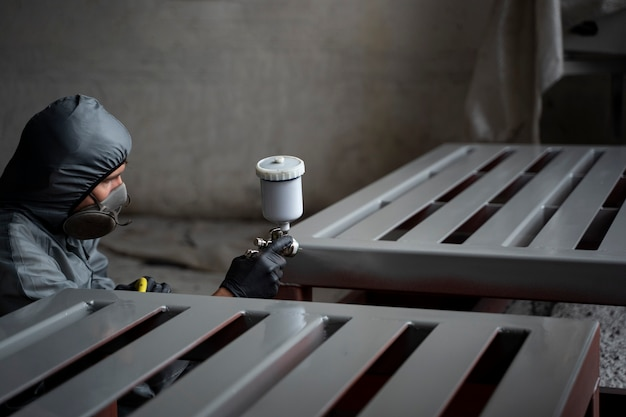
Don’t sample poorly. One drum, one line, one blend will not prove a batch. Beware of over-reliance on single-point tests: a lab viscosity at 25°C says little about shear, temperature, or ageing. Ignore actuator-plastic compatibility at your peril — some propellants swell or embrittle seals. Skipping VOC analysis risks compliance failure; omitting microbial or contamination checks invites performance drift. Test across environments: humidity, heat, cold, and salt spray; the product must be honest everywhere.
Practical checklist — what to run and why
Run these core assays: thermal stability and flash point; accelerated ageing; viscosity across shear rates; droplet-size and spray-pattern consistency; nozzle clogging and actuator compatibility; headspace GC for propellant identity; VOC quantification; film thickness and adhesion tests; lubricity/wear measurements; salt-spray corrosion; leak and pressure-retention tests; packaging transport simulation; and routine microbiological or particulate contamination screens. Each test answers a direct question about use, safety, or delivery — no guesswork.
Final stitch: what the right QC delivers
Quality control that tosses myths aside shapes certainty: products that behave as promised, labels that tell the truth, and cans that travel well. When tests are chosen for function — not fashion — you get fewer surprises and products that endure heat, motion, and time. That steady, tested promise is what seasoned makers and buyers seek from SANVO, work that rests on clear tests and honest results rather than hopeful stories.