
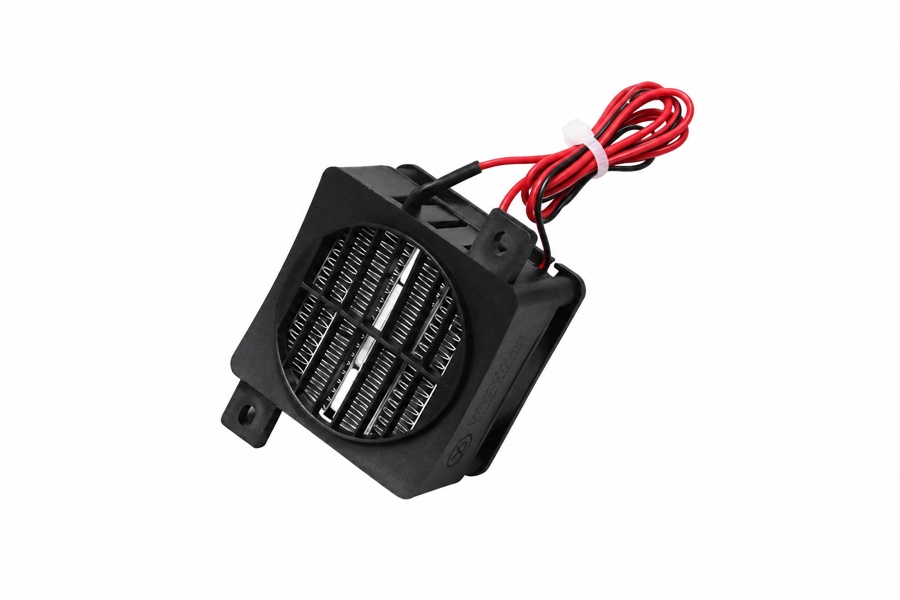
Use requirement screening for early research to frame a clearer evaluation of Industrial Heating Elements
Comparing industrial heating elements too early can make a technical review look more precise than it is. A better starting point is requirement screening: define the heating task, record the evidence available, and separate confirmed details from assumptions before comparing candidates.
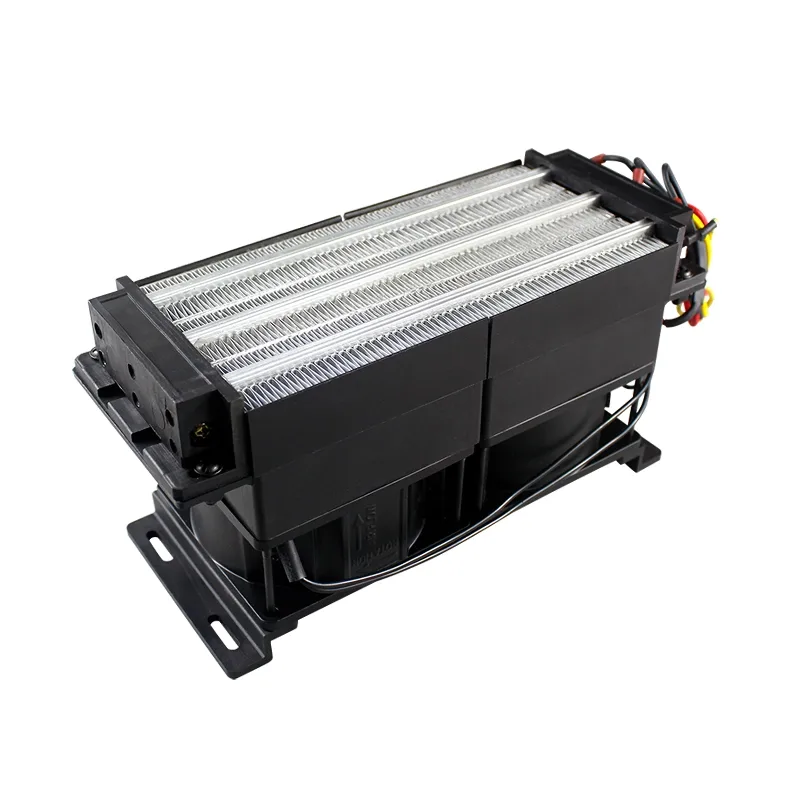
This approach helps technical buyers ask better questions without treating a product description as a complete design recommendation. The first screen should describe what must be heated, where heat must travel, and which operating conditions could affect the result.
Set criteria before comparing candidates
Begin with the process rather than the element name. Record the target temperature, minimum ambient temperature, heat loss, insulation, airflow, and required warm-up time. Also capture the operating cycle and the heated load. These details establish the conditions against which a proposed configuration should be considered.
Do not use enclosure dimensions as the only basis for early selection. The configuration needs to be considered under the complete machine’s operating conditions. A compact space may still have a demanding heat load, airflow pattern, or warm-up requirement. Conversely, a larger enclosure does not by itself define the required heating approach.
Next, identify the heating location. Contact heating is suited to a component or surface that can be heated through a suitable mounting interface. An air heater is suited to heat that must travel through a machine cavity, duct, or equipment compartment. This distinction narrows the comparison before electrical or mechanical details dominate the discussion.
- Record target temperature, minimum ambient temperature, heat loss, insulation, airflow, warm-up time, operating cycle, and heated load.
- Identify whether the application needs contact heating or air heating through a cavity, duct, or equipment compartment.
- Separate PTC power limiting from the sensing and control needed to maintain a defined machine or chamber setpoint.
- Include the equipment drawing, heating method, ambient range, installation limits, protection needs, and expected order quantity in a custom inquiry.
- Evaluate samples in the target machine and confirm electrical, temperature, and installation details before production.
Review evidence by requirement
For each requirement, create three notes: what the page or supplier has stated, what the requirement demands, and what remains unresolved. This simple separation prevents a general description from being read as proof of suitability. It also gives engineering and procurement teams a shared record for the next discussion.
For an industrial electric heating element, one important screening point is the relationship between self-regulation and temperature control. The official application guidance states that PTC self-regulation helps limit element power as temperature rises. It also states that this behavior does not maintain a defined machine or chamber setpoint by itself. Where a specified process temperature is required, suitable temperature sensing and control are needed, along with protection selected for the complete assembly.
That point should remain visible in the comparison record. “Power limiting as temperature rises” and “maintains a defined setpoint” are different requirements. Treating them as interchangeable could create an incomplete control concept. The review should therefore list the required sensing, control, and protection approach as separate design questions rather than assuming that the element answers all three.
Keep trade-offs visible
A useful comparison does not hide uncertainty behind a single preferred option. Instead, show how each candidate relates to the heating method, operating conditions, installation limits, and control requirements. If the evidence addresses only one part of the application, record that boundary plainly.
For custom work, the initial information package should be specific enough to support a meaningful discussion. Relevant inputs include an equipment drawing, heating method, target temperature, ambient range, warm-up requirement, operating cycle, and airflow data where applicable. Dust or moisture exposure, installation limits, required protection, and expected order quantity also belong in the early record.
This process reduces a common procurement mistake: asking for a component before describing the assembly in which it will operate. It also keeps the comparison practical. A candidate is not judged only by a name or headline description, but by how much of the actual requirement has been defined and addressed.
Create a repeatable decision record
Use the same screening sequence for every candidate. First, summarize the application and heating location. Second, list the operating inputs and control expectations. Third, map each input to page evidence or a supplier response. Finally, mark the open points that must be resolved through a sample or prototype.
Prototype evaluation should occur in the target machine before production. During testing, confirm electrical specifications, temperature performance, and installation details. Once the configuration is understood, the parties can agree the configuration, order quantity, and delivery requirements for OEM supply. The record should preserve these decisions so later reviews do not restart from assumptions.
A disciplined screen does not need to predict the final answer at the research stage. Its purpose is to make the next answer more reliable. By defining the heat path, documenting operating conditions, separating self-regulation from setpoint control, and preserving unresolved questions, buyers can compare industrial heating elements on requirements rather than impressions.
For a practical next step, send the equipment drawing and application inputs as one structured package, then use the response and prototype findings to refine the decision record. PTCYIDU can remain one named source in that process, while the final evaluation stays tied to the documented machine requirements.