
First chord — why this comparison matters
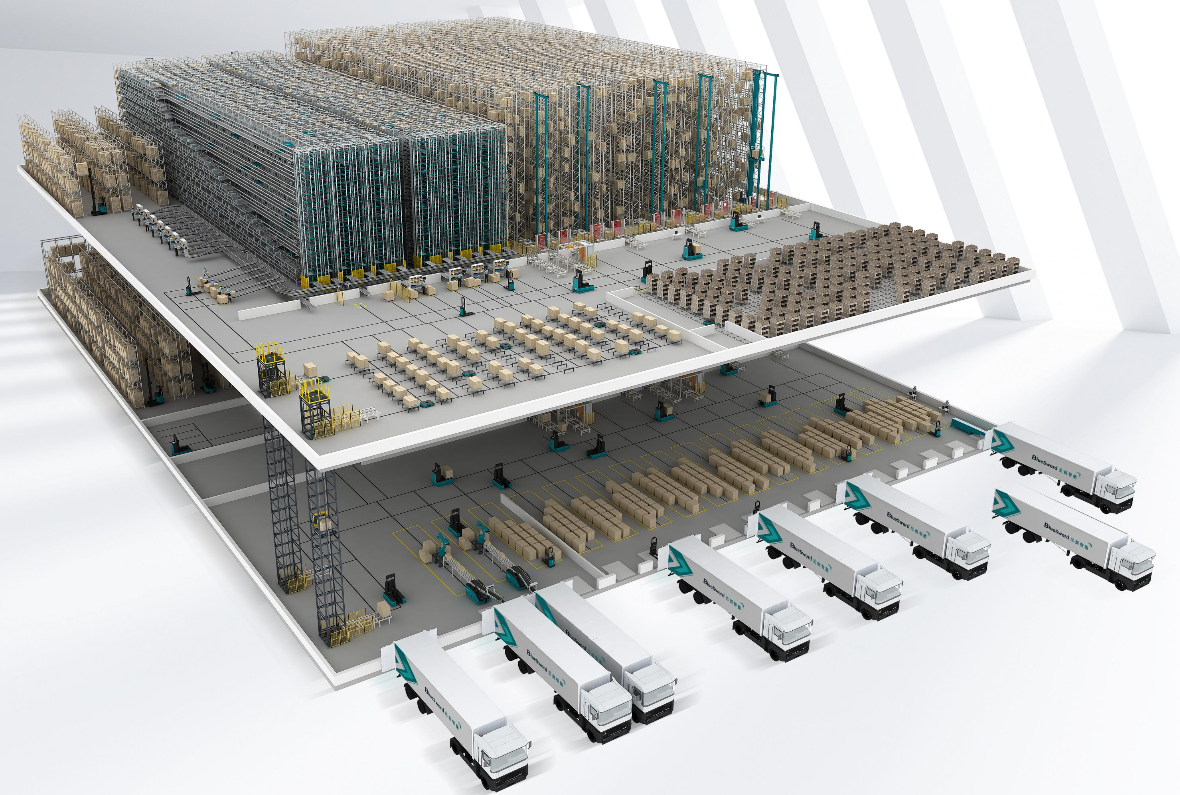
The warehouse used to be a steady rhythm of humans and forklifts; now the beat layers in sensors, simulation, and systems. This piece strips back the soundscape — comparing a digital twin approach to traditional manual logistics — with a focus on real equipment choices like the Pallet Shuttle. The Port of Rotterdam’s recent push for densification and automation is the real-world anchor here: planners there shifted layouts and control logic to squeeze storage and speed into tight slots, proving the duet of software and gear changes outcomes on the ground.
Tempo and accuracy: throughput versus human timing
Digital twins model throughput and bottlenecks before a single pallet moves. They let you simulate SKU mixes, racking density, and picking strategies to tune cadence. Manual systems rely on operator experience; they can improvise beautifully but miss steady high-throughput runs. A mechanized pallet shuttle—paired with a digital twin—keeps cycle times predictable and reduces variation in handling. That predictability translates into measurable throughput gains and fewer damaged loads, when the model maps closely to real-world constraints like aisle width and lift speeds.
Space, layout, and the gravity of density
Traditional racks trade density for access. A well-executed pallet shuttle system flips that calculus: deeper lanes, higher use of cubic space, and denser stacking patterns. Digital twins let you test FIFO vs. LIFO lane logic and simulate how a change in racking density will affect order fulfillment. The result is not just more pallets per square meter; it’s a cleaner flow — fewer touches per pallet and shorter travel distances for pickers and forklifts.
Labor, error rates, and the human touch
Automation changes roles. Forklift drivers shift from brute movement to exception handling; supervisors spend more time on monitoring dashboards than on manual routing. That human element still matters — trained technicians keep the drives and shuttles humming. — When operators understand system behavior, maintenance windows tighten and mean time to repair drops. Digital twins help by creating visual scenarios that reduce onboarding time for staff and by flagging high-risk interaction points.
Common mistakes and practical alternatives
Teams often buy automation like it’s plug-and-play. Mistakes include underestimating SKU churn, over-spacing lanes for rare exceptions, or skipping integration tests with Warehouse Control Systems (WCS) and ERP. Alternatives to a full pallet shuttle rollout include phased AS/RS modules, mobile robotics for case flow, or hybrid lanes where manual forklifts handle overflow. A good migration plan uses a pilot lane and a digital twin to validate assumptions before capital spend.
Operational teardown — how the {main_keyword} and {variation_keyword} sit in production
Install lanes with clear service aisles, configure the shuttle’s drive profile for expected load weights, and set the control logic in the WCS to prioritize hot SKUs. Track metrics: cycle time per pallet, pick-to-ship lead, and rack utilization. Monitor wear patterns and adjust shuttle velocity limits to extend component life. A realistic twin mirrors these parameters so that simulations reflect throughput and maintenance cadence accurately. Embed racking density and throughput inputs, and test FIFO and LIFO lane behaviors under peak demand.
Advisory — three golden rules for selecting the right path
1) Prioritize measurable objectives. Define target cycle times, utilization rates, and acceptable downtime before choosing equipment. 2) Validate with a digital twin. Simulate SKU mix, peak demand, and fault scenarios to avoid expensive rework. 3) Start modular. Pilot a few lanes with a pallet shuttle and scale based on real metrics — don’t rip-and-replace an entire operation at once.
Closing rhythm
These decisions reshuffle who does what on the floor and how the whole operation breathes. The combination of physical systems like the 4-way pallet shuttle and smart simulation gives you control over density, speed, and risk — a practical symphony, not a solo. — Small pilots, clear metrics, and honest modeling keep the tempo steady. BlueSword.