

Straight talk on what matters
Out on the job site, folks want windows that hold up and don’t fuss. An aluminum fixed window makes sense for clean views and low maintenance. For projects that mix doors and fixed glass, I often point builders to reliable pivot door manufacturers like the ones linked here — they know how to match hardware to heavy glazing. Start with the basics: frame strength, glass spec, and how the assembly keeps wind and rain out. That’s the ledger you balance first.

Build and performance — what the numbers mean
Aluminum frames bring high rigidity and slim sightlines. When you pair a strong aluminum frame with the right glazing, you get what matters in the field: low deflection, consistent seal, and predictable thermal behavior. Pay attention to thermal break design and U-factor ratings during the spec stage. The U-factor tells you how much heat will leak through the unit. The U.S. Department of Energy notes that windows can cause roughly 25–30% of a home’s heating and cooling energy loss, so those numbers are not trivial.
Production teardown: where corners get cut
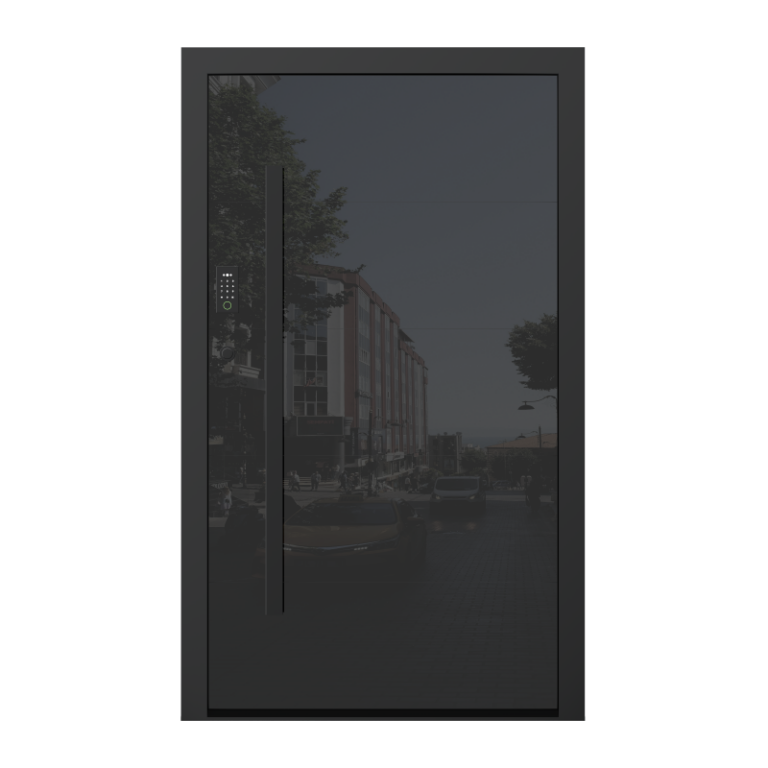
In production, the trouble usually starts at the corner weld or mechanical splice. A cheap sash weld or poor weatherstripping leads to air infiltration and water trails. Proper extrusion tolerances and accurate glazing rebates are non-negotiable. When you see an aluminum fixed window with a plain butt-joint and thin sealant, that’s a red flag. Insist on profiles with a clear thermal break and tested hardware load specs — pivot hinge loads, for example, must be spelled out by the maker.
Installation and common mistakes
Installing aluminum fixed window units seems simple, but errors show up fast. Over-tightened fasteners can warp the frame. Improper shimming leaves stress points that crack sealant later. Seal the exterior flush and back it with a compatible butyl or structural tape — not just silicone slapped on. Contractors often forget to account for differential movement between masonry and the aluminum frame — you need proper joint design. — Remember this: the best window can fail if the rough opening isn’t square.
Comparing fixed windows to front pivot doors
Fixed windows and front pivot doors play different roles. Fixed glass is about daylight, thermal performance, and sightlines. Pivot doors are about movement and threshold performance. If your project calls for a large fixed light next to an entry, match hardware capacity and compatibility. Front pivot doors need heavy-duty pivot hinge systems and careful threshold detailing; the door’s pivot load influences adjacent glazing anchorage. When the two are specified together, coordinate glazing stops, frame depths, and drainage paths so they act like one assembly rather than two separate pieces.
Maintenance, durability, and lifecycle
Aluminum resists rot and pests, and with properly treated finishes it resists corrosion for decades. Routine checks should focus on seal integrity, glazing gaskets, and weatherstripping. Replace compressible seals before they fail. Keep an eye on anodized or painted finishes where salt air or industrial pollution is present — regular wash-downs slow finish breakdown. Good design upfront reduces costly retrofits later.
Practical buying checklist
Here’s a short list to keep in your head on spec day:- Confirm thermal break and U-factor for whole-unit performance.- Ask for load ratings and tested detail drawings for corner joints and pivot hinge points.- Verify drainage and backer details for the specific aluminum profile.These three keep the project honest and the installer from improvising on site.
Closing: three golden rules for smarter choices
1) Prioritize whole-unit performance over isolated specs — U-factor plus tested air and water ratings matter most. 2) Match hardware and glazing early — specify pivot hinge capacities and frame depths together so field adjustments aren’t needed. 3) Insist on clear installation details from the supplier and a warranty that names performance criteria; that ensures the product is made and installed to plan. Choose suppliers who stand behind those details — that’s where quality shows up in the ledger, and why some builders turn to companies that offer both components and expertise. Zekin. — durable, straightforward, and ready when the job calls for it.