
Starting Scene — why this matters to a driver and a planner
I once waited twenty minutes under a drizzle while a bus tried three times to dock and start charging — I learned more in that half hour than in many meetings. The device in question was a pantograph charger, and the more I watched, the more questions I had about reliability, speed and real cost. Across cities, fleets report charger dwell times rising by 10–25% on average (anecdotal fleet logs and public transit reports). So what’s the gap between a charger that looks fine on paper and one that actually keeps buses moving?
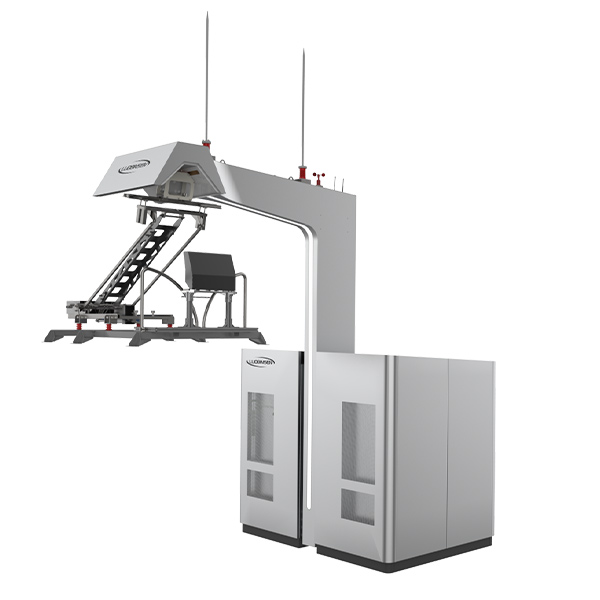
I ask because I’m both a user and a bit of a tinkerer — I want tech that works in rain, heat and rush hour. The scene above is a simple start: a bus that can’t align, a driver under pressure, passengers watching the clock. That tension—funny how that works, right?—is where design meets reality. I’ll walk through what I see as the main practical issues, and then point toward smarter choices for operators and planners. Let’s move from one bad wait to better throughput.
Under the Hood: Why pantograph ev charging often trips up operations
pantograph ev charging looks straightforward: you lower a head, it connects, power flows. In reality, alignment, contact wear, and control logic create hidden drag on uptime. I want to be clear: many systems use good components (power converters, DC bus filters), but integration is where we lose time. First, mechanical tolerances matter. Slight misalignment or an uneven overhead conductor can mean multiple retries. Second, control systems that don’t talk well to vehicle telematics can leave a charger waiting or, worse, attempting unsafe current ramps.
So what fails first?
Contact resistance at the interface goes up with contamination or wear. That leads to heat and reduced charge power. Then there’s software timing: handshakes that assume near-perfect conditions. When reality deviates, the protocol stalls. I’ve seen chargers cycle retries for minutes before a manual reset. Look, it’s simpler than you think — better sensors and smarter handshake windows fix a lot. But these fixes require attention to sensor fusion, firmware updates, and routine maintenance schedules. Those are not glamorous, but they save hours of idle time every week.
Forward Look: Principles and choices for next-gen pantograph systems
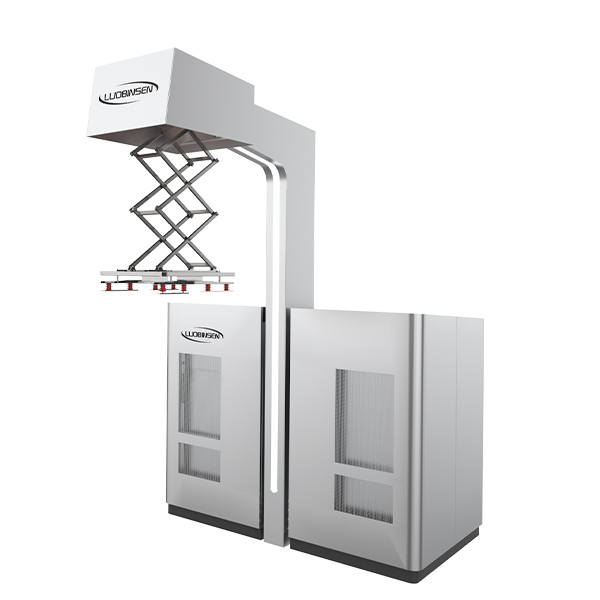
What’s next — incremental tuning or a redesign? I lean toward both. The near term is smarter integration: adaptive control strategies that respond to measured contact resistance and vehicle position. In the medium term, modular power electronics and better mechanical dampening can reduce retries. For planners and engineers, that means choosing systems with clear diagnostics and upgrade paths. The pantograph ev charging system you pick should come with logs you can read, not just error codes you can’t act on.
Real-world impact?
Consider a transit line that reduces docking retries by 50% with improved sensors and firmware. That change might shorten average dwell by a minute, yielding daily hours of additional service with the same fleet. I’ve watched schedule buffers shrink and on-time rates climb when teams focused on these small, practical improvements. There’s human payoff too — drivers feel less stressed, maintenance teams do less firefighting. — and that matters.
To wrap up with something you can use: when you evaluate pantograph chargers, check three things. First, diagnostics depth — can you see contact resistance trends and position accuracy? Second, upgradeability — are power converters and control firmware modular and serviceable? Third, vendor responsiveness — do they provide clear maintenance routines and remote support? These three metrics will tell you more than peak kW ratings. I prefer solutions that balance solid hardware with smart controls, and I’ve learned to trust vendors who help decode logs, not just ship boxes.
I stand by these practical steps because I’ve tested them in fleets and watched them deliver measurable uptime improvements. If you want a partner that shares data, not marketing slides, take a look at Luobisnen — they’ve been open about diagnostics and spare parts, which in my view, matters a lot.