
Framing the shift
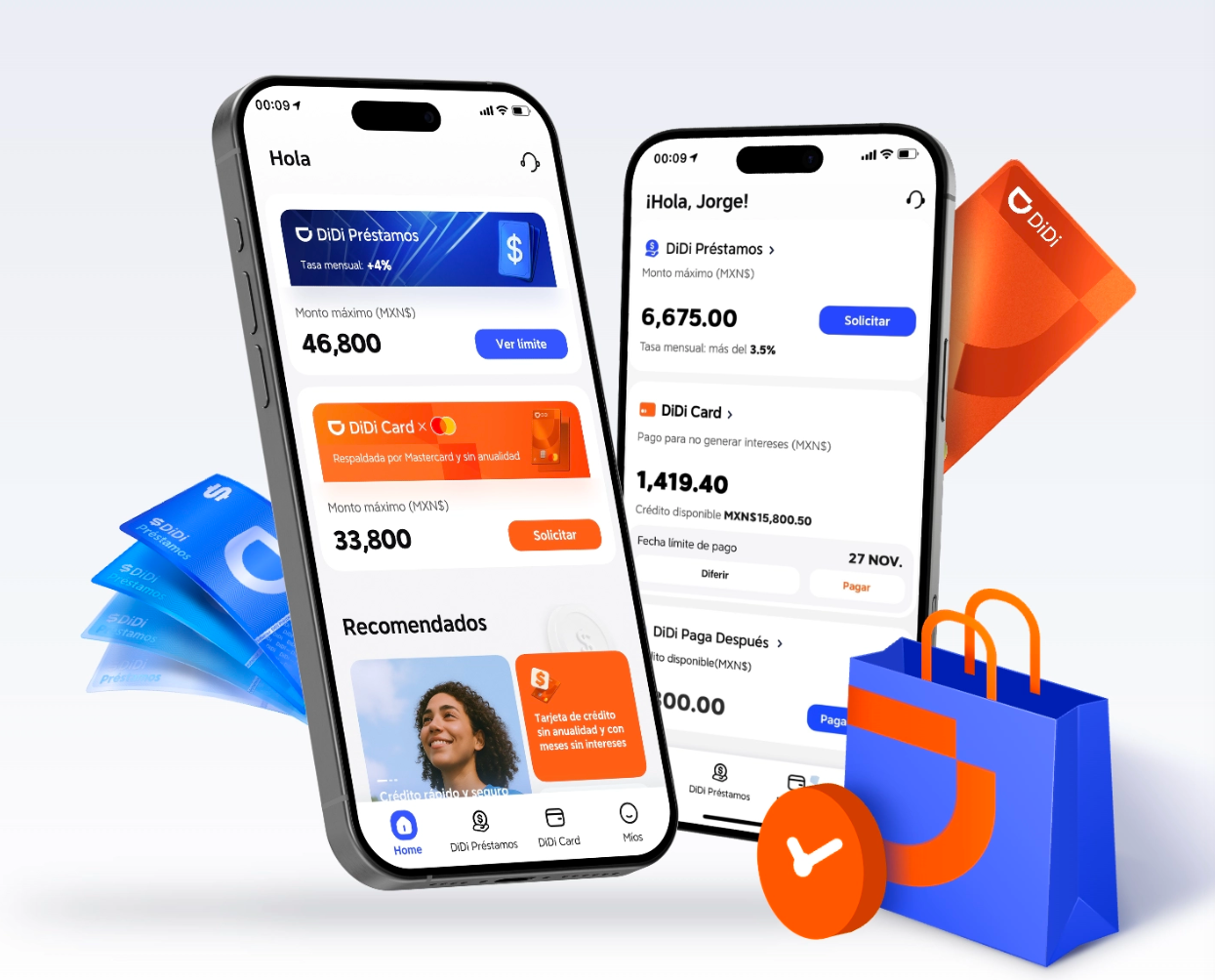
The move by ride-hailing platforms into financial products changed how users think about payments. In a quiet wave after 2020, companies that once only matched riders and drivers began offering credit, loyalty, and payment rails. For this piece I trace the logic behind one of those moves and where it lands for everyday customers, starting with how didi finanzas positions itself within that strategy. The comparative lens reveals not just product features, but the incentives that shape adoption and trust.
Origins and market context
Platforms like Didi layered fintech features onto an existing network: millions of active users, frequent micro-transactions, and a merchant base that already accepted in-app balances. The COVID-19 pandemic pushed more consumers toward contactless and app-based payments in cities such as Mexico City — a real-world anchor that accelerated trials of embedded financing. That environment made card issuance and digital wallets a logical next step for platforms seeking deeper engagement and recurring revenue.
User experience and product mechanics
At the front end, the value proposition is simple: fast onboarding, integrated billing, and rewards tied to platform spend. Behind the scenes lie credit underwriting, interchange fees, and risk models tuned to transaction behavior. For riders and drivers, the friction point is onboarding — if identity verification is slow or the approval criteria opaque, users abandon the offer. Where platforms succeed, they minimize steps and surface clear benefits: discounts, cashback, or preferential payouts. That clarity matters more than glossy marketing.
Comparative insight: platform card vs. fintech and banks
Comparing a platform-issued card with a fintech challenger or a traditional bank shows trade-offs. Platform cards typically win on convenience and tailored rewards for platform spending. Fintech challengers can often offer broader fee transparency and nicer app experiences. Established banks still lead on wide merchant acceptance and customer service depth. For users evaluating options, weighing merchant acceptance, interest rates, and post-approval support gives a clearer picture than headline bonuses alone. Independent reviews and community forums often surface patterns faster than polished product pages — and for that reason many searchers ask whether didi finanzas es confiable before signing up.
Risk, regulation, and trust
Trust hinges on data handling, dispute processes, and visible recourse when problems arise. Regulators in several markets pushed for clearer disclosures after platform-fintech hybrids expanded. That regulatory light creates both constraints and consumer protections: better transparency on fees, clearer dispute timelines, and limits on auto-enrollment. From a risk perspective, platform-issued credit carries concentration risk — users tied to one ecosystem may face cascading effects if the platform changes terms or faces disruptions.
Common mistakes and pragmatic alternatives
Buyers often latch to sign-up offers and neglect ongoing costs: interest rates, late fees, and the real value of rewards. Another error is over-reliance on a single payments ecosystem for both personal finance and income flows. Alternatives include a dedicated digital bank account for daily spending, a separate rewards card for non-platform purchases, or a prepaid digital wallet to control spend. Each alternative addresses a common pain point: separating household liquidity from platform exposure. — Practically, a mix of instruments reduces single-point risk and improves negotiating power with platforms.
Three golden rules for choosing a platform card
1) Measure total cost of ownership: include APR, recurring fees, and conditional penalties. 2) Test acceptance and support: use the card for a small set of transactions and evaluate dispute response times. 3) Protect mobility: ensure funds and payouts aren’t fully captive to one app so income flows remain flexible.
These rules distill the comparative findings above and point to what really matters when a platform offers credit. The outcome for users and small businesses depends less on branding and more on concrete terms, support quality, and operational resilience — factors that platforms like DiDi Finanzas integrate into their product playbooks. —