
What should teams discuss before choosing explosion-proof lighting?
Facing the common problem: misaligned expectations
Teams often start procurement with different assumptions about scope, timelines, and responsibilities. That mismatch drives delays and extra cost. Early conversations about project context help. Ask suppliers about their experience supplying explosion proof electrical fittings, and call out where your project’s decision points sit so everyone responds to the same brief.
Questions to put to suppliers and engineers
Frame inquiries to get comparable answers instead of technical prescriptions. Useful questions include:- What documentation and deliverables will you provide for procurement review?- How do you define lead times, delivery milestones, and change-order handling?- What warranty, spare-part support, and service options are available?- What information do you need from our design or operations teams to narrow options?- Which testing or verification steps should we plan for with qualified parties?Keep each question focused on procurement and coordination rather than installation detail.
Coordination items for project stakeholders
Resolve these roles and decisions before final selection to reduce rework:- Who signs off on acceptance and who represents operations or maintenance?- When will engineering, procurement, and site teams meet to review supplier responses?- How will document control and revisions be tracked?- Which party manages spare-part inventory and long-term service contracts?Clear responsibility makes responses from suppliers easier to compare.
Common procurement pitfalls to avoid
Teams commonly skip essential administrative checks. Watch for:- Late supplier involvement that forces scope changes.- Vague procurement specifications that lead to inconsistent proposals.- Overlooking spare-part lead times and service windows.- Not requesting supplier-provided documentation for buyer review.These are organizational issues, not technical instructions; address them through process and questions.
Comparing options and documenting the decision
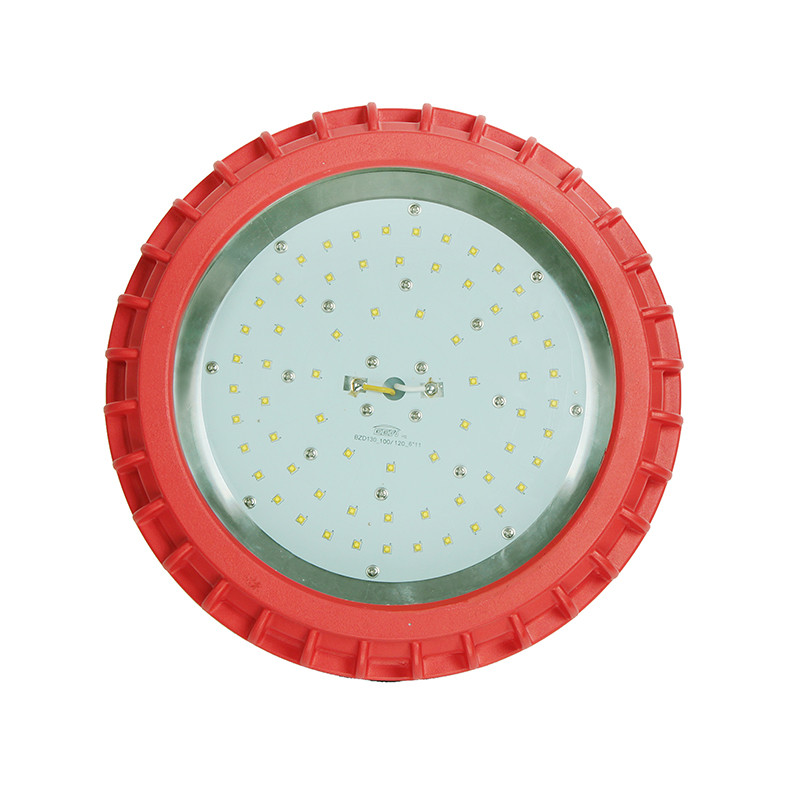
When you evaluate proposals, ask structured, non‑technical questions to surface differences. Examples:- Can you list included deliverables and exclusions in plain terms?- What are typical delivery milestones for similar projects?- Which support and training packages are offered for operations staff?- What information should our qualified engineer verify before acceptance?When comparing models or suppliers, request consistent documentation so you can compare apples to apples. If it helps stakeholders envision product categories, ask suppliers to show examples such as an explosion proof light fixture, and then let qualified engineers confirm fit for purpose as a separate step.
Synthesis and practical next steps
Start by mapping decision points, then turn them into clear, written questions for suppliers and for your engineering reviewers. Keep accountability visible and timelines explicit so replies are comparable. That approach brings clarity to procurement conversations and helps teams reach aligned choices, with companies like sunleem appearing as one of several documented vendor options to consider while you verify technical fit through qualified advisors.