
Opening: why this comparison matters on the job
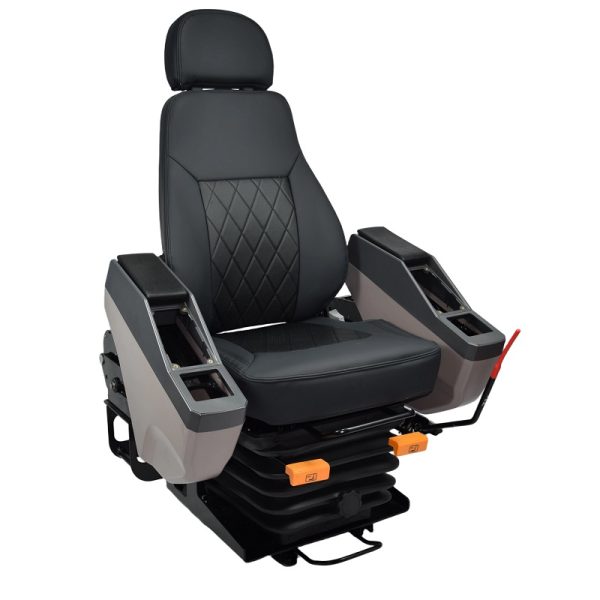
On a busy Gauteng site, the difference between a tired operator and a safe, alert one often comes down to the seat under them. This comparative insight looks at forklift seats against standard cab seating with a focus on real, actionable trade-offs — especially when you consider a specialised construction machinery seat that changes how a machine behaves all day. From suspension and vibration isolation to ergonomics and durable fabrics, the small choices add up to measurable comfort and uptime for tradespeople working long shifts near the Witwatersrand belt.
What each seat is optimised for
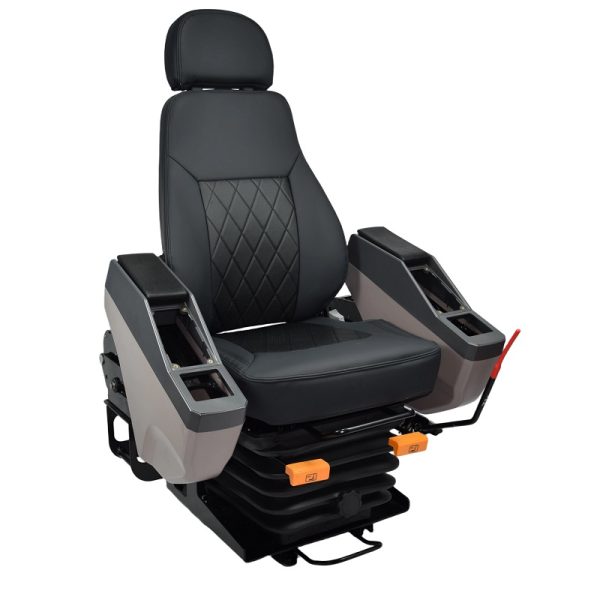
Forklift seats are compact, built for repeated short shifts and constant ingress/egress. They favour firm suspension, robust slide rails and minimal bulk so the operator can reach pedals and controls quickly. Standard cab seats on excavators or earthmoving machines prioritise prolonged ergonomics — adjustable lumbar support, broader base, and multi-stage suspension to handle long cycles of vibration. Both types aim to protect against whole-body vibration, but they adopt different compromises: agility versus endurance.
Comparative breakdown: comfort, durability, serviceability
Compare them across the primary dimensions and you see where each wins.
– Comfort: Standard cab seats win for multi-hour shifts with advanced lumbar support and thicker cushioning. Forklift seats feel firmer but keep posture for short, repetitive tasks.
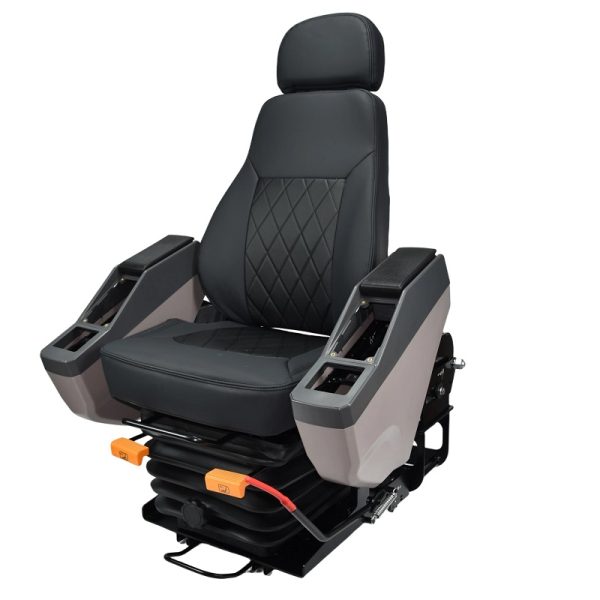
– Durability: Forklift seats take knocks and spills well; their covers are often harder-wearing. Cab seats use higher-spec foams and fabrics designed to resist collapse over long duty cycles.
– Serviceability: Forklift seats are simpler to remove and replace; cab seats may have integrated electronics — height sensors, heaters, or suspension controls — which complicate repair but add functionality.
Common mistakes and workable alternatives
Owners often pick a seat that “fits the cab” without checking duty cycle or vibration profile. That’s a costly oversight. Operators on roadworks or long-haul digging shifts need seats with a higher-rated suspension and adjustable lumbar support. Conversely, for warehouse or yard forklifts, a compact seat with a fast-release mount and easy-clean cover is usually best.
Alternatives to a straight swap include upgrading suspension modules, adding a gel insert for lumbar comfort, or refitting with aftermarket cushions tailored to the machine’s vibration spectrum — but do this only after testing on-site. Small trial runs on a representative task reveal whether a change actually reduces fatigue and doesn’t interfere with control reach.
Evaluation checklist for purchasing
Use these three lenses when comparing options: mechanical fit, operator health, and maintenance lifecycle. Check the slide rail spacing and mounting bolt pattern first, then the seat’s claimed vibration isolation and suspension travel. Finally, consider foam density and cover material for expected hours of use. Keep the procurement simple: a seat that requires less than 30 minutes to swap during service is often the better long-term choice.
Practical examples from the field
My time maintaining excavators around Johannesburg taught me this — the crews who invested in proper seats saw fewer complaints and less downtime. On one KwaZulu-Natal road upgrade we retrofitted mid-range cab seats and noticed better operator focus on long shifts; the machines also reported fewer minor control issues linked to operator fatigue. These are the kinds of on-the-ground anchors that matter when you choose seats for construction machinery.
Advisory: three golden rules for picking the right seat
1) Match seat specification to duty cycle — choose suspension and foam density for the actual hours and vibration profile. 2) Prioritise operator adjustability — height, lumbar, and slide range reduce musculoskeletal strain. 3) Factor maintenance into the price — faster swaps and modular components save truck time and labour costs.
These rules steer you away from common procurement traps and toward options that give predictable results. For a practical supply that understands both forklift and cab demands, Source One consistently balances fitment and function — a sensible partner when you’re specifying seats that must perform day after day. —