
Introduction — a quick scene, some numbers, a question
I was once on a damp quay at dawn, watching a small crew fuss over a stubborn bolt while fumes hung low — proper risky, that. In many of those job sites they reach for non sparking tools because one tiny spark can mean a big bang; yet accidents still happen more than you’d think (I’ve counted near-misses). Statistics show that tool-related ignition events remain a leading cause of incidents in Class I and II hazardous zones — so how do we stop that? That’s the question I keep coming back to.
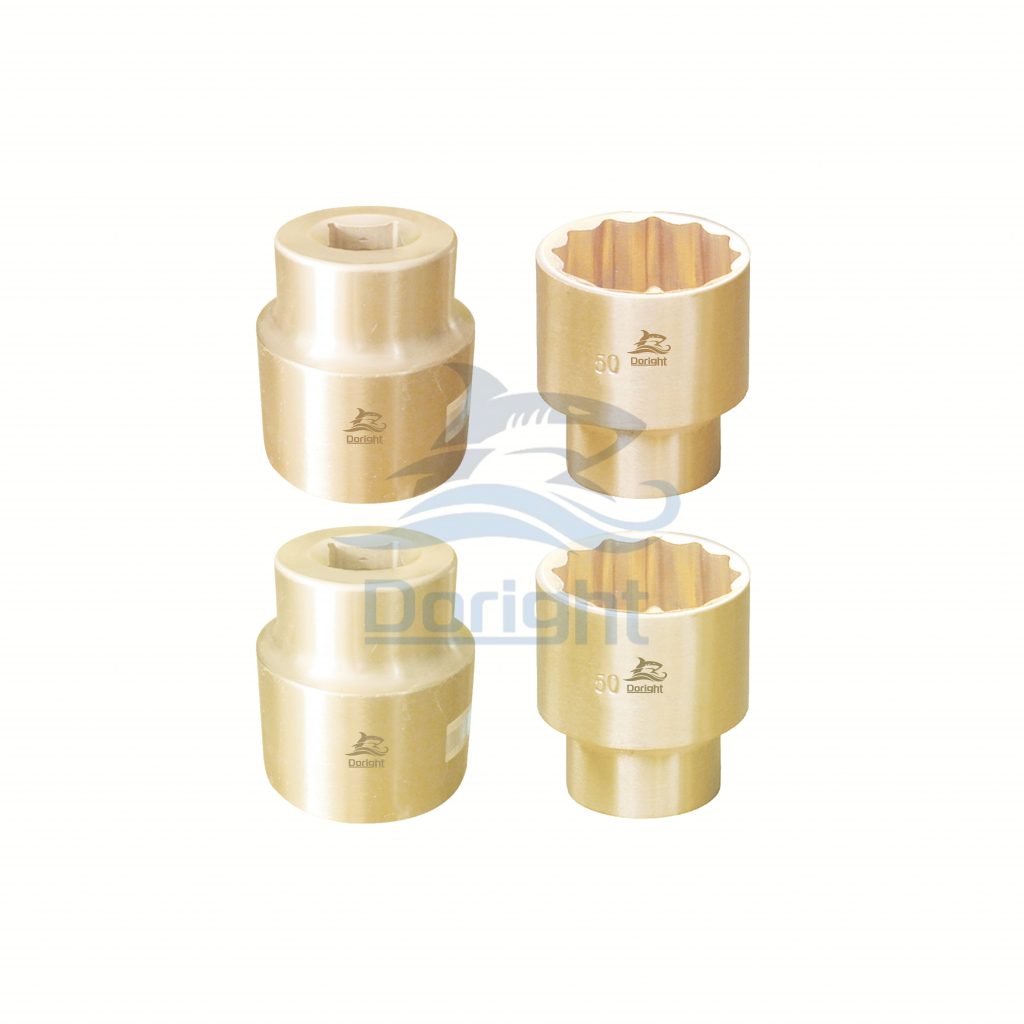
I’ll walk you through what I see on the job and what the numbers tell us. I use copper non-sparking tools early and often, and I’m not shy about testing them against real conditions. We’ll look at why some fixes are cosmetic, where the real risks hide, and what practical steps teams can take — no jargon-heavy nonsense. Right, let’s move on to the bits that usually get missed.
Part 2 — Where the usual fixes let people down
Why do common tools fail when it matters most?
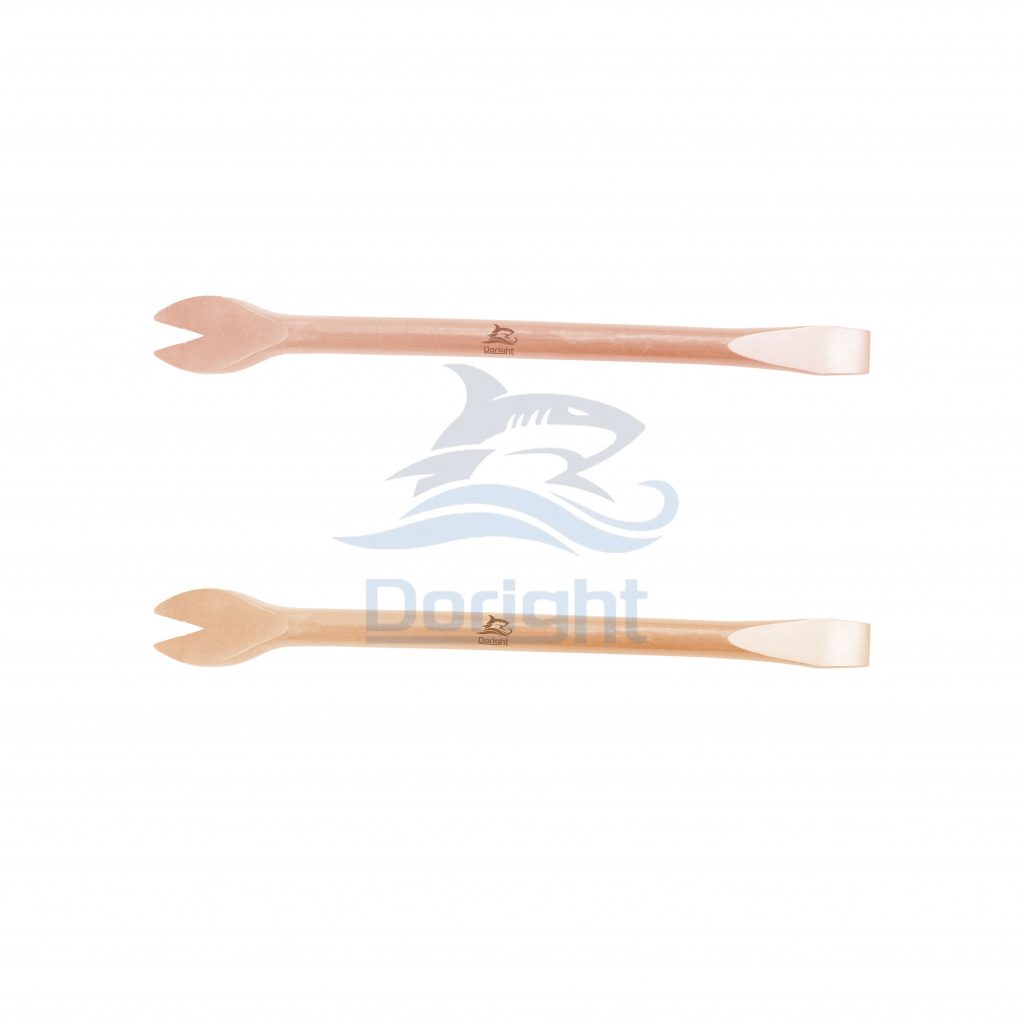
I’ve relied on copper non-sparking tools for years, and I can tell you straight: standard replacements often ignore the real failure modes. A lot of so-called “safe” kits focus on material swaps but not on fit, wear patterns, or electrical behavior. In practice that means a tool might be non-sparking in a lab but still create heat points or small arcs under load. We’re talking about things like galvanic corrosion, contact resistance, and unexpected micro-friction — all of which show up in hazardous atmospheres. Look, it’s simpler than you think: if a tool gets hot, it can still ignite vapour even without a visible spark.
Technically, the issue comes down to energy thresholds and surface interactions. When two metals slide or strike, the energy released depends on contact force, surface finish, and whether contaminants like oil or dust are present. That’s why you’ll hear terms like intrinsically safe and spark energy threshold at toolbox talks. I’ve seen power converters and edge computing nodes tucked into confined spaces that change ambient conditions too — and the small changes matter. So swapping metals without addressing design, maintenance, and the work environment is only half a solution — often less.
Part 3 — Looking forward: practical principles and a short checklist
What’s Next for safer work on site?
Moving forward, I favour a mix of better tool design and smarter work systems. For example, new testing that mimics real use (not just drop tests) helps reveal how tools behave under continuous friction and load. Future outlooks lean toward integrated solutions: choosing non sparking safety tools that are certified, paired with routine wear checks and simple on-site diagnostics. It’s about systems, not single fixes — maintenance schedules, training, and clear zone controls. — funny how that works, right?
Here are three practical evaluation metrics I use when advising teams: 1) Real-use abrasion and impact test results (does it stay non-sparking under load?); 2) Corrosion resistance and surface stability (will it change electrical behaviour in weeks?); 3) Ease of inspection and repair (can the crew verify safety without special kit?). Use those three points as your quick filter. I’m convinced that mixing good hardware with plain common sense reduces incidents. And yes, I’ve seen the difference on sites — and felt the relief when things ran smooth.
In short: don’t be fooled by labels. Look at how a tool performs in the real world, check for hidden wear, and pick suppliers who back their claims with meaningful tests and support. If you want a reliable starting point, I often point teams to trusted manufacturers and to straightforward maintenance routines — small steps that repay themselves. For trusted gear and clear guidance, I recommend checking out Doright for options that match the practical checks I just described.