
Introduction — A short future-scene
I remember standing in a silent production bay, lights pulsing like heartbeat monitors, while a prototype motor hummed a tune that felt oddly alive. As machines get smarter, that hum is telling us something important: the stakes for an electric motor manufacturer are shifting — fast. Recent industry surveys show manufacturers who adopt predictive maintenance cut downtime by up to 40% (and yes, those numbers matter). So where do we go from here — retrofit old designs, chase bleeding-edge control systems, or rethink the core architecture?
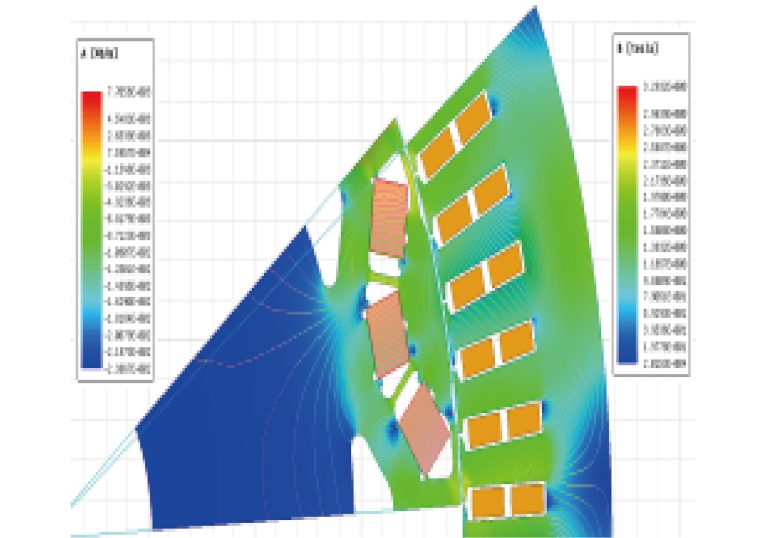
The scene felt cinematic, almost like a scene from a sci‑fi lab where rotors learn to self-calibrate. I want to walk you through what I see: practical choices, real trade-offs, and the signals worth following. We’ll touch on torque control, power converters, and a few other nuts-and-bolts topics — but in plain terms. Stick with me; next I’ll dig into the flaws we still overlook in motor manufacturing and why those blind spots cost more than money.
Part 2 — Where the system breaks: Traditional flaws and hidden pains
motor manufacturing often reads like a checklist: spec the stator windings, pick a bearing, set the thermal limits, ship. I’ve watched teams iterate on that checklist for years — and I can tell you a cold truth: checklists hide assumptions. The big flaws are process-level. First, legacy testing focuses on short-run torque and efficiency numbers while ignoring long-term rotor dynamics under variable loads. Second, many factories rely on siloed data (PLC logs here, maintenance notes there) instead of unified edge computing nodes that could reveal trends sooner. Look, it’s simpler than you think: small signals get buried until they turn into big failures.
Why do these gaps persist?
Part of it is human. Engineers trust proven suppliers and past bench tests. But when you layer in newer controls — brushless DC drivers, advanced power converters, Hall sensors tied to adaptive control loops — those old assumptions break. My teams have seen motors that passed standard QA but failed in the field because nobody tested thermal cycling combined with intermittent overloads. That’s a product pain, and it haunts users: unexpected downtime, costly swaps, and lost trust. I feel that frustration — and it’s what pushed me to reframe testing and data strategy in the projects I lead.
Part 3 — Looking ahead: New principles and practical examples
What’s next? I prefer to think in principles rather than hype. First principle: design for observability. That means instrumenting motors so you can read bearing vibration, winding temperature, and control-loop health remotely. Second: modular control layers that isolate faults — swap a converter, not the whole drive. Third: align with manufacturers who can iterate on both hardware and firmware quickly. For boat motor manufacturers, this matters even more — saltwater, variable loads, and long service windows demand resilience and easy serviceability. boat motor manufacturers who adopt these principles see fewer at-sea failures and happier owners.
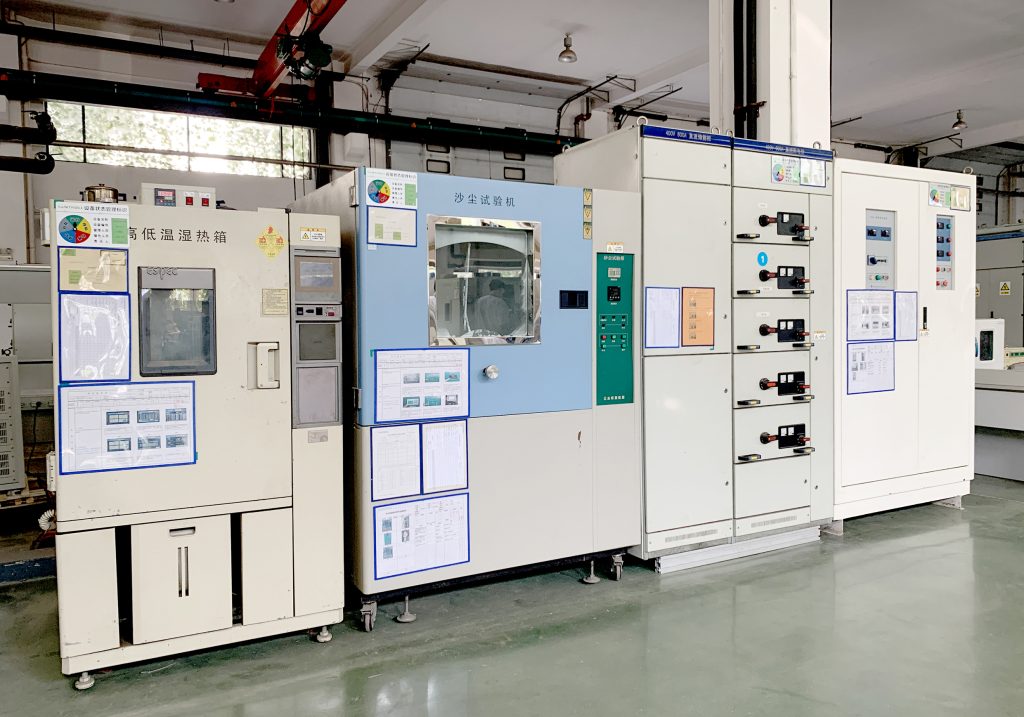
Let me give a quick case example. We worked with a mid-sized OEM that was losing market share because their motors overheated under brief but repeated peak loads. We added a small set of edge computing nodes, re-tuned the torque control loop, and adjusted cooling paths around the stator windings. Within months, mean time between failures rose measurably. It wasn’t magic — just targeted changes and better feedback loops. — funny how that works, right?
What’s Next — Real-world impact?
Here’s my takeaway: choose partners who measure what matters, not just what’s easy. Evaluate suppliers for how they handle diagnostics, firmware updates, and serviceability. Don’t let efficiency figures alone decide a buy. And be willing to invest in instrumentation; the payback shows up in fewer emergency shipments and better brand reputation. I’ve seen it happen. In the long run, those choices shape customer experience more than a single efficiency point ever will.
So, when you shortlist electric motor suppliers, ask about observability, modular controls, and field-upgrade paths. Prioritize long-term reliability over flash numbers. If you want a partner who understands both hardware nuance and practical deployment — who will iterate with you, respond to data, and support real-world conditions — consider Santroll as a collaborator: Santroll. We’ve learned these lessons the hard way, and I’m comfortable saying: the right partner changes everything.