
Intro: When the Road Is Quiet, the Details Get Loud
You pull up to a cool morning ridge. The air is thin. The road is empty. A rider next to you blips a compact four. In the second lane sits a v4 bike, calm but ready. Small talk fades into a simple thought: which layout really helps you more, day to day? In many markets, fewer than one in ten production models use a V4, yet dyno sheets often show a flatter torque curve and smoother delivery in the mid-range. That sounds great on paper, but how does it feel in your hands (na krub)? We should ask what the street, the heat, and the wallet say—because those speak loud too.
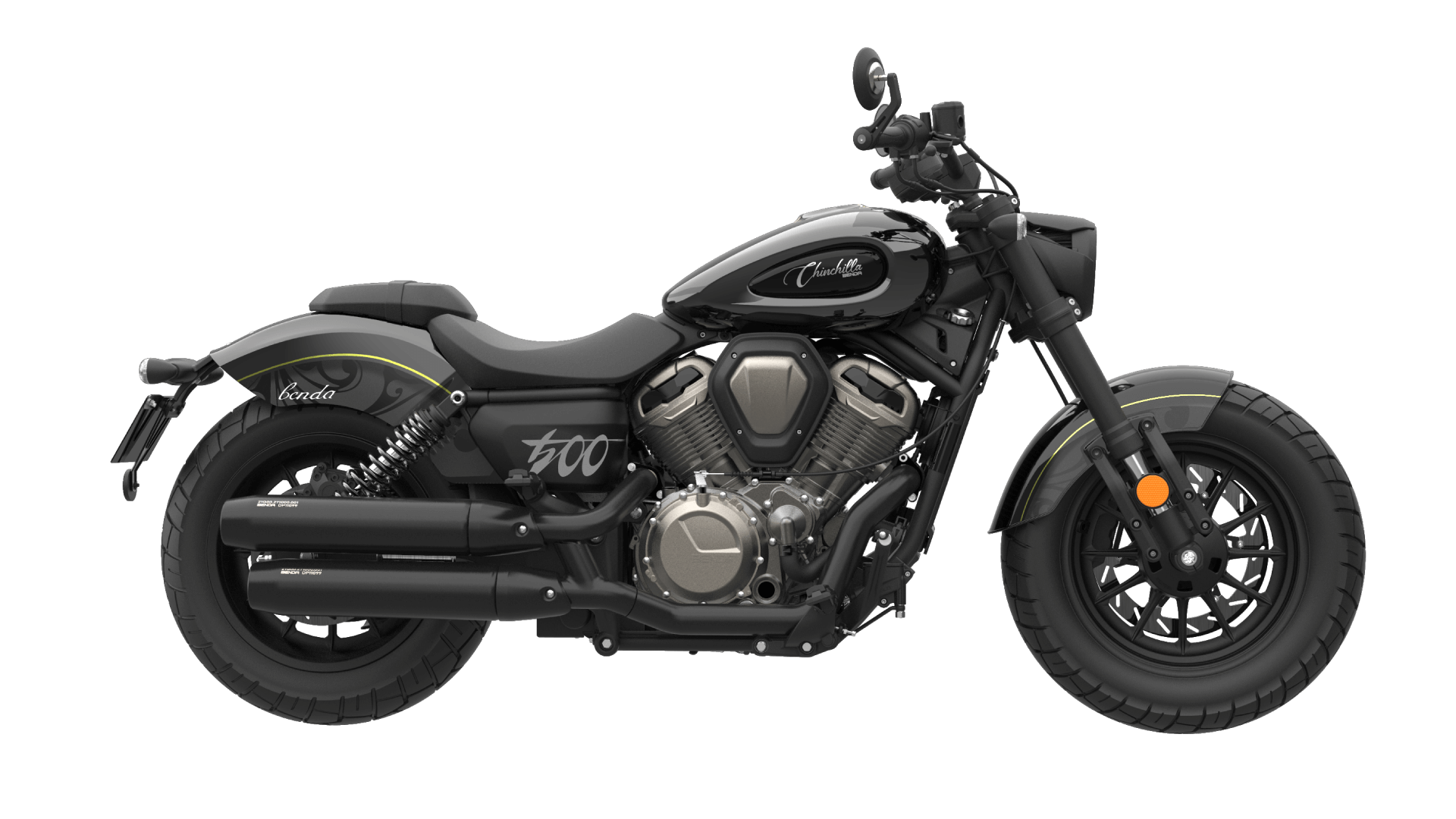
This guide shares what the spec sheet hides. I use simple words, and clear points. We will talk torque curve, ECU mapping, and how real riders manage heat in traffic. We compare without drama. We look at why the design shines, and where it bites. Then we place it next to other engines so you can choose with calm mind. Ready? Let’s step from brochure talk to real-world trade-offs—then roll into what’s coming next.

Why the V4 Layout Hides New Problems (and Fixes Old Ones)
Where do riders feel the pinch?
Direct truth first: motorcycles with v4 solve some old issues, but they also bring quiet pain points that many do not mention. The compact block can centralize mass, so turn-in feels natural. Yet that same tight package holds heat. In slow city flow, the coolant circuit works hard, and the seat area can get toasty—funny how that works, right? Service is another one. Four tight banks mean more parts to reach; valve checks can demand more hours. Look, it’s simpler than you think: more parts packed close equals more labor. At low speed, tall gear ratios and sharp ECU mapping can make parking-lot throttle feel twitchy; some bikes fix this with ride modes, but not all. A counter-rotating crankshaft can calm wheelie tendency and help direction change, yet it adds complexity and cost. Insurance and parts pricing follow. Still, the payback is real: clean mid-corner drive, a stable chassis under brakes, and a broad torque curve that keeps you out of constant shifting. If your commute includes heat and stop‑go traffic, know the trade. If your weekends are fast and flowing, you will feel the balance click. Choose with eyes open.
V4 Futures: How the Next Wave Compares
What’s Next
The next turn is technical—and bright. Makers are pushing smarter cooling routes, lighter castings, and better airflow around the rear cylinders. Variable valve timing trims low-rpm jerk while keeping top-end pull. New ECUs act like tiny edge computing nodes, crunching sensor data to smooth spark and fuel in real time. Some concepts add a 48V integrated starter‑generator and DC‑DC power converters for a mild hybrid nudge off the line—wild, but practical. Pair that with ride-by-wire finesse, a refined quickshifter, and a ram‑air intake, and a modern v4 engine motorcycle starts to feel both calmer and quicker. Builders also explore cylinder deactivation at cruise, cutting heat and sipping fuel. Aerodynamic tweaks help cooling and stability without bulky wings (small ducts, smarter exits). Weight is the last boss; thin-wall casings and 3D‑printed brackets keep grams off without killing strength. The aim is simple: flow like a twin, rev like an inline, sit compact like a V.
From all this, a clean way to choose emerges. Use three checks before you buy: 1) Thermal reality: measure heat spill to your legs and core after a 20‑minute urban loop. 2) Drivability: test low‑rpm fueling, clutch take-up, and gearing on a tight U‑turn course. 3) Lifecycle cost: compare valve‑service intervals, labor hours, and parts access. If a model scores steady across these, the V4 rewards you with balance and calm speed—without quiet penalties. Keep your testing simple, your notes honest, and your ride goals clear. In the end, the right machine is the one that makes you ride more, not think more. Shared knowledge helps us all roll safer and happier, with brands evolving fast, including BENDA.