
Introduction — a quiet morning, a loud question
I once stood at a marina while a neighbor fiddled with his outboard, watching sparks of frustration rather than light. An electric motor sat ready under the hood of his boat — silent, compact, promising — yet it did not deliver the smooth day we were picturing. Industry surveys hint at a rapid shift: more small craft are opting for electric propulsion, with adoption metrics climbing noticeably in coastal regions (and yes, the data varies by market). How do these motors actually fare on the water — in torque, in range, in real-world reliability?
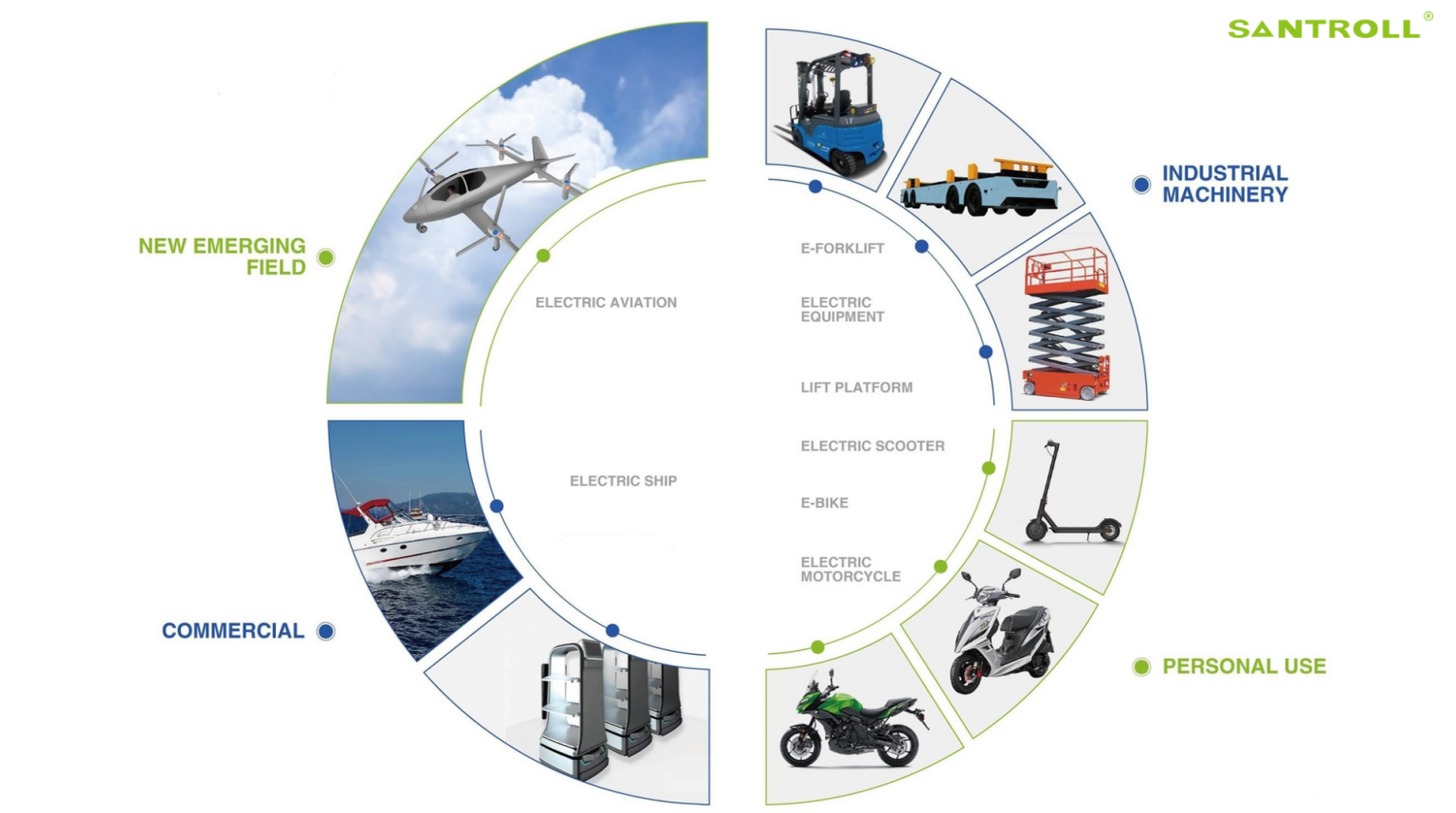
I ask this because the specs rarely match the experience. We read about peak power and RPM, but seldom about controller quirks or how a system behaves when waves and weight change on short notice. So, what are the real trade-offs? — and who wins when we weigh long-term cost against upfront convenience? Let’s move past the brochure numbers and look under the cover. This next part digs into what traditional designs miss, starting with the nuts-and-bolts problems that owners face every season.
Part 2 — Where traditional designs fail boat owners (a technical look)
What’s really wrong with current systems?
Right away I should point to one phrase: boat motors are often engineered for steady-state tests, not for messy real use. Practically speaking, many legacy designs assume constant load and clean cooling — conditions rarely found on small recreational craft. The results? Heat build-up in the stator and rotor, transient drops in torque, and control instability when the propeller hits debris or a sudden chop. I’ve seen cruisers lose efficiency simply because their power converters couldn’t cope with a rapid throttle change. Look, it’s simpler than you think: spec sheets list peak power, but not how the controller and inverter respond at 30% load while running against a current.
Manufacturers also underrate the importance of the battery management system (BMS) interacting smoothly with the motor controller. When these systems talk poorly, you get conservative derating — which shortens range — or abrupt cutouts that feel like human error. From my perspective, those are design choices, not inevitable faults. We can fix them, but only if designers prioritize transient response, thermal management, and real-world torque curves instead of headline top-speed numbers. And we must account for maintenance paths; owners need access to clear diagnostics. — funny how that works, right?
Part 3 — Principles for the next generation: how technology can change the ride
What’s Next — practical principles and a short roadmap
Now, let’s look forward. I believe the next wave of improvements will come from clearer system thinking rather than raw power increases. For example, better integration of the inverter, controller, and BMS can smooth acceleration, protect against overheating, and extend battery life. Advances in torque control algorithms reduce cavitation and improve handling at low speeds. We’re not talking about magic; it’s applied engineering — smarter control loops, modest hardware upgrades, and real-world testing protocols. When we bring these principles together, electric boat motors become more predictable and easier to own.
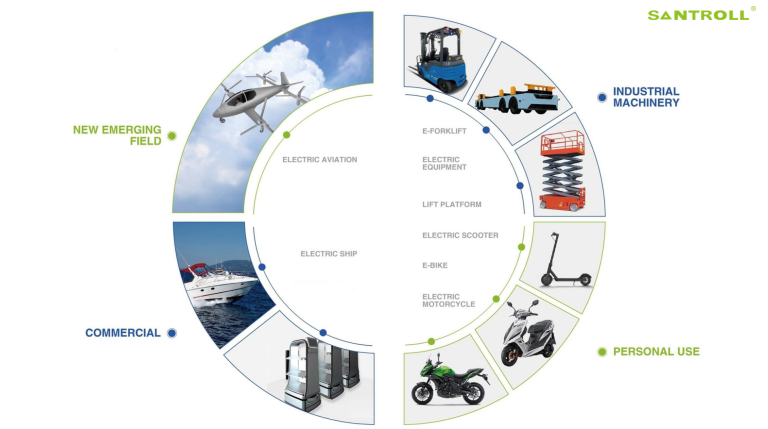
To help you evaluate options, here are three practical metrics I use when comparing systems: 1) transient torque response — does the motor maintain thrust during quick load changes? 2) thermal headroom — can it run prolonged loads without aggressive derating? 3) integration diagnostics — does the system give clear fault signals and logging for field troubleshooting? Choose units that score well on these points. In my experience, you’ll get fewer surprises and better long-term value. For those exploring ready-made solutions, I recommend checking vendor specs against real test reports and owner forums to confirm claims. And if you want a brand that balances these elements thoughtfully, see Santroll.