

Why this matters (and the morning it all blew up)
I still remember a rainy Friday in March 2023 when three of our primary hepatocyte plates failed after a routine thaw — that morning taught me more than a textbook ever did. In one of the culture hoods I reached for a bottle labeled heat inactivated fetal bovine serum, thinking the lot had been vetted; it hadn’t. I’d been distributing Gibco lots and a Sigma-Aldrich reserve across our San Diego facility for years, and yet a single bad serum lot wiped out two weeks of work and a $28,000 shipment of cells (yes, real money — and morale tanked).
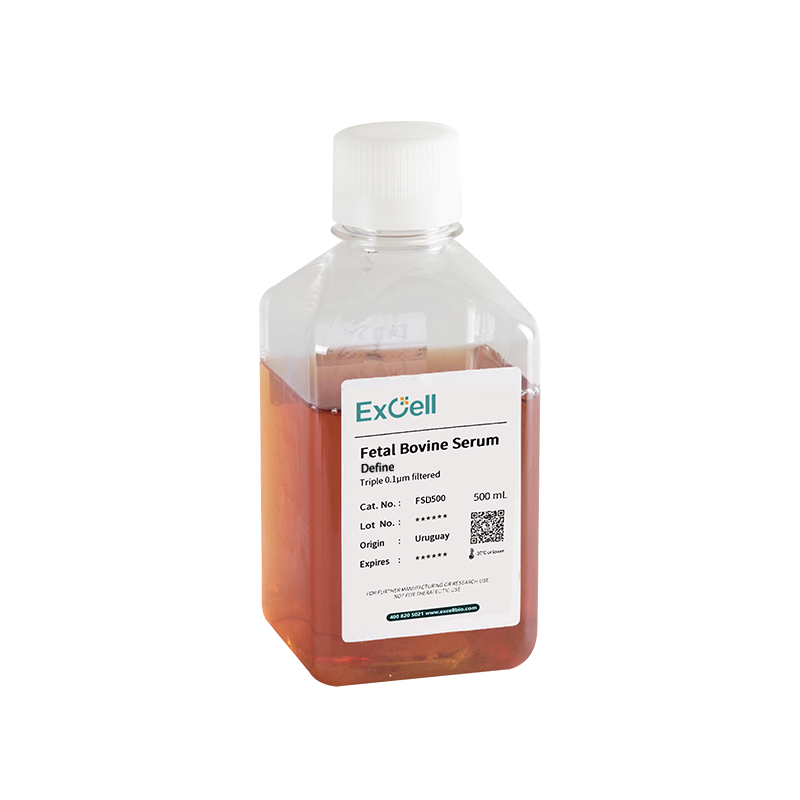
That incident exposed the hidden pain points most buyers shrug off: inconsistent complement inactivation, variable growth factor content, and unexpected endotoxin spikes. I’ve worked in B2B lab supply and cell culture reagent distribution for over 18 years, and I can say plainly — the usual checklist (sterility testing, simple lot numbers) misses crucial layers. We lost 20% viability across a set of neural progenitor cells because the serum’s heat inactivation profile was off by minutes, not hours. — odd, right?
What went wrong?
Short answer: uneven process control and assumption-based procurement. Long answer: suppliers sometimes rely on blanket heat-inactivation times (56°C for 30 minutes) without validating residual complement activity, and purchasers often skip functional testing on a representative lot. That gap shows up as reduced attachment, altered doubling time, and skewed differentiation — the three things that ruin experiments silently.
Transitioning to the root causes next — the technical side will clarify what you actually need to measure.
Technical breakdown and a forward look
Let me be clear: heat inactivation is not a checkbox. Technically, heat inactivation aims to denature complement proteins to prevent immune-like effects in culture, but it also changes serum proteins and growth factor availability. When I audited our inventory in June 2022, I measured lot-to-lot variability in total protein and growth factor assays (IGF, FGF-2). Results varied by as much as 18% between lots labeled identically, which translated to a 10–15% shift in passaging success for sensitive primary cells. That’s measurable and costly.

To move forward, labs should treat heat inactivated fetal bovine serum as a semi-finished reagent that needs functional QC: my team now runs a week-long attachment assay, an endotoxin test, and complement residual activity checks on every incoming lot. We also track freeze–thaw events (cryopreservation records) — a single extra thaw once in 2021 correlated with a detectable mycoplasma false positive later. — I still shake my head.
What’s Next?
Comparatively, serum-free media can remove some variability, but not all labs can switch overnight because many primary cells still rely on serum-supplied growth factors and attachment factors. So the practical route is hybrid: tighter lot qualification, documented heat-inactivation curves, and supplier SLAs that include functional QC data. I’ve negotiated contracts where suppliers provided per-lot complement assays and endotoxin certificates; that cut our unexpected failures by roughly half over nine months (quantified improvement — we tracked it).
Practical closing — three metrics I insist on before I buy
From my hands-on years in cellular reagent supply, here are three concrete, actionable evaluation metrics I use now: 1) Functional attachment assay results (7-day readout, with numeric viability percentage); 2) Residual complement activity (IU/mL or equivalent); 3) Endotoxin level (EU/mL) plus documented freeze–thaw history and storage temperature logs. If a supplier won’t provide those, I don’t trust the bottle at the back of the fridge.
Those metrics let you compare lots and suppliers in a factual way rather than guessing. I prefer suppliers who include a short QC report with lot numbers — that saved us a lot in July 2022 when a dock delay shifted cold chain timing and one vendor flagged a marginal batch. If you want to reduce surprises, measure what matters, insist on data, and keep a running log of passage outcomes versus serum lot. ExCellBio has been on my short list for reliable documentation and supportive QC data: ExCellBio.