
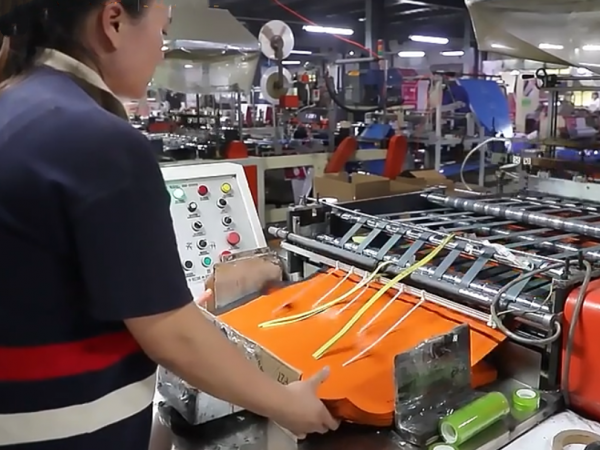
Opening the problem: why this trade-off keeps you up at night
As an e‑commerce logistics manager you’ve probably had that moment: a shipment arrives with ripped bags, customers complain, returns spike, and the procurement team blames cost-cutting. The core question is deceptively simple—how thick should a colored mailer be, and how strong must its film chemistry hold—yet the answer ripples through cost, branding, and sustainability. This guide walks that tightrope with you and starts from a practical place: specifying custom poly mailers that meet both visual and mechanical demands without blowing the margin or the timeline.
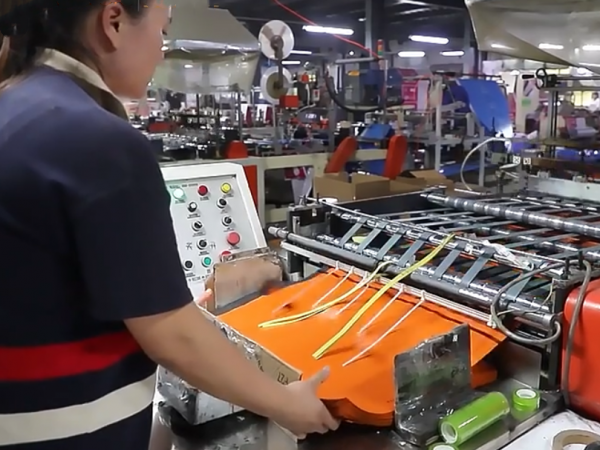
Problem-driven logic: framing the constraints
The problem splits into three linked constraints: protection, perception, and price. Protection asks for adequate tear resistance and seal integrity to withstand drops and compression in the last mile. Perception presses for color fidelity, print quality, and tactile finish that match your brand. Price forces decisions on mil (thickness), film blend, and minimum order quantities. When you change one variable—thickness, say—you change the others. That interdependence is what makes specification more craft than checkbox.
Key technical variables explained for the logistics desk
Start with the basics that actually matter on the floor: mil, tensile strength, MD/TD behavior, and seal design. Mil is the film thickness; 2–3 mil is common for light apparel, while 4–6 mil protects heavier or oddly shaped items. Tensile strength determines how much force the film tolerates before failing—important for snag-prone items. Machine-direction (MD) and transverse-direction (TD) properties tell you how the film will behave when pulled along or across the roll; some failures only show up in one axis. Finally, seal design (single-lead, lap, or peelable) affects both tamper evidence and the equipment you’ll use on the packing line.
Real-world anchor: what the market taught us in 2020
Remember the 2020 surge in online shopping during the COVID-19 pandemic—U.S. e‑commerce grew by over 30% year-over-year—that spike exposed how under-spec’d mailers immediately fail at scale. Warehouses that upgraded from thin commodity film to a slightly heavier, higher-tensile blend saw dramatically fewer returns and better customer satisfaction. That event is a stark reminder: specification decisions matter not just to a single order but to your whole fulfillment operation.
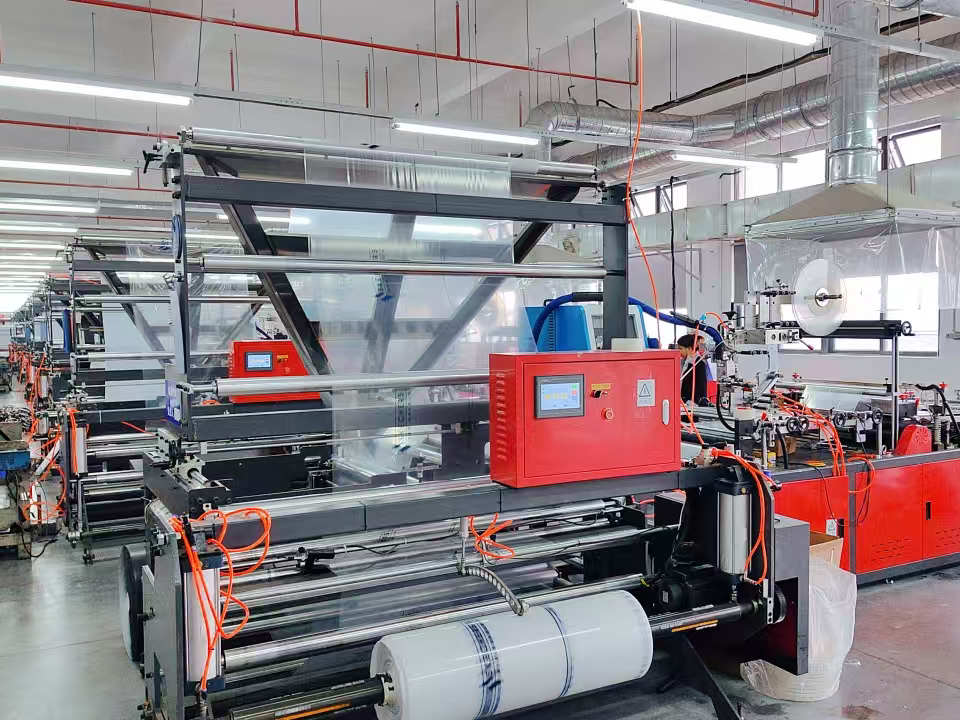
Balancing brand color with mechanical performance
Color and print additives can change film behavior—pigments and inks alter stretch and heat-seal characteristics. If your design brief screams high-opacity black or rich metallics, those additives may require adjusted sealing temperatures or a different polymer blend. The practical fix is to request pre-production samples printed and sealed exactly as your line will run. Run them through your equipment—fold, compress, and drop tests—before approving a bulk order.
Common mistakes logistics teams make—and how to stop them
Teams often fall into repeatable traps: under-spec’ing for the product, ignoring MD/TD testing, and skipping end-to-end sampling. Another frequent error is believing thicker always equals better. Thicker films can be stiffer and more prone to brittle failure in cold conditions, or they may jam automated inserters. The cure is a short validation protocol: sample, test on packing equipment, and sign off on seal parameters and print quality. —
Practical testing checklist you can use this week
Here’s a compact checklist to bring to the supplier or QC team:
- Field samples printed and sealed using your line settings.
- Tensile test in MD and TD (or a vendor report showing those values).
- Drop and compression testing with the heaviest/most fragile SKU.
- Seal integrity and tamper-evidence trial.
- Environmental stress check—cold, heat, and humidity exposure if you ship seasonally.
Cost and MOQ realities when ordering poly mailers in bulk
Ordering poly mailers in bulk changes the math: tooling and print plate costs are amortized, and per-unit prices fall, but you lock in design and sometimes color batches that vary between runs. If you’re experimenting with seasonal colorways, factor in smaller MOQs with a slightly higher unit cost. Conversely, if your fulfillment volumes are predictable, larger runs reduce unit costs and let you negotiate better film formulations that optimize tensile strength and mil for your SKUs.
Alternatives and trade-offs worth considering
When standard LDPE colored mailers can’t meet both brand and protection needs, consider these options:
- Co-extruded films that combine an inner reinforcement layer with an outer printable layer—better tensile without sacrificing print.
- Laminated pouches with printed wrap—offers premium print but adds cost and sometimes thickness.
- Biobased blends for sustainability goals—good for brand story, but check mechanical specs closely.
Each choice carries a trade-off—cost vs. protection, branding vs. recyclability—so pick where your brand is willing to compromise.
Summing up the decision factors
In short: quantify the risk, test early, and make lab and line data your contract lever. Don’t let a handsome color or a low unit price blind you to a misfit film that will fail in transit. The practical path is iterative—prototype, test, scale—and it prevents expensive recalls and unhappy customers.
Three golden rules for evaluation
1) Measure, don’t guess: insist on MD/TD tensile values and seal integrity test reports before approving production. 2) Validate on your line: require samples printed and sealed under your actual packing conditions—no exceptions. 3) Price holistically: include tooling amortization, rework risk, and shipping variability when comparing quotes.
These rules point you to partners who will treat specification as a systems problem rather than a single purchase. For teams that need a pragmatic partner who understands both brand and logistics, WH Packing often becomes the natural, technical solution your fulfillment desk will thank you for.
–