
Opening — what this means for you
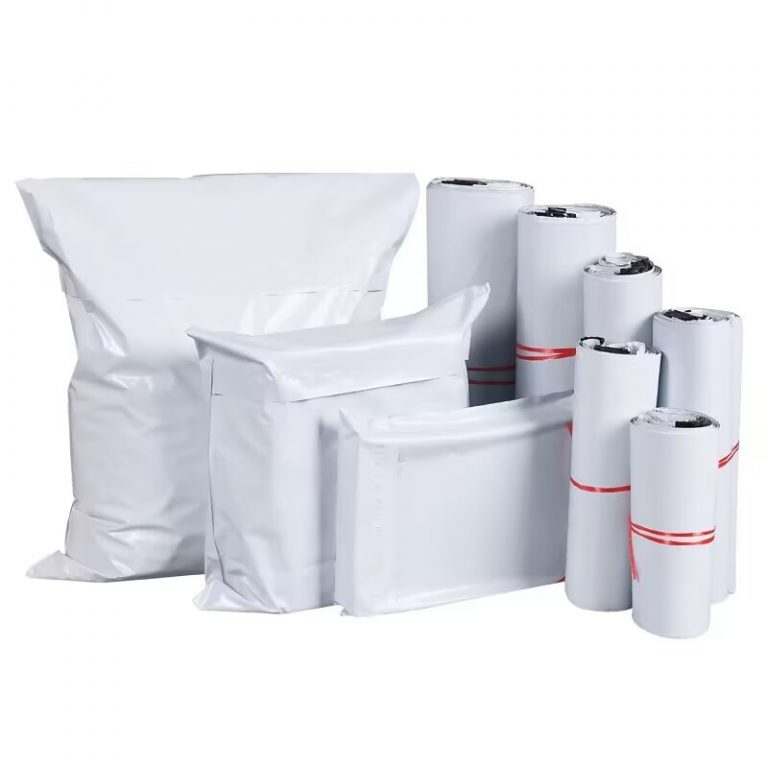
You sell online, your customers expect convenience and conscience, and you’re wondering how packaging choices actually affect brand loyalty and costs. This guide is written for that moment — practical, user-focused, and curious about trade-offs. If you’re evaluating options, start by checking samples of white poly mailers to see weight, opacity, and closure performance first-hand. Small tests answer big questions fast: will the mailer protect the item, work on your automated sealing line, and read as “eco” to your buyer?

What users care about — three clear priorities
Most founders and packaging managers care about protection, perception, and cost — in that order. Protection covers tear resistance and moisture barrier; perception is the visible signal of sustainability; cost includes unit price and long-term savings from reduced returns. For many brands, the visible attributes of a white mailer — opacity, print quality, and seam finish — are the primary way customers judge eco-claims.
Biodegradable versus 100% recyclable: a practical breakdown
Terms get tossed around, but they’re not interchangeable. Biodegradable films are designed to break down under industrial composting conditions; recyclable mailers are meant to re-enter the mechanical recycling stream. Each has pros and cons for your supply chain.
- Biodegradable: good for compostable programs and green marketing, but needs the right waste infrastructure to work. If your customers don’t have access to industrial composting, claims can fall flat.
- Recyclable (PCR-compatible): fits existing recycling systems where facilities accept thin-film plastics — but contamination and local sorting rules vary widely.
Industry terms to note: LDPE is commonly used for flexible mailers; post-consumer recycled (PCR) content boosts circularity and credibility. Consider which aligns with your distribution footprint.
Real-world anchor: lessons from recent shifts
During the COVID-19 e-commerce surge, brands rapidly upscaled packaging and many faced backlash for single-use waste. The European Commission’s 2021 Single-Use Plastics efforts and subsequent market responses show a clear trend: regulators and consumers increasingly reward demonstrable circularity. That’s not just policy talk — it changed procurement priorities in logistics hubs from Rotterdam to Los Angeles.
How to test mailers like a user-focused brand
Testing is where decisions get smart. Don’t rely on glossy specs — run these simple trials:
- Drop test: simulate courier handling with a filled package.
- Sealing test: verify adhesive performance on your sealing equipment.
- Print/readability: confirm brand artwork and barcode scan reliability.
Also trial customer perception: include a short post-delivery survey asking if the packaging felt premium, sustainable, or wasteful. These signals matter for repeat purchase.
Common mistakes brands make — and how to avoid them
Brands often assume a few things that backfire:
- Assuming “biodegradable” equals easy disposal. Without industrial composting infrastructure, biodegradable mailers may still end up in landfill.
- Skipping barcode and finish checks — small surface finishes can cause scanning issues on returns.
- Ignoring closure design: a weak adhesive or poor fold can lead to re-ships.
One practical fix: request first-article samples with your actual SKU and run them through your fulfillment line — it reveals problems fast. —
Supplier checklist for user-focused selection
When you talk with vendors, ask for clear answers on these items. They’ll tell you who understands real-world needs versus who’s selling good marketing copy.
- Material composition (LDPE vs blended films, PCR percentage).
- End-of-life instructions and supporting evidence (certifications or lab tests).
- Compatibility with automated sealing and printing lines — request a video of similar runs if possible.
- Minimum order quantities and lead times; know how they handle surges.
Comparing white poly mailers and white courier bags
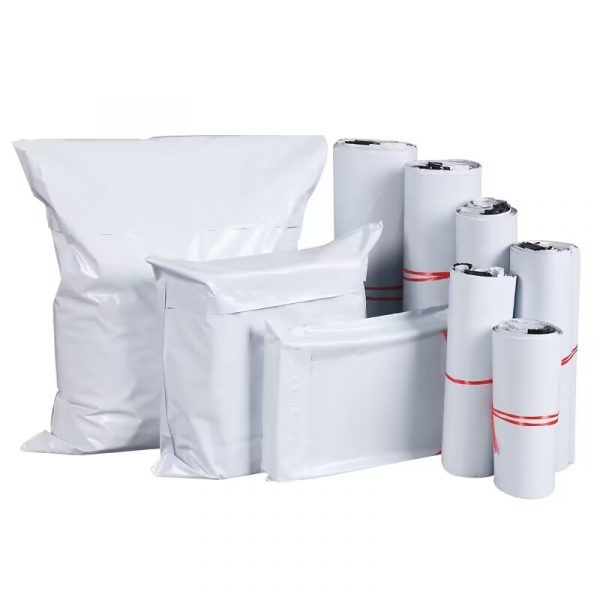
White mailers are lightweight, printable, and great for soft goods. White courier bags tend to be larger and may offer heavier-duty closures or gussets for bulkier shipments. Choose mailers for low-weight, high-volume sells; choose courier bags when you need extra protection or larger capacities. Both should be evaluated for tear strength and moisture barrier performance — and for recyclability in your primary markets.
Common alternatives and where they fit
If fully compostable or 100% recyclable flexible options aren’t feasible yet, consider hybrid strategies:
- Use PCR-containing films now while piloting compostable options with a subset of customers.
- Adopt poly mailers with a clear recycler-facing label to reduce contamination.
- Offer a returns packaging program — customers send used mailers back on their next shipment for reprocessing.
Three golden rules — advisory close
1) Verify end-of-life claims locally: check municipal acceptance for thin-film plastics or industrial composting availability before you commit to messaging. 2) Test at scale: run at least one week of full-volume packing and returns to catch adhesive, barcode, and sealing issues. 3) Measure impact beyond unit cost: include return rates, customer satisfaction, and disposal accuracy when comparing suppliers.
For brands that want packaging that performs and proves its circular intent, partnering with supply specialists who can provide clear sample data and pilot support is key — and that’s exactly where a reliable partner like WH Packing becomes practical, not promotional. —