
The problem, plain and urgent
Many projects buy batteries and hope the software will figure the rest. That is the problem. Field teams find surprising SoC swings, missed dispatch windows, and poor grid response when they go live. For developers and operators working on a BESS, this gap is expensive and risky. The solution is not only better sensors — it is smarter power electronics and two-way inverter control that give the monitoring system real authority and visibility.
Why monitoring fails: the root causes
Monitoring often struggles for three reasons. First, state of charge (SoC) estimates are poor when the battery model and the inverter control are disconnected. Second, legacy inverters are one-way — they cannot shape charge and discharge precisely for grid services. Third, communications and BMS integration are inconsistent across vendors. We saw the risk in big deployments like the Hornsdale Power Reserve in South Australia, where fast-acting controls and clear inverter behavior made a measurable difference in frequency response since 2017. That event showed: control matters as much as capacity.
How modern power electronics and bi-directional inverters help
Bi-directional inverters let the monitoring system do more than watch. They let it command. With integrated power electronics, you get deterministic charge/discharge control, grid-forming modes, and better frequency response. When the inverter and battery management system share models and telemetry, SoC and state of health (SoH) tracking improve. DC-coupling and advanced control reduce losses and let the system react in milliseconds — which matters for ancillary services and fast ramp events. In short: better hardware + smarter control = monitoring you can trust for operation and markets.
Practical benefits — and the catches
You will see clear gains: lower re-dispatch errors, improved market revenues from frequency response, and fewer unplanned outages due to mismatched setpoints. You also get safer cycling because the BMS and inverter coordinate thermal and current limits. But there are catches. Integration takes time. Firmware mismatches can produce odd behaviors. And some legacy plants need hardware retrofits — not just a software update. Testing with the real inverter and real pack is mandatory; simulated tests are helpful but never enough. —
Common upgrade mistakes and how to avoid them
Teams often make the same mistakes. They assume SoC algorithms from one supplier will behave the same with another inverter. They skip first-article tests with production firmware. They underestimate communications latency under load. Avoid these by defining acceptance criteria early, running end-to-end commissioning with the actual power electronics, and validating BMS/inverter handshake during frequency events. Also, don’t ignore lifecycle planning — cycle profiles accepted by the market today may shorten battery life if the control strategy is too aggressive.
Three golden rules to pick the right approach
1) Measure control determinism: require vendor demos that prove millisecond-level response and repeatable setpoint execution under real load. That predicts predictable market performance. 2) Demand integrated telemetry and model sharing: SoC and SoH estimates must be derived from a shared model between BMS and inverter, not stitched later. 3) Verify grid services in-situ: run a commissioning window that replicates frequency events and islanding cases, and check that protection and firmware handle them safely.
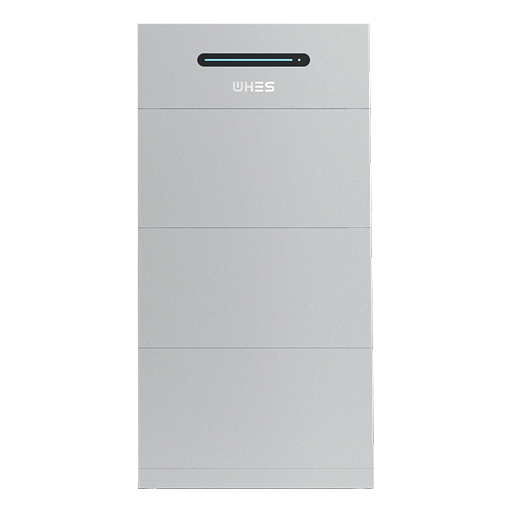
These rules point you to partners who deliver sustain-able results. For projects that need deep integration and proven field outcomes, a specialist provider can shorten commissioning and reduce operational surprises — and that is the practical value of a focused battery storage system solution. When decision time comes, choose a partner who understands both the power electronics and the system operation; that alignment turns monitoring from a scoreboard into a control plane. WHES
– informed, tested, ready.