
Opening the framework — why structure matters now
Deploying utility-scale battery capacity without a repeatable playbook is risky — and we can do better. This framework lays out clear layers for integrating custom battery arrays into existing SCADA and Demand Response environments, so projects move from pilot to reliable operation without constant firefighting. When you start with carefully specified control objectives and a tested communications stack, your solar battery storage assets stop being experimental and start delivering predictable grid value.
Core principles that guide every integration
Adopt these non-negotiables: define measurable use cases (capacity firming, frequency response, peak shaving), separate operational layers (real-time control vs. market-facing dispatch), and insist on deterministic communications. These principles force clarity about what the system must do under both normal and emergency conditions — which is how you avoid scope creep and vendor finger-pointing later.
Step 1 — Set objectives and KPIs
Begin by mapping the outcomes you need: energy capacity, response time, cycle life impact, revenue streams from demand response, or grid services. Turn each outcome into a KPI (e.g., 2-second ramp to AGC setpoint, 95% availability during DR events). If you don’t quantify success, you’ll fight about it during commissioning.
Step 2 — Architect communications and control
Choose protocols and architectures up front: ensure SCADA compatibility, define how demand response signals are ingested, and decide where the power conversion system (PCS) performs local control versus centralized dispatch. Open protocols (e.g., DNP3, IEC 61850) reduce one-off engineering, and a well-documented API for market signals prevents surprises at go-live.
Step 3 — Specify hardware and site integration
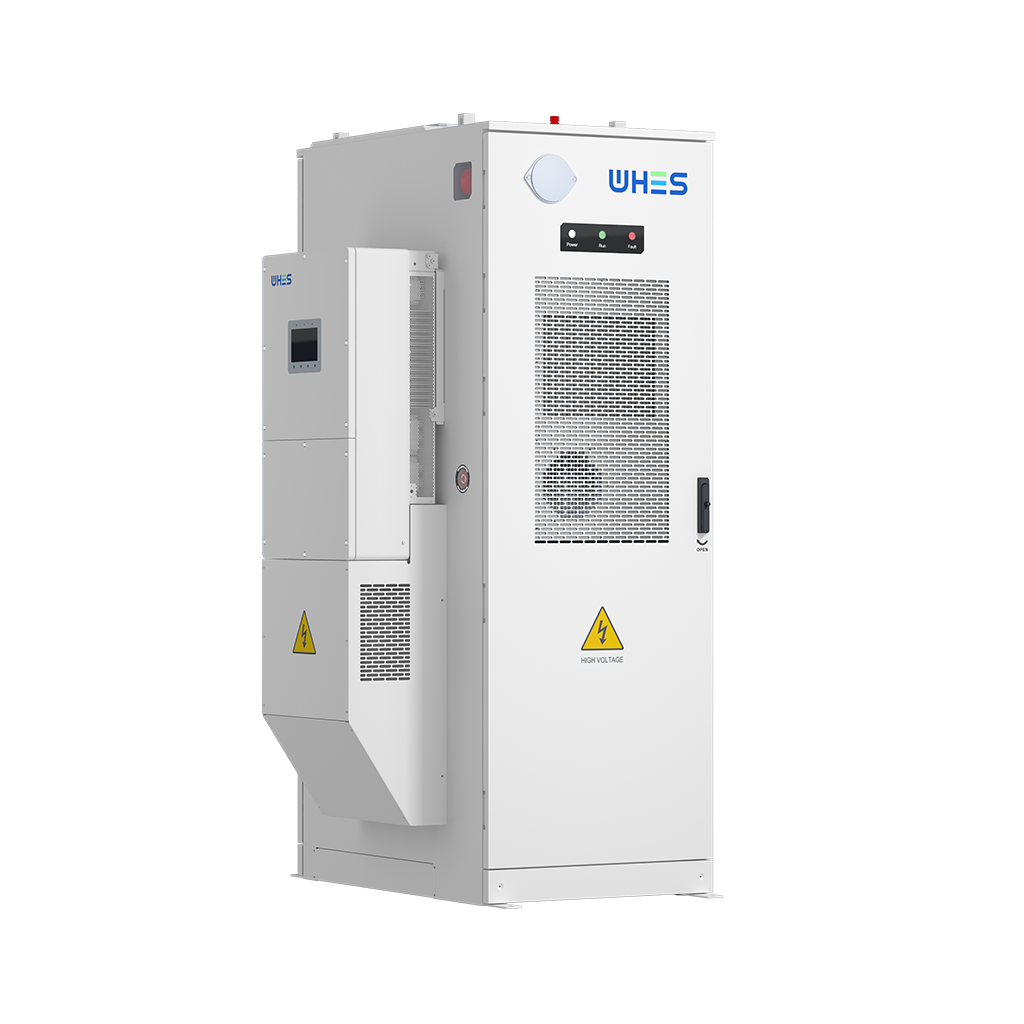
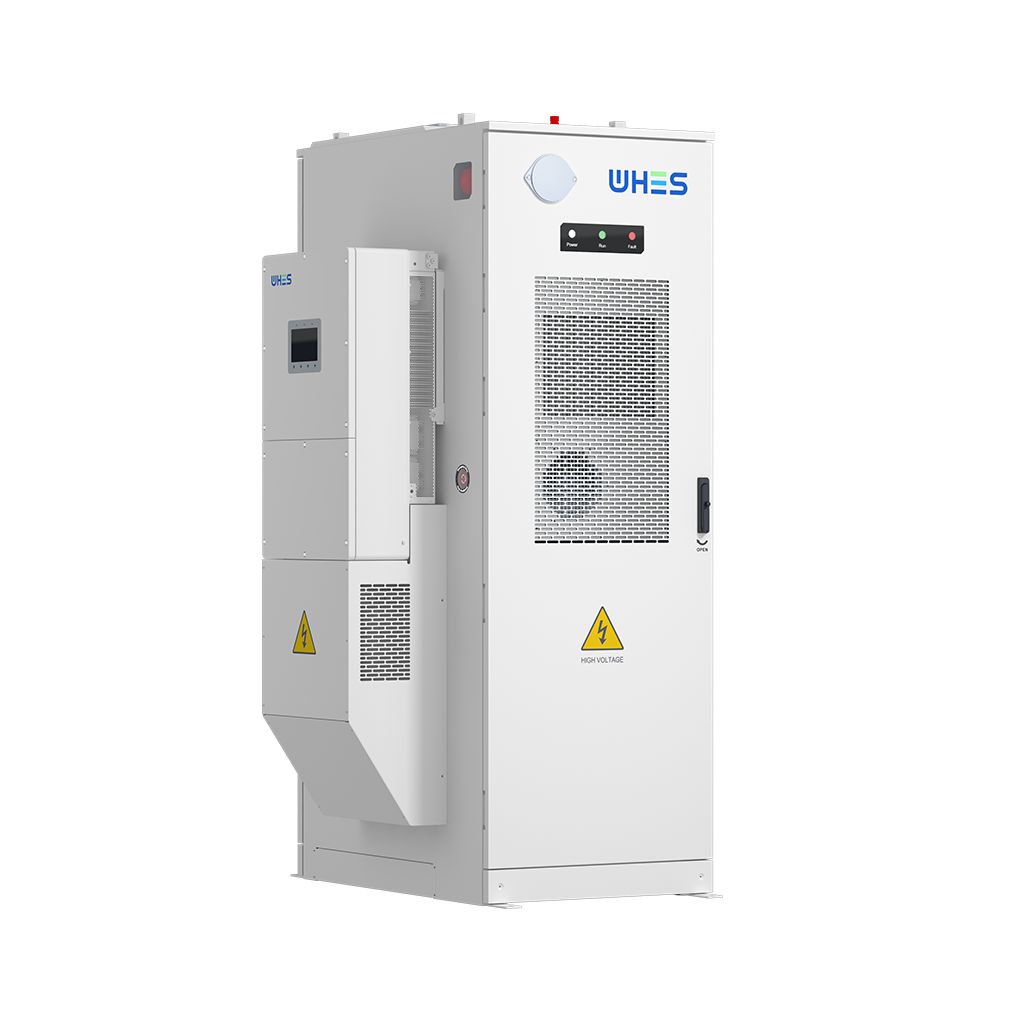
Hardware choices must reflect operational demands. Battery chemistry, inverter/PCS selection, thermal management, and BESS layout affect dispatchability and safety. Think beyond nameplate: tether protection systems, telemetry redundancy, and emergency islanding provisions for microgrids are essential if you expect the array to support critical loads or participate in islanded operations.
Step 4 — Control logic and cybersecurity
Define control logic for normal dispatch, fault behavior, and DR events. Build in anti-islanding checks and fail-safe states. At the same time, secure your network: segregate operational technology traffic, use authenticated endpoints, and require role-based access for SCADA commands. Cyber hygiene isn’t optional — it’s how you keep the asset available when the grid needs it most.

Step 5 — Test, iterate, commission
Simulate DR events, failure modes, and communications loss scenarios before commissioning. Laboratory emulation of market signals and a staged integration into the live SCADA will reveal mismatches early. Run a lean set of acceptance tests tied to your KPIs and require final sign-off on those metrics — otherwise credit and revenue will be disputed later.
Real-world anchor: why this matters
Look at California’s grid evolution: after multiple wildfire-driven Public Safety Power Shutoffs, utilities and CAISO leaned on battery systems to provide backup capacity and fast ramps for renewables. Projects that had pre-defined DR workflows and SCADA tie-ins moved from pilot to revenue far faster than those that tried to bolt integrations together on the fly — a reminder that design discipline matters in practice.
Common mistakes teams make — and quick fixes
Teams often: under-spec telemetry bandwidth, assume protocol parity between vendors, or skip realistic acceptance tests. The fixes are straightforward: allocate 10–15% of the project schedule for integration tests, demand protocol-level documentation from vendors, and verify performance with live market signals. — It’s tedious work, but it stops repeated truck rolls and contract disputes.
Alternatives, trade-offs, and off-grid considerations
Centralized grid-tied solutions maximize revenue stacking with demand response and market services. Distributed microgrids and remote assets prioritize resilience — and for those, consider certified off-grid capabilities. If your project supports remote communities or critical infrastructure, an off grid battery storage system variant with hardened islanding and simplified local controls may be the wiser choice despite a higher upfront cost.
Implementation checklist — what to lock down in contracts
Include clear acceptance criteria tied to KPIs, defined firmware/version controls, precise protocol support, telemetry SLAs, and scheduled update procedures. Specify roles for SCADA ownership, DR signal handling, and emergency response. Contracts without those items leave too much to interpretation — and that costs time and money.
Advisory — three golden rules for evaluation
1) Measure what matters: demand proven track records for the specific KPIs you set (response time, uptime during DR events, cycle degradation). 2) Require integration-first vendors: prioritize suppliers who treat SCADA, PCS, and communications as a single system engineering deliverable. 3) Score total lifecycle cost: include maintenance, firmware updates, and the cost of missed revenue during outages when comparing options.
These rules let you choose partners who deliver both grid value and operational certainty. For many utility-scale projects, modular, integration-minded systems reduce schedule risk and simplify ongoing ops — and that’s exactly the value offered by experienced providers like WHES. —
Decisive action wins—