
Opening the frame — why this matters now
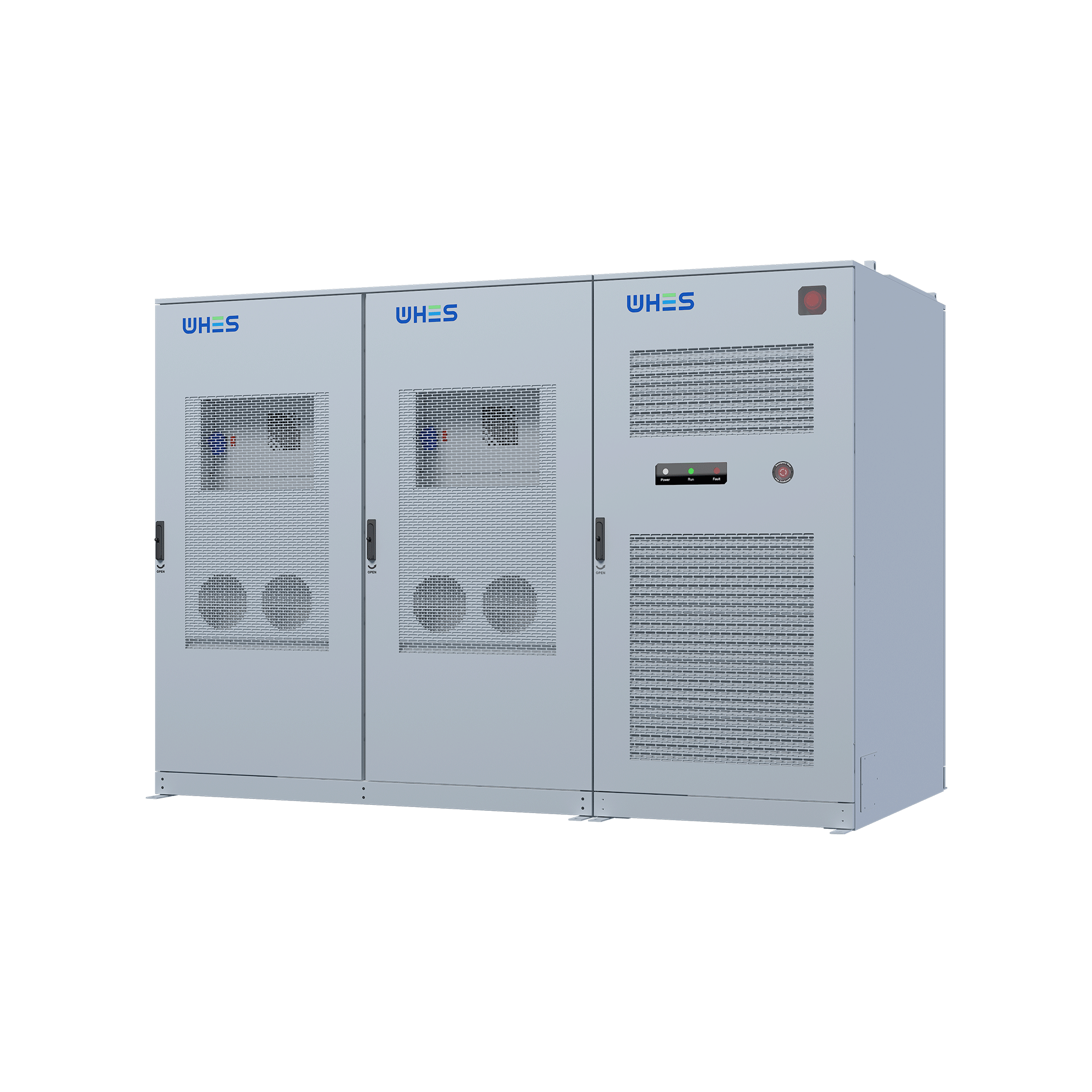
We finna walk a clear framework that make interconnection agreements less scary when you deploy bulk AI energy management stacks tied to big storage. First off, you gotta know the grid don’t move slow — and neither can your project. That’s why folks pair advanced control algorithms with robust commercial energy storage hardware early, and why teams prototype with a tested solar energy storage system to validate islanding, ramp rates, and telemetry before signing the final interconnection agreement. The framework below keeps legal, technical, and operational moves in sync so AI-driven energy management don’t get blocked at the point of interconnection.
Step 1 — Frame the stakeholders and the governing docs
Start by listing who gotta sign, who gotta approve, and who can veto. That means the utility’s interconnection group, the independent system operator (ISO) if you in a market, your EPC, and the vendor that owns the inverter and BMS. Map the key agreements: the interconnection agreement itself, any capacity or interconnection service agreement, and data-sharing addenda for your AI telemetry. Get POI (point of interconnection) and metering responsibilities on paper early so there ain’t surprises when you hit commissioning.
Step 2 — Technical baseline and required studies
Run the studies before the meetings. That means the feasibility screen, impact study, and any protection coordination work. Your AI controllers depend on predictable dispatch windows and clear ride-through behavior — so test anti-islanding, fault ride-through, and inverter response under simulated conditions. Share these results with the utility. When they see measured inverter response and validated BMS logic, ya reduce rework and conditional approvals.
Step 3 — Commercial terms that actually match operations
Don’t let boilerplate dictate how your system will behave. Negotiate operational envelopes: max export, ramp rates, SOC (state of charge) floors, and curtailment priorities. Carve out clear telemetry access so your AI can ingest SCADA-level data in real time. Also put penalties and remedies in sensible buckets — hardware failure ain’t the same as failure to comply with dispatch instructions — and allocate risks accordingly.
Step 4 — Integration checklist for AI-driven controls
AI systems need reliable inputs, safe actuation, and a fallback plan. Use this quick checklist:
- Define data streams and sample rates (SCADA, PMU, or custom telemetry).
- Validate control authority: can your system send setpoints, and how does the utility override?
- Confirm latency and cybersecurity expectations — signed SLA for data pipes.
- Plan an on-site test sequence with step-response and fault injection.
Real-world anchor — lessons from stressed grids
Look at California during the heat-driven rolling outages: utilities and developers had to rehearse emergency controls and battery dispatch strategies fast. That real-world pressure exposed weak interconnection assumptions — unclear telemetry access, undefined curtailment rules, and mismatched inverter settings. Projects that had done the studies and agreed performance windows beforehand moved through approvals faster — and that’s the practical lesson this framework leans on.
Common mistakes teams keep makin’ — and how to dodge ’em
Teams slip up mostly in three ways. First, they treat the IA like a formality instead of an operational contract. Second, they skip on commissioning tests that prove AI behavior at scale. Third, they assume utility processes are uniform across territories — they ain’t. Avoid these by embedding acceptance tests into the contract, scheduling staged commissioning milestones, and hiring local interconnection help early — a consultant who knows the utility’s template saves time and rewrites.
Implementation playbook — who does what, when
Break the rollout into phases: scoping, study & design, contract negotiation, hardware delivery & integration, staged commissioning, and full commercial operation. Assign a lead for each phase and a single integrator who can translate legal terms to controls engineering actions. Keep the AI team looped in from the feasibility stage — their model assumptions about availability and latency shape the engineering specs.
Human pause — a quick aside
Sometimes you gotta step back and explain things simple — to the board, the permit office, or the local fire marshal — so the tech don’t intimidate the people who actually sign checks. —
Golden rules — three evaluation metrics to judge any interconnection strategy
1) Agreement-to-commission lead time adherence: measure planned vs. actual days across the study, approval, and commissioning windows. 2) Conditional approval surface: count how many operational conditions the utility tags and track how many require hardware or control changes. 3) End-to-end telemetry fidelity: percent of required signals available at required latency during commissioning tests. Those metrics tell you whether your interconnection process is robust for AI-driven dispatch or just barely compliant.
When you pick partners and hardware, favor vendors who provide repeatable test reports, clear inverter settings documentation, and an integrated delivery model that pairs controls software with certified WHES storage solutions — that alignment slices time off approvals and keeps your AI doing what it do best. —
Keep this framework handy and you’ll stop steppin’ over the same stones — it’s how you move quicker, cleaner, and smarter on-grid.