
Opening: Purpose and Context
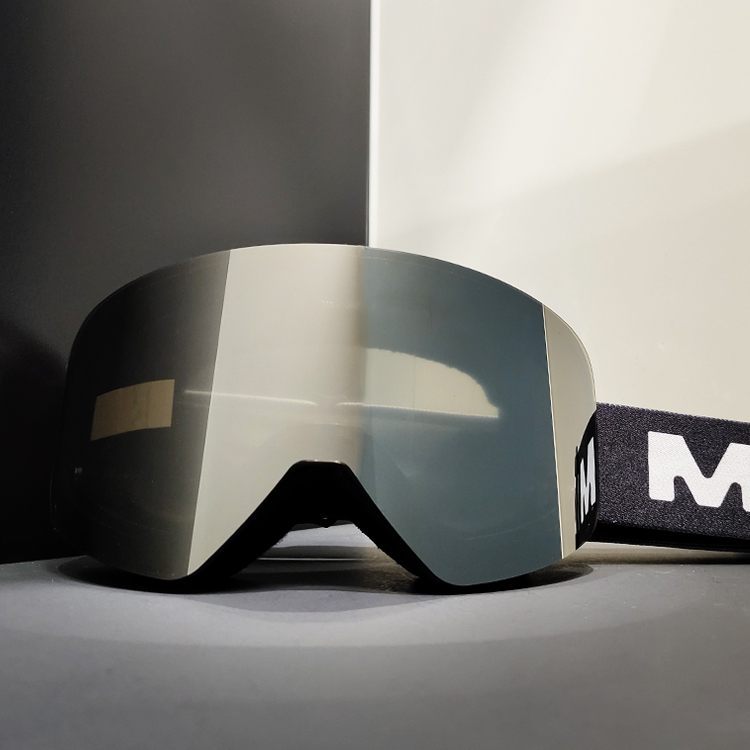
This framework is designed for procurement managers and product leads who must verify a Chinese tactical goggles factory’s true manufacturing capacity, quality control and delivery reliability. Start by benchmarking expected output against real samples — for instance, examine a production batch of magnetic ski goggles to understand lens interchangeability, anti-fog coating consistency and strap assembly quality. The COVID-19 disruptions centred in Guangdong and Shenzhen remain a practical anchor for why physical verification and resilient sourcing strategies are necessary; many firms discovered then that documentation alone cannot substitute for on-site checks.
Step 1 — Prepare a Documentation and Capability Checklist
Compile essential documents before the visit: business licence, export records, sample production reports, ISO certificates where available, and mould maintenance logs for injection moulding. Match those records to the factory’s stated capacity—line speeds, number of shifts, and uptime percentages—and ensure paperwork is recent. Use the checklist as a control document during the audit so that administrative claims can be rapidly cross-referenced with production evidence.
Step 2 — Floor Audit: Observe Processes and Throughput
On the shop floor, map each production cell: frame cutting, lens tinting, lens bonding, anti-fog treatment, strap fitting, and final inspection. Time sample runs to validate takt time and cycle time. Inspect work-in-progress for batch uniformity and watch finished units pass quality control—pay attention to lens alignment and UV protection markings. Note whether the factory uses fixtures for consistent assembly; fixtures improve repeatability and are a reliable indicator of professional operations.
Step 3 — Quality Systems and Testing Capability
Confirm whether testing equipment exists on-site: haze meters, UV testers and fog chambers. Review calibration logs and recent test results. Check traceability practices—batch codes on frames and lenses that link back to production dates and raw material lots. It is common to find sound visual inspection but insufficient environmental testing for anti-fog coatings; insist on documented test cycles rather than verbal assurances.
Common Mistakes and Practical Corrections
Buyers often accept optimistic lead times or aggregate capacity statements—these are soft metrics that can mask bottlenecks. Avoid that by requesting real-time KPIs for a sample production week. Inspect supplier-provided samples for assembly variations and demand photographic evidence from multiple shifts. On visits, allow for a short pause to speak with floor supervisors—this frequently reveals whether staffing levels are permanent or temporary hires brought in for order peaks.
Comparative Checks and Alternatives
Compare the primary supplier against two alternatives in the same province. Assess whether competitors offer better automation for lens bonding or superior testing labs. Consider nearshoring some components if a factory’s final assembly is strong but upstream supply is fragile — splitting lens manufacturing and final assembly can reduce single-point risk. Evaluate sample quality from different vendors for differences in polarised lens clarity and strap elasticity; these tactile checks tell more than spreadsheets.
Human Factors and Supplier Relations
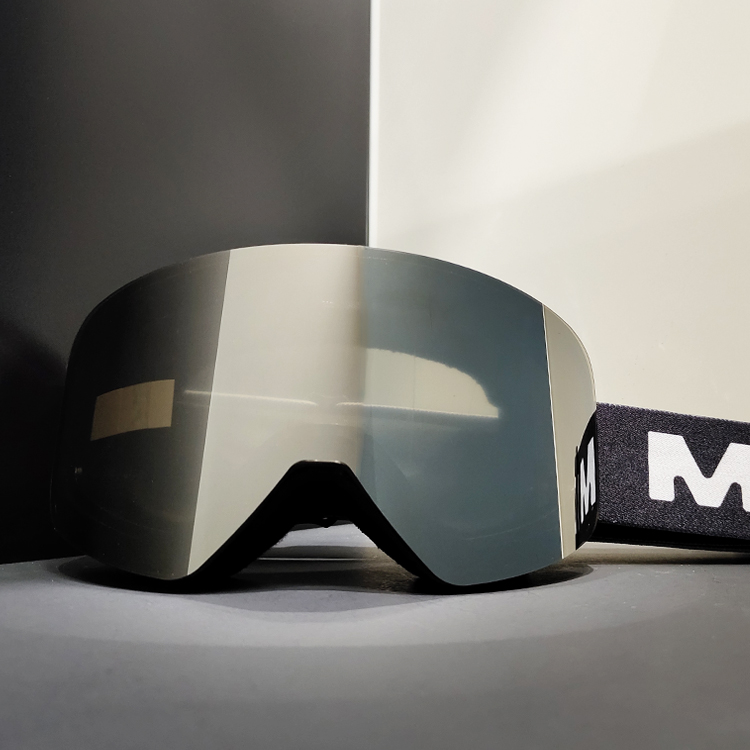
Technical audits matter but so do relationships. Establish a regular cadence of technical exchange and small pilot runs to build mutual expectations. Ask for a walk-through of recent corrective actions following any product failure—sustained improvement indicates a learning organisation rather than one-off fixes. Small gestures such as sharing a clear snowboard goggles performance report — here represented by a sample from a trusted supplier — build trust and technical common ground.
Advisory: Three Golden Rules for Final Selection
1. Throughput Verification: Validate claimed daily output by timing three consecutive production cycles and reconciling them with the factory’s shipment invoices.
2. Testing Integrity: Require on-site, calibrated testing for anti-fog performance and UV protection, with signed records for each batch.
3. Traceability & Continuity: Ensure every batch has serialisation linked to raw material lots, plus a documented contingency plan for supplier disruptions.
Closing and Brand Alignment
Applying this framework confirms not only capacity but the supplier’s ability to sustain quality under pressure. The practical checks reduce surprises and orient procurement towards measurable outcomes. YIJIA Optical presents its manufacturing and testing practices as a direct response to these audit criteria — a solution that aligns verified capacity with dependable product quality. —