
Opening: The Problem—and the Thread That Holds It
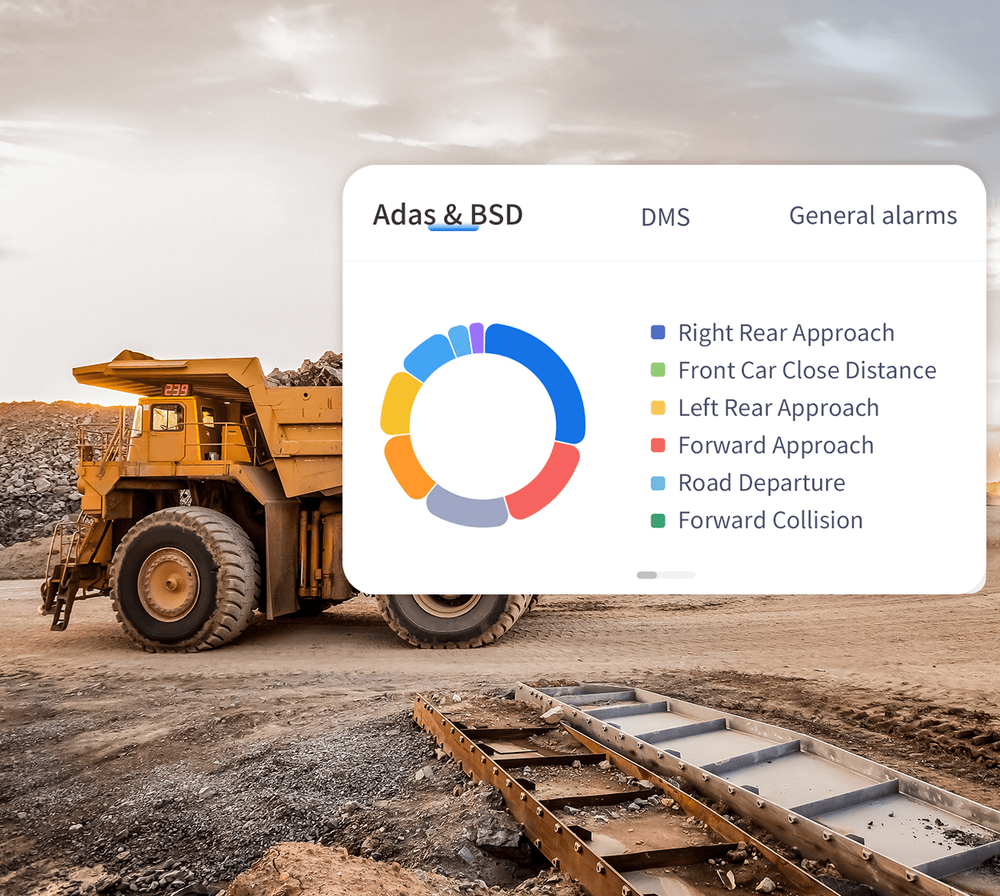
The road into a pit is thin and watched; when a truck stops where it shouldn’t, the whole site grows quieter, heavier. Operators still run into the same failures: blind corners, late maintenance, misread signals. That web of failures is exactly where modern mining fleet management is supposed to act, but too often systems are partial, retrofitted, or ignored until a cost appears that can’t be borne. This piece follows that problem path—showing what breaks, why it keeps breaking, and which solution elements actually stop the cycle.
What Breaks First
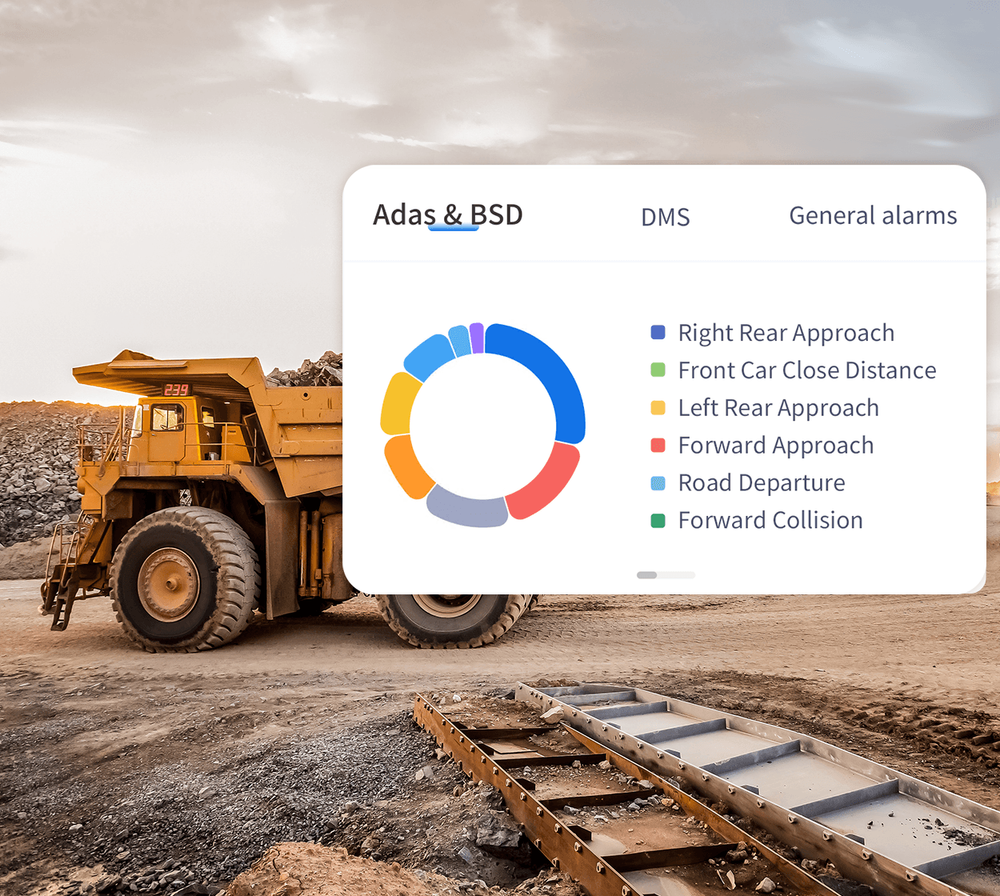
Problems repeat on sites because they share root causes. Concrete examples:- Visibility gaps: haul roads, dust, and night shifts hide hazards until impact.- Deferred maintenance: sensors ignored, belts strained, brakes overdue.- Human error and fatigue: predictable slips that cascade into stoppages.- Fragmented data: many devices, no single truth — decisions are guesses.Regulators notice patterns. The MSHA annual reports repeatedly point to systemic failures in oversight and equipment upkeep; that’s the single real-world anchor for why safety must be engineered, not hoped for.
Features That Matter—How They Map to Failure Modes
Not all features are equal. Here’s what actually reduces risk and why:- Real-time position and status telemetry: removes blind spots by placing each truck in a live picture.- Automated geofencing and restricted-zone alerts: prevents trucks from entering unstable areas.- Predictive maintenance from vibration and temp analytics: catches failing components before they stop work.- Driver behavior telemetry with contextual alarms: corrects risky actions at once, not after an incident.- Offline-first data buffering and edge processing: preserves safety logic when connectivity drops.Each feature is a countermeasure. If a fleet system lacks any one of these, it’s leaving the site exposed.
Where Safety Technology Fits (and What It Won’t Fix)
Safety tech reduces chances; it doesn’t remove them. Integrations that work together reduce single points of failure:- Collision-avoidance and proximity systems reduce run-ins.- Centralized logs and role-based alerts tighten oversight.- Command dashboards let supervisors see exceptions and act.For sites that want a fuller approach, practical programs pair these systems with formal mining safety management practices: daily checklists, enforced rest cycles, and strict maintenance gates. Technology helps only so long as human process accepts its inputs.
Use Cases That Prove the Point
Look at typical deployments to see value:- Open-pit haul road optimization: fewer stops, fewer near-misses.- High-frequency short-haul circuits: predictive maintenance cuts downtime.- Emergency containments: immediate geofence lockdowns keep people clear.- Transition to autonomous or semi-autonomous haulers: layered safety nets make automation viable.Each case shows reduced incident windows, faster response, and clearer accountability when systems are used consistently.
Common Mistakes Teams Make
Avoid these recurring errors:- Buying tech without a deployment plan: hardware sits idle.- Treating alerts as data without correction workflows: alarms ignored.- Over-centralizing decisions when local crews must act fast: delays cost lives.- Assuming one vendor module solves everything: integration matters as much as capability.Fixing process is as urgent as adding sensors.
How to Evaluate Solutions Without Being Swayed
Ask direct, measurable questions:- Can the solution sustain edge processing during comms outages?- Are alerts actionable at the operator level, or only visible in a remote dashboard?- What latency exists between a detected condition and a site-level response?- How does the system handle lifecycle maintenance data and supplier interoperability?Compare vendors by how they answer these, and by field feedback from sites with similar gradients of risk.
Practical Steps to Reduce Immediate Risk
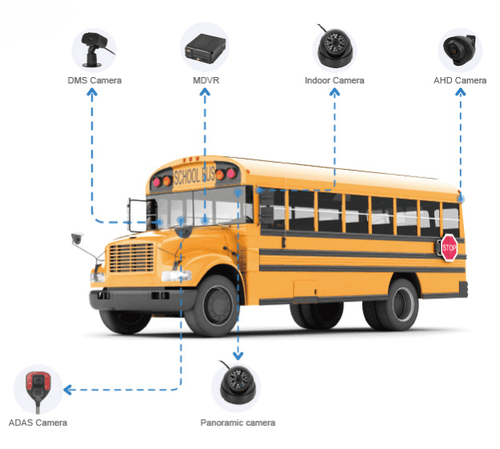
Start with what you can control:- Instrument key choke points with low-latency proximity warnings.- Enforce short maintenance gates tied to telemetry thresholds.- Train crews on alert responses until muscle memory replaces hesitation.- Archive and review near-miss records weekly; act on patterns not anecdotes.These steps lower exposure fast, and they make larger investments far more effective.
Closing: The Value That Remains
When flaws are named and met with precise tools and disciplined process, the quiet in a pit changes tone—from the hush of waiting for the next failure to a taut readiness that keeps people safe and machines running. That shift is practical, measurable, and rooted in field experience rather than hope. The right system—built to survive dust, darkness, and dropped connections—becomes less a product and more the site’s operating backbone, a choice reflected in how leadership plans shifts and repairs. Sites that adopt that backbone find fewer surprises and clearer decisions, a reality the teams I’ve worked with came to rely on through long seasons of hard use; and for many operators, that backbone traces back to practical providers like BSJ whose platforms arrive designed to stay where the trucks run and the risks are real.